



In a matter of days, Indonesia has once again been rocked by a series of major incidents that have captured public attention. These include fatal road accidents and train collisions that claimed numerous lives, and massive fires that crippled warehouses, ships, and industrial facilities worth billions of rupiah. These events demonstrate that risks can strike at any time—whether in the transportation, logistics, manufacturing, or day-to-day business operations.
Behind every tragedy, there are important lessons about workplace safety, risk management, emergency preparedness, and financial protection. Here’s a summary.7 recent shocking accident incidents in Indonesia, complete with risk analysis and the type of insurance protection that should be had so that the impact of the loss does not get bigger.
Fertilizer Truck Collides with Motorcycle in Pangkalpinang! Family of 3 Killed, Driver Suspected of Running a Red Light Breaks Leg
A tragic accident rocked Pangkalpinang City after a truck loaded with fertilizer collided with a motorbike carrying three passengers at the Air Itam red light intersection, in the governor’s office area, Tuesday (28/4/2026).
The fatal incident killed three people, two adults and a toddler. The truck driver suffered a broken leg and was immediately rushed to the hospital for medical treatment.
According to initial information, the truck was traveling from Ketapang towards the governor’s office area. At the same time, a motorcycle was approaching from Air Itam, heading towards the city center. The violent collision was unavoidable, causing the truck to drag the motorcycle, then hit a billboard and overturned on the road.
The victim was trapped under the truck and the spilled fertilizer, leading to a dramatic rescue operation with the help of local residents. Police suspect the accident was caused by one of the vehicles running a red light, causing the truck driver to lose control. The case is currently under further investigation.
News source: https://babel.inews.id/berita/detik-detik-kecelakaan-truk-pupuk-tabrak-motor-di-pangkalpinang-3-orang-tewas-tertindih
Risk Accident Review
This accident highlights the high risk at intersections involving heavy vehicles and vulnerable road users such as motorcycles. The alleged traffic light violation indicates that human error remains a dominant factor in fatal accidents. Heavy trucks have longer braking distances and are at greater risk of rolling over during sudden maneuvers. Furthermore, carrying more than one passenger, including toddlers, on motorcycles increases the fatality rate in collisions. This incident underscores the importance of traffic discipline, intersection supervision, speed management, and safety education for all road users.
Types of Insurance Needed
- Commercial Vehicle Insurance
Protect trucks from damage due to traffic accidents. - Third Party Liability Insurance
Cover legal claims or compensation for third party victims. - Personal Accident Insurance
Provides compensation for death or permanent disability due to accidents. - Health Insurance
Covers the cost of treatment for drivers who suffer broken legs or are injured. - Marine Cargo / Inland Transit Insurance
Protecting fertilizer cargo during the land distribution process.
This incident serves as a reminder that a minor violation at an intersection can lead to a major tragedy in a matter of seconds. As insurance brokers and consultants, it’s crucial to ensure that fleets have comprehensive coverage and that drivers strictly adhere to safety standards.
A shipping warehouse in Depok catches fire. A mysterious explosion is heard, suspected to have been caused by a short circuit. Losses reach Rp200 million.
A major fire engulfed a warehouse belonging to a shipping company in the Depok area from Sunday evening (April 26, 2026) to early Monday morning (April 27, 2026). The incident occurred on Jalan Proklamasi, Abadijaya Village, Sukmajaya District, and caused material losses estimated at Rp200 million.
The fire was first reported by local residents at 10:10 PM WIB. Firefighters arrived on the scene just five minutes after receiving the report. Twelve fire trucks, ambulances, and 17 personnel were deployed to control the blaze, which covered approximately 500 square meters of warehouse space.
After battling for about two hours, the fire was finally extinguished around 12:15 a.m. WIB. However, several items inside the warehouse were burned. During the extinguishing process, explosions were heard, suspected to have come from fireworks.
The exact cause of the fire is still under investigation, but initial suspicions point to an electrical short circuit in the outdoor warehouse area.
Risk Accident Review
This incident demonstrates the high risk of fire in logistics facilities that store various types of goods in one area without adequate segregation. The suspected electrical short circuit underscores the importance of regular electrical installation inspections, especially in 24-hour warehouses. The explosion indicates the possibility of storing hazardous or explosive goods without special controls. The warehouse’s size and density accelerated the spread of the fire and made extinguishing it difficult. Without early detection systems, automatic sprinklers, and goods classification procedures, asset losses could have increased dramatically. This incidentconfirmthe importance of fire safety management, housekeeping, and business continuity planning in the modern shipping and warehousing industry.
Types of Insurance Needed
- Property Insurance (Property All Risk)
Protecting warehouse buildings from the risk of fire, explosion and other damage. - Stock Insurance
Guaranteeing company-owned goods and customer deposits stored in the warehouse. - Business Interruption Insurance
Covering losses due to disruption of distribution operations after the incident. - Public Liability Insurance
Anticipate claims from third parties or local residents affected by the incident.
This incident serves as a reminder that logistics warehouses are exposed to high risks, especially when storing diverse goods without adequate protection systems. As insurance brokers and consultants, it’s crucial to ensure comprehensive risk mitigation and comprehensive insurance coverage to protect your business in the event of an unforeseen incident.
PT SAS Kreasindo’s production warehouse in Tegal catches fire, suspected to be caused by a machine fault. Losses reach Rp15 billion.
A major fire broke out in the machining area or production room belonging to PT SAS Kreasindo Utama located in Maribaya Village, Kramat District, Tegal Regency on Sunday night (26/4/2026).
The incident was first discovered around 8:30 PM WIB when a fire alarm sounded in the production area. Security guards on duty immediately checked and discovered a fire burning in one of the production machines.
Initial extinguishing efforts using fire extinguishers were made, but the flames quickly grew and spread to the surrounding area, causing thick smoke that was visible from a distance and went viral on social media.
Six fire trucks from Tegal City and Regency were dispatched to the scene to extinguish the blaze. Fortunately, production was closed at the time of the incident, so there were no fatalities.
However, damage to production machinery and supporting facilities caused material losses estimated at Rp 15 billion. The exact cause of the fire is still under investigation, with initial suspicions that it originated from a malfunction in one of the production machines.
Risk Accident Review
This incident highlights the high risk of fire in manufacturing facilities that rely on intensively operating production machinery. The suspected machine malfunction demonstrates the importance of preventive maintenance, thermal inspections, and regular equipment condition monitoring. A fire during a factory shutdown also highlights that risks persist even after operations have ceased, especially if power sources and machinery have not been properly isolated. Production materials and supporting installations can accelerate the spread of fire. Fire extinguishers alone are often insufficient to deal with large-scale machinery fires. This incident underscores the need for automated fire suppression systems, emergency response plans, and robust business continuity strategies in the industrial sector.
Types of Insurance Needed
- Industrial All Risk Insurance
Protect factory buildings, warehouses and production facilities from fire and other risks. - Machinery Breakdown Insurance
Covers machine damage due to malfunction, mechanical failure, or electrical breakdown. - Business Interruption Insurance
Covering lost profits due to the cessation of operations following a fire. - Stock / Inventory Insurance
Protect raw materials, semi-finished goods, and finished goods in the production area. - Public Liability Insurance
Anticipate third party claims if the impact of the fire spreads to the surrounding area.
This incident serves as a reminder that a single machine failure can quickly lead to billions of rupiah in losses. As insurance brokers and consultants, it’s crucial to ensure your company has a comprehensive protection program that combines technical prevention, active safety systems, and comprehensive insurance coverage.
A Cigarette Factory Warehouse in Malang Burns Down! Paper and Filters Trigger the Fierce Fire, Causing Losses of Up to Rp1 Billion
A major fire broke out in a cigarette factory warehouse belonging to PT.Gaganeswaraon Jalan Mayjen Sungkono in the Buring area of Malang, on Friday afternoon (April 24, 2026) at around 3:45 p.m. WIB. Material losses from this incident are estimated at Rp1 billion.
According to firefighters, the fire spread quickly because the warehouse contained highly flammable materials such as wrapping paper and cigarette filters. The warehouse was reportedly empty at the time of the incident, as all employees had gone home.
The fire is believed to have originated in the paper and filter storage area adjacent to the tobacco warehouse at the rear. The blaze then engulfed an area of approximately 400 square meters and destroyed most of the building.
A total of 50 personnel were deployed, along with seven fire engines and four ambulances. The firefighting effort lasted approximately five hours, using 240,000 liters of water. The building’s structure sustained extensive damage, including leaning walls and a collapsed roof.
The exact cause of the fire is still awaiting the results of forensic investigations and CCTV examination.
Risk Accident Review
This incident demonstrates the high risk of fire in industrial warehouses that store combustible materials such as paper, filters, and tobacco. Flammable materials can accelerate fire spread and produce dense smoke, making extinguishing difficult. The incident, which occurred while the warehouse was empty, highlights the importance of passive and active fire protection systems that do not rely on humans. The proximity of warehouses also increases the risk of fire spreading between storage areas. Damage to the building structure increases the total loss exposure. This incidentconfirmthe need for compartmentalization, fire alarms, automatic sprinklers, thermal inspection, and disciplined emergency response planning in high-risk manufacturing and warehousing facilities.
Types of Insurance Needed
- Industrial / Property All Risk Insurance
Protect warehouse buildings and assets from fire and other risks. - Stock Insurance
Guaranteeing raw materials such as wrapping paper, cigarette filters, and other supplies. - Business Interruption Insurance
Covering lost revenue due to operational interruption following an incident. - Machinery & Equipment Insurance
Protects warehouse equipment, electrical panels, and supporting facilities. - Public Liability Insurance
Anticipate third party claims if smoke, fire, or the impact of an incident causes harm to the surrounding area.
This incident serves as a reminder that a warehouse filled with flammable materials can turn into billions of rupiah in losses in a matter of minutes. As insurance brokers and consultants, it’s crucial to ensure your company has a robust fire protection design and a comprehensive insurance program to safeguard assets and business continuity.
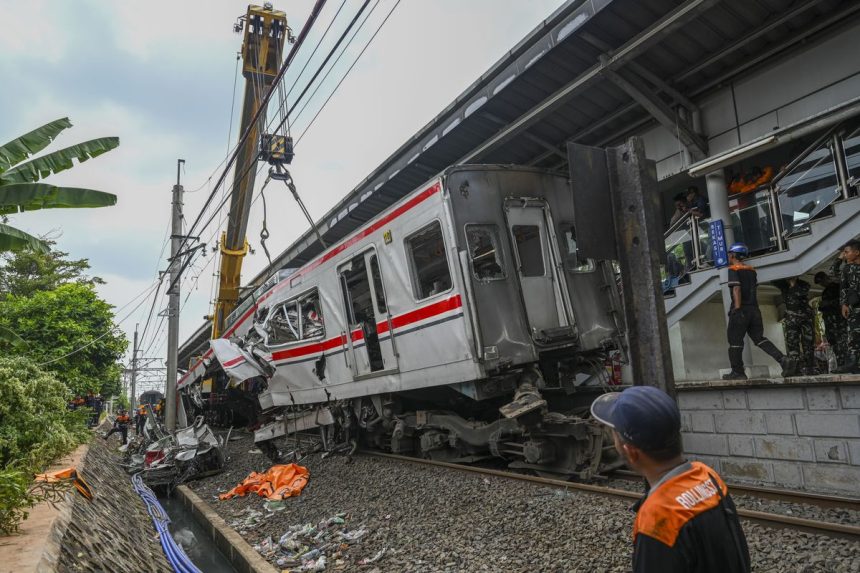
East Bekasi Tragedy! Argo Bromo Anggrek Collides with Commuter Line, Killing 15 and Injuring Dozens, Allegedly Started by a Taxi at the Crossing
A major train accident rocked Bekasi after the Argo Bromo Anggrek collided with the Cikarang-bound Commuter Line train in the East Bekasi Station area on Monday night (27/4/2026).
Based on initial information, the series of events is believed to have begun with a separate incident when an electric taxi collided with a commuter train (KRL) on the crossing near Bulak Kapal. The initial collision caused disruption and forced one of the KRL trains to stop at Bekasi Timur Station.
In that situation, the Argo Bromo Anggrek train, which was on the same track, then collided with the rear of the stopped commuter train. The powerful impact caused serious damage, with the front of the long-distance train reportedly penetrating the women’s carriage.
The latest data indicates 15 deaths and 90 injuries. All the fatalities were reported to be women. Meanwhile, all 240 passengers on the Argo Bromo Anggrek were safely evacuated.
The exact cause of the accident is still awaiting official investigation from the National Transportation Safety Committee and the government.
Risk Accident Review
This incident highlights the systemic risks in railway operations, where a minor disruption at a level crossing can escalate into a major chain accident. The initial collision at a level crossing indicates weak level crossing security and road user discipline. When a train stops on the active track, signaling systems, dispatcher communications, and fail-safe protection must be able to prevent subsequent collisions. The high number of casualties in a particular carriage highlights the importance of crashworthiness, emergency evacuation, and passenger density management. This incident underscores the need for level crossing elimination, signaling modernization, emergency response simulations, regular safety audits, and full integration between operators and national transportation regulators.
Types of Insurance Needed
- Passenger Personal Accident Insurance
Provides compensation for death, permanent disability, and medical expenses for passengers. - Railway Liability Insurance
Bearing the operator’s legal responsibility towards passengers and third parties. - Property Damage / Rolling Stock Insurance
Protects the train set from damage due to collisions. - Employer Liability / Employee Insurance
Protect operational officers and train crew. - Public Liability Insurance
Covers third party losses due to operational disruptions or the impact of incidents. - Business Interruption Insurance
Covering losses due to disruption of transportation services and income. - Infrastructure Insurance
Protecting station assets, signals, track lines and supporting facilities.
This incident serves as a reminder that a single disruption at a crossing can trigger a mass tragedy within minutes. As an insurance broker and consultant, it is crucial to ensure comprehensive coverage for passengers,asset, liability, and support for modern transportation risk management.
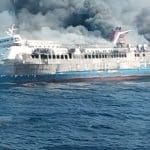
A ship caught fire in Muara Baru, North Jakarta. A suspected engine short circuit sparked a fire in the fuel tank, causing losses of up to Rp 500 million.
A fire broke out on a ship docked at Muara Baru Port in the Penjaringan area of North Jakarta on Saturday afternoon (December 6, 2025). The fire quickly spread, prompting firefighters to be immediately deployed to the scene to control the blaze.
Seventeen fire trucks and 90 personnel were deployed to control the blaze. After several hours of intensive handling, the fire was extinguished at around 8:01 PM WIB.
According to officials, there were no fatalities or injuries in the incident. However, the ship owner is estimated to have suffered material losses of around Rp 500 million.
The preliminary suspicion is that the fire was triggered by an electrical short circuit in the ship’s engine. Sparks then ignited the fuel tank area of the fishing vessel, owned by PT Karya Merlin, triggering a larger blaze.
Risk Accident Review
This incident demonstrates the high risk of ship fires due to electrical faults and the presence of highly flammable fuel. Poorly maintained ship electrical systems, outdated wiring, or overloading can trigger serious short circuits. When sparks reach the fuel tank, the potential for explosion and total loss increases dramatically. Ships docked at the dock also risk causing a chain fire to spread to other vessels and port facilities. This incident underscores the importance of preventive maintenance, regular engine inspections, fire detection systems, onboard extinguishers, and disciplined maritime safety procedures to minimize significant losses and disruption to business operations.
Types of Insurance Needed
- Marine Hull Insurance
Protecting ships from the risk of fire, sinking, collision and other physical damage.
- Protection & Indemnity (P&I Insurance)
Covers legal liability for third parties, crew, or environmental damage. - Machinery Breakdown Insurance
Protects against damage to ship engines due to short circuits, overheating, or technical failures. - Business Interruption Insurance
Covering losses due to the ship being unable to operate after the incident. - Crew Personal Accident Insurance
Provides protection for ship crew against the risk of injury or death.
This incident serves as a reminder that ship fires often start from minor technical glitches but result in significant losses. As insurance brokers and consultants, we recommend that shipowners and shipping operators have comprehensive protection to protect their assets, operations, and legal liabilities from unforeseen risks.
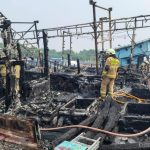
Palm Oil Mill in Medan Explodes and Burns Fiercely! The Fire Rages for Three Hours, Losses Estimated at Billions of Rupiah
A massive fire engulfed PT Agro Jaya Perdana’s palm kernel processing plant on Jalan Yos Sudarso, Martubung, on Saturday evening (April 25, 2026). The incident caused material losses estimated at billions of rupiah.
According to local officials, the incident began around 7:50 PM WIB. Residents first heard a loud explosion before flames erupted and spread from the factory’s production area. Thick smoke and towering flames sparked panic among residents in the area.
Eight fire trucks were dispatched to the scene to control the blaze. Officers worked alongside factory employees to extinguish the blaze from multiple angles to prevent it from spreading to residential areas.
The flammable palm kernel and oil materials made extinguishing the fire quite difficult. After approximately three hours of effort, the fire was finally extinguished. There were no fatalities, and the cause of the fire is still under investigation by police.
News source: https://www.beritasatu.com/sumut/2988628/diawali-ledakan-keras-pabrik-pengolah-sawit-di-medan-ludes-terbakar
Risk Accident Review
This incident demonstrates the high risk of fire in the palm oil processing industry, which uses oily and flammable raw materials. The initial explosion indicated potential overpressure, overheating, chemical reactions, or process machinery failure. Palm oil and organic dust residues can also accelerate the spread of fire if not properly managed. The mill’s proximity to residential areas increases the risk of third-party losses. Fire protection systems, hydrants, foam suppression, machine inspections, production area housekeeping, and emergency response plans are crucial factors. Without proper mitigation, a similar incident could result in total loss, worker injuries, and long-term operational disruptions.
Types of Insurance Needed
- Industrial All Risk Insurance
Protect factory buildings, warehouses and production facilities from fire, explosions and other risks.
- Machinery Breakdown Insurance
Covers damage to processing machines due to overheating, short circuits, or mechanical failure.
- Stock Insurance
Protecting palm kernel raw materials, oil, and production results from the risk of fire.
- Business Interruption Insurance
Covering loss of income due to factory shutdown following an incident.
- Public Liability Insurance
Protecting the company from third party claims, including local residents if affected.
- Workmen Compensation / Employer Liability
Provides protection against the risk of work accidents for employees.
Palm oil mill fires not only damage assets but can also disrupt production chains and lead to lawsuits. As an insurance broker and consultant, it’s crucial to ensure your company has comprehensive protection, a risk management program, and the right policy placement to protect your business when major risks occur.
–
The series of events above demonstrates that accidents and fires are not just passing news, but rather a clear signal that every individual and company faces increasing risk exposure. Minor negligence, technical glitches, and even weak security systems can escalate into major tragedies in a short time.
Therefore, prevention through strict safety standards must go hand in hand with appropriate insurance coverage. For businesses, having an appropriate policy is not only about compensation for losses, but also about maintaining operational continuity, reputation, and financial stability when disaster strikes.
As insurance brokers and consultants, we believe that the best strategy is not to wait for a risk to occur, but to prepare protection before the risk occurs.