



Around the same time, several major incidents have occurred in Indonesia, including fires at grocery and chemical warehouses, fatal inter-provincial bus accidents, fishing boat collisions on the high seas, and tragic workplace accidents at industrial facilities.
This series of events isn’t just ordinary crime or disaster news. Each incident shares a common thread: the risk is always present, and the impact can be worth billions of rupiah in a matter of minutes.
The question is no longer whether a risk will occur, but how prepared a business is to face its financial and legal impact.
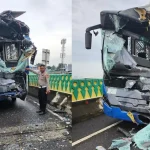
Speeding and recklessly overtaking on an incline! A PMH bus collided with a Colt Diesel truck in Riau, killing four passengers instantly.
A tragic traffic accident occurred on the East Cross Road at KM 122+900, Pangkalan Lesung District, Pelalawan Regency, Riau. A PMH bus with license plate number BK 7552 LD, carrying 14 passengers, collided with a Colt Diesel truck with license plate number BM 9142 GU, traveling in the opposite direction.
Four bus passengers died at the scene after being trapped. The victims were Yantono (43), Mila Rani Pangaribuan (22), Pardomuan Banjar Nahor (56), and Martinus Sitohang (46).
Three other people suffered serious injuries: two bus passengers and the truck driver. All victims were rushed to Selasih Pangkalan Kerinci Regional Hospital for medical treatment.
According to police, the accident began as the bus was traveling from Pangkalan Kuras toward Ukui at high speed. While navigating a downhill and uphill road, the bus driver attempted to overtake the vehicle in front and swerved into the right lane. At the same time, a truck was approaching from the opposite direction, causing an unavoidable collision.
The collision occurred on the right side of the bus, while the truck lost control and plunged into a ravine. The bus driver who was driving at the time of the accident fled, while the other driver was detained for further investigation. Police concluded the accident was caused by the bus driver’s negligence, who failed to consider road conditions and maintain a safe distance when overtaking.
Risk Accident Review
This accident reflects a combination of human error, excessive speed, and overtaking maneuvers in high-risk areas (downhill and uphill). Interprovincial highways pose significant risk exposure due to the high speeds involved in heavy vehicles. The financial impact includes not only vehicle damage but also fatality claims, serious injuries, medical costs, death benefits, and potential lawsuits against the bus operator. Reputational risks and potential revocation of operating licenses are also possible if systemic negligence is proven. Without adequate insurance protection, public transport operators face the burden of multi-party claims that can significantly disrupt the company’s financial stability.
Types of Insurance Needed
- Commercial Vehicle Insurance
Covers physical damage to the bus due to collision, including the risk of total loss. - Passenger Legal Liability Insurance
Provides protection against claims for injury and death benefits for passengers. - Third Party Liability (TPL)
Covers third party losses, including truck damage and truck driver claims. - Employers Liability / Workmen Compensation
Protects the company against the risk of injury or death of bus crew while on duty.
In the public transportation industry, a single decision to overtake in a matter of seconds can turn into billions of rupiah in losses and human tragedy.
As an insurance broker and consultant, it is important to ensure that transport operators have disciplined risk management and a comprehensive insurance protection structure to anticipate the risk of fatalities and large-scale legal liability claims.
Suspected Microsleep at a Red Light! Box Truck Hits 3 Vehicles in Buahbatu, Bandung
A multiple-vehicle accident occurred at the Buahbatu Road intersection in Batununggal Village, Bandung Kidul District, Bandung City, on Thursday at around 1:00 a.m. Western Indonesian Time. Four vehicles were involved in the incident.
The incident began when three vehicles stopped at a traffic light. Coming from the same direction, an Isuzu box truck was traveling at high speed, allegedly due to a lack of concentration, and collided with the vehicle in front of it. The collision triggered a pile-up involving an Isuzu truck, a Suzuki Carry minibus, a Mitsubishi Fuso truck, and an Isuzu box truck.
The incident injured two people: a minibus passenger and the box truck driver. Both were immediately rushed to Hasan Sadikin Hospital in Bandung for medical treatment. There were no fatalities, but material losses are estimated at around Rp 50 million.
Crime scene investigations and witness statements indicate the box truck driver may have experienced fatigue or microsleep while driving. Police are conducting further investigations to determine the exact cause of the accident.
News source:
Risk Accident Review
Microsleep-related chain accidents are a persistent risk in commercial vehicle operations, particularly during the early morning hours. Driver fatigue is often the primary cause of chain accidents, with a chain effect involving multiple vehicles. In addition to physical vehicle damage, there is the potential for injury claims, third-party lawsuits, and disruption to logistics operations. For transportation or distribution companies, this risk can lead to increased premiums, regulatory investigations, and even reputational risk. Without a robust work-hour management system and comprehensive insurance protection, a single microsleep incident can trigger significant financial burdens due to multi-party claims.
Types of Insurance Needed
- Commercial Vehicle Insurance (Comprehensive)
Covers vehicle damage due to collisions, including the risk of multiple collisions. - Third Party Liability (TPL)
Provides protection against vehicle damage and third party injury. - Personal Accident Insurance (Driver & Crew)
Provides fast compensation for accident risks without waiting for the legal proof process.
In the transportation and logistics industry, the biggest risks often arise not from road conditions, but from human factors such as fatigue and lack of rest.
As an insurance broker and consultant, it is important to ensure that your company has a strict fatigue management policy and an insurance protection structure that can anticipate the risk of multiple collisions and third-party claims.
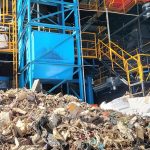
Tragedy at Solo Waste-to-Energy Power Plant! 23-Year-Old Worker Dies After Allegedly Falling into Waste Grinding Machine
Sad news came from the Putri Cempo Waste-to-Energy Power Plant (PLTSa), Solo. A waste sorting worker with the initials E (23) died due to a work accident which allegedly occurred after the victim fell into a grinding machine.
The family admitted that they had previously asked the victim not to go to work on the day of the incident. His uncle, Paino, said the family had hoped E would help his grandfather pick up trash because his older brother was attending his wife’s delivery. However, the victim went to work as usual.
The tragic news came to Paino’s family while they were waiting in line at the landfill. They learned that the victim had been crushed by a grinding machine. Preliminary suspicions are that the victim may have fainted near the machine before being dragged by the grinding gears.
The victim is known to have worked at the waste-to-energy plant (PLTSa) for approximately three years. His body is planned to be buried at the Astoni Banyu Bening Public Cemetery.
News source:
https://www.asatunews.co.id/kecelakaan-kerja-pltsa-solo-pekerja-meninggal
Risk Accident Review
Workplace accidents in waste processing facilities fall into the high industrial hazard category, particularly because they involve rotating equipment with high destructive power. The main risks include entanglement, crushing, or falls due to inadequate guarding systems, safety barriers, or work area supervision. Fatigue, worker health, and suboptimal Lock-Out-Tag-Out (LOTO) procedures can increase the probability of fatalities. In addition to the risk of loss of life, companies face the potential for large compensation claims, investigations by OSH regulators, administrative sanctions, and reputational damage. Without robust safety management and insurance protection, the financial and legal impacts can be significant.
Types of Insurance Needed
- Workmen Compensation / Employers Liability Insurance
Covers company liability for worker injury or death due to work accidents. - Public Liability Insurance
Protecting the company from third party claims resulting from facility operational activities. - Machinery Breakdown Insurance
Covers damage to grinding machines due to technical failures or operational incidents. - Contractors Plant & Machinery Insurance (CPM)
Provides protection for heavy equipment and industrial machinery in processing areas.
In heavy machinery-based industries, the greatest risks are often hidden in areas considered “daily routine.”
As an insurance broker and consultant, it is crucial to ensure that the OHS system is running effectively and that the insurance protection structure is able to anticipate the risks of fatalities, legal claims, and the long-term financial impact on the continuity of the company’s operations.
The Almujib Motorboat in Indramayu Was Hit by a Barge While Its Engine Was Off, Crew Member Dead and Missing
A joint team from the police, Indonesian Navy, and related agencies is still searching for victims of the sea accident that befell a fishing boat in the waters of Rakit/Biawak Island, Indramayu Regency, West Java.
The incident occurred on Saturday (February 28) at around 10:00 PM WIB. The 6-tonne fishing vessel KM Almujib, carrying eight crew members, was allegedly hit by a passing barge with its engine off.
The ship reportedly departed from Karangsong at 1:00 PM WIB to fish. After casting the nets, the crew rested on board. Around 10:00 PM WIB, one of the crew members saw a barge approaching before it struck the ship’s port side.
The impact caused the ship to drag for about 10 minutes, until it took on water, capsized, and sank. The crew members attempted to save themselves by clinging to jerrycans and corks, but not all of them survived.
Two victims were found dead and brought ashore, while two others survived after being rescued by another fishing boat. The search for four victims is ongoing. The wreckage has been secured as evidence, and the investigation is ongoing.
Risk Accident Review
Collisions between small fishing vessels and barges are a high-severity risk in shipping, particularly in heavily trafficked waterways. Dead-ship conditions, inadequate lighting or radar systems, and limited nighttime visibility increase the potential for collision risk. Impacts include total vessel loss, loss of life, death benefit claims, and potential legal liability disputes between shipowners. Furthermore, there is the risk of marine pollution and investigations by maritime regulators. Without adequate maritime insurance coverage, shipowners can face significant financial losses due to loss of assets, crew compensation, and significant legal costs.
Types of Insurance Needed
- Marine Hull & Machinery Insurance
Covers damage or loss of ships due to collision, sinking, or other marine risks. - Protection & Indemnity (P&I Insurance)
Bear legal responsibility for crew, death, injury, and third party claims resulting from collisions. - Personal Accident
Provides compensation for death or permanent disability for ship’s crew. - Wreck Removal Insurance
Cover the costs of lifting the wreck if required by the port authorities.
In the traditional fishing industry, the greatest risks often occur when vessels are inactive or without maximum supervision.
As an insurance broker and consultant, it is important to ensure that fishing vessel owners have comprehensive protection not only for the vessel’s assets, but also for the safety of the crew and legal liability in high-risk marine conditions.
Paint and Thinner Warehouse in Surabaya Catches Fire! Suspected Electrical Short Circuit, Fire Nearly Spreads
A fire broke out at a warehouse on Jalan Raya Pakal, Surabaya, on Sunday evening (March 1, 2026). The blaze is suspected to have been caused by an electrical short circuit near the storage area for paint and thinner, which are flammable materials.
The Surabaya City Fire and Rescue Department (DPKP) received the report at 7:22 PM WIB. Officers were dispatched one minute later and arrived at the scene at 7:24 PM WIB. The main fire was extinguished in less than 10 minutes, at 7:32 PM WIB, and the cooling process continued until the situation was declared safe at 8:07 PM WIB.
Four firefighting units were deployed to the incident. The warehouse area measures approximately 50 x 200 meters, with the affected area estimated at approximately 5 x 3 meters. There were no casualties as the warehouse was closed at the time of the incident and no workers were present.
Risk Accident Review
Fires in warehouses storing flammable materials such as paint and thinner fall into the high fire risk category. Solvent-based materials have a low flash point and can ignite rapidly if exposed to electrical sparks. Electrical short circuits are a leading cause of industrial property fires in Indonesia. Although the affected area is relatively small, the potential for fire escalation in large warehouses is high. The risks extend not only to the building but also to inventory, operational disruptions, and potential third-party claims. Without adequate electrical protection systems, fire protection systems, and insurance, losses can increase significantly.
Types of Insurance Needed
- Property All Risks (PAR)
Covers damage to warehouse buildings due to fire, short circuits and other risks. - Stock Insurance
Protect supplies such as paint, thinner, and other chemicals from the risk of fire. - Machinery Breakdown Insurance
Covers damage to electrical installations and operational equipment due to technical problems. - Public Liability Insurance
Protects warehouse owners from third party claims if the fire spreads and causes external losses. - Business Interruption Insurance
Replacing potential lost revenue due to the cessation of operational activities after the fire.
In the chemical and solvent warehousing business, the biggest risks often lie in electrical installations and storage systems that do not meet safety standards.
As an insurance broker and consultant, strategic steps include conducting a comprehensive risk assessment, ensuring an active fire protection system, and developing a policy structure that aligns with the asset value and business risk exposure.
A Rp 1.5 Billion Excavator Burns to the Bottom of a Coal Warehouse in Padang! Flames Erupt from the Underside of the Heavy Equipment
KA fire broke out in a coal warehouse on Jalan By Pass KM 4, Parak Laweh Village, Pulau Air Nan XX, Lubuk Begalung District, Padang City, early Tuesday (March 3, 2026). An excavator was reportedly destroyed in the incident.
The Padang City Fire Department received a report at 1:05 a.m. Western Indonesian Time and immediately deployed four fire engines with approximately 70 personnel to the scene. The fire was extinguished at around 2:03 a.m. Western Indonesian Time, less than an hour after the report was received.
According to witnesses at the scene, sparks were first seen coming from the underside of the excavator in the coal storage area. The exact cause of the fire is still under investigation.
The damage from this incident is estimated at Rp 1.5 billion. Fortunately, there were no fatalities or injuries. The fire’s location, located on a roadside with relatively narrow access and close to a coal warehouse, drew the attention of firefighters to prevent the fire from spreading to other buildings.
News source:
https://sumbardaily.com/kebakaran-alat-berat-di-gudang-batu-bara-padang-kerugian-tembus-rp15-miliar/
Risk Accident Review
Fires involving heavy equipment in coal storage areas fall under the high industrial fire risk category. Coal is flammable and can self-heat if not managed properly. The combination of flammable materials, heavy equipment fuel (diesel), and electrical and hydraulic systems increases the potential for ignition sources. Losses include not only the loss of assets worth billions of rupiah, but also disruption to mine operations and potential distribution delays. The risk of fire escalating to coal stocks or other facilities is also very high. Without proper insurance protection and an adequate fire prevention system, the financial impact can disrupt cash flow and business stability.
Types of Insurance Needed
- Contractors Plant & Machinery Insurance (CPM)
Covers damage or loss of heavy equipment due to fire, accidents, or other operational risks. - Property All Risks (PAR)
Protect warehouse buildings and supporting facilities from the risk of fire and fire spread. - Stock Insurance (Coal Stock Cover)
Covers losses on coal supplies due to fire or related risks. - Machinery Breakdown Insurance
Provides protection against internal engine damage due to technical faults or overheating. - Business Interruption Insurance
Replacing potential lost revenue due to post-fire operational cessation. - Public Liability Insurance
Covers potential third party claims if the fire spreads and causes external losses.
In the coal mining and logistics industry, one small spark can turn into billions of rupiah in losses in a matter of minutes.
As an insurance broker and consultant, it is crucial to ensure that every high-value asset, especially heavy equipment and commodity stocks, is protected within a comprehensive policy structure, supported by a rigorous risk assessment and fire prevention system.
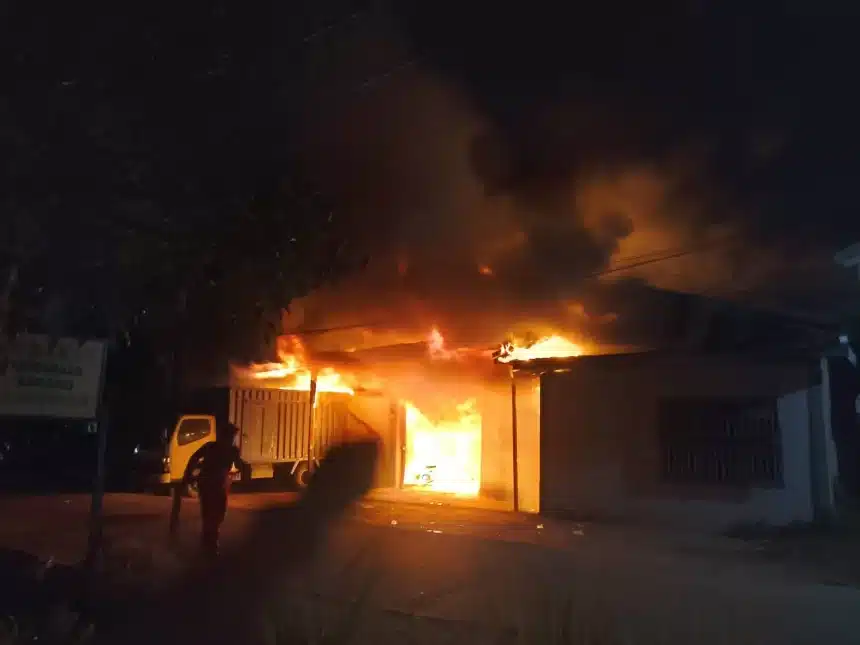
A grocery warehouse in Tembilahan was completely gutted by fire, with losses estimated at billions of rupiah.
A fire broke out at a grocery warehouse on Jalan Ipeda, Tembilahan City, Indragiri Hilir Regency, on Sunday (March 1, 2026) at around 11:00 PM WIB. When officers arrived at the scene, the fire had already spread, resulting in a lengthy extinguishing effort.
The Indragiri Hilir Regency Fire and Rescue Service, along with volunteers, immediately responded after receiving reports from residents. The fire was finally brought under control around 12:30 a.m. WIB. Thanks to swift coordination, officers were able to contain the fire and prevent it from spreading to nearby homes.
There were no fatalities in the incident. However, material losses are estimated to reach billions of rupiah. The cause of the fire is still under investigation by police.
News source:
Risk Accident Review
Grocery warehouse fires fall into the high stock exposure risk category because they involve large quantities of consumer goods with high cumulative value. Warehouses typically store products in flammable racking and cartons, allowing fire to spread rapidly. In addition to stock losses, other risks include building damage, distribution disruptions, lost revenue, and potential contract defaults. If not contained, fires can spread to surrounding properties and lead to third-party claims. Without proper insurance coverage, businesses can experience significant cash flow pressures due to asset loss and the disruption of business operations.
Types of Insurance Needed
- Property All Risks (PAR)
Covers damage to warehouse buildings due to fire and other risks. - Stock Insurance (Stock of Merchandise)
Protecting basic food stocks from the risk of fire, smoke, and damage due to the extinguishing process. - Business Interruption Insurance
Replacing potential lost profits due to the cessation of business activities after a fire. - Public Liability Insurance
Provides protection if fire spreads and causes damage to third party property.
In the distribution and warehousing business, the biggest risk is often not profit margins, but rather the concentration of stock value in one location.
As an insurance broker and consultant, strategic steps include conducting regular stock valuations, ensuring adequate fire protection systems, and developing appropriate policy structures to ensure business continuity even in the face of significant risks such as fire.
Conclusion
From warehouse fires and transportation accidents to industrial and maritime incidents, one thing is clear:the risk of never choosing the time, location, or scale of the business.
Asset losses, compensation claims, lawsuits, and operational disruptions can significantly erode a company’s financial stability if not anticipated with the right protection structure.
As an insurance broker and consultant, the approach required is not just to buy a policy, but to carry out comprehensive risk assessment, developing a comprehensive insurance program, and ensuring limits and clauses are in line with the business’s real exposure.
Because in the modern business world, what differentiates companies that survive and those that fail is not being free from risk but rather readiness to manage it.