



Engineering, Procurement, and Construction (EPC) projects such as smelters, power plants, and strategic infrastructure involve massive investment and high technical complexity. However, many contractors and project owners are trapped by “formal insurance” that has significant loopholes in policy wording and coverage limits. As a result, when technical failures or disasters occur on the ground, claims worth billions of rupiah are often rejected or inadequately paid.
Common mistakes include underinsurance, neglecting the testing and commissioning phase, and even not understanding Delay in Start-Up (DSU) coverage, which can be a lifesaver for a company’s cash flow. L&G Insurance Brokers are not just providing policies; they also perform risk engineering to ensure every phase of a project, from design to operation, is protected by a watertight insurance contract.
Don’t let the future of your strategic project be ruined by insurance structure errors.
CONSULT WITH OUR EPC INSURANCE EXPERTS NOW
WhatsApp: 0811-8507-773 | Email: halo@lngrisk.co.id
Large-scale infrastructure development in Indonesia, from nickel smelters in Sulawesi to solar power plants (PLTS) in Java, carries extraordinary risks. For EPC contractors, a small error during the installation phase or a structural failure during testing can mean financial losses that could halt the entire company’s operations.
The problem is, EPC insurance is often considered a mere “tender supplement” document. Many industry players don’t realize that a standard policy without specific clause modifications is a recipe for claim failure. This article will examine why billion-dollar construction projects are often misinsurance and how you can prevent it.
Who is this for?
This guide is designed specifically for entities that bear responsibility for the success of the project:
- EPC Contractor: You are fully responsible for the design, procurement, and construction. The risk of construction failure is a direct threat to your profit margin.
- Project Owner (Industry & Infrastructure): As the asset owner, you are the party who suffers the most if the project fails to be completed on time or is destroyed before it can become operational.
- Factory, Power Plant & Smelter Developers: Those of you who manage long-term investments and need assurance that the invested capital is safe from catastrophic risks.
- Investors & Financial Institutions: Fund providers who require assurance that the projects they finance have insurance protection that meets Lenders’ Requirements standards.
Why Can a Billion Dollar Project Collapse Financially?
The risks in EPC projects are not only physical but also chronic financial. Here are the main issues frequently encountered in the field:
1. Risk of Structural Collapse
Engineering design errors or soil instability often cause building structures to collapse during construction. Without proper Professional Indemnity or Leg/DE clauses, damage caused by design errors is often excluded from insurance.
2. Damage During Erection & Installation
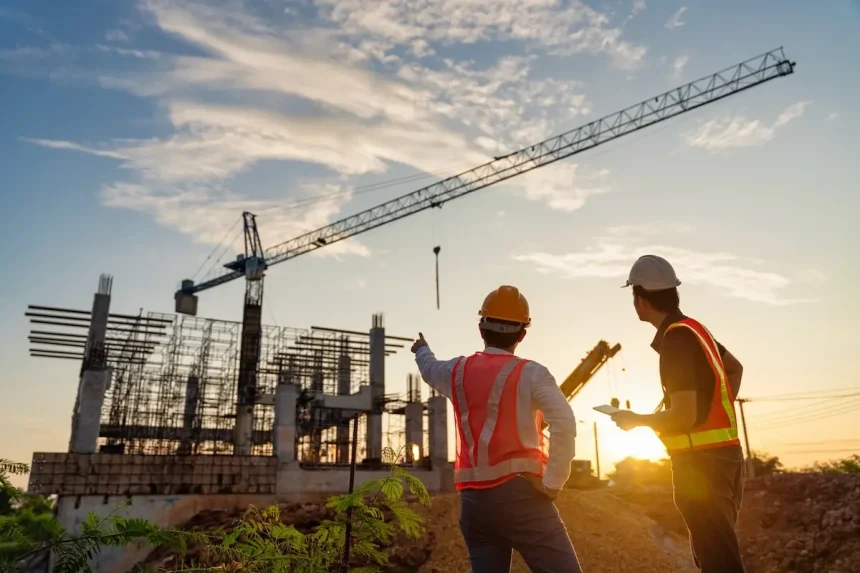
The most critical phase in EPC is the erection of heavy machinery. Falling machine components during crane lifting or damaging sensitive sensors due to shocks can result in costly replacements and lengthy indentation times.
3. Testing & Commissioning Failure
Many incidents occur during the initial engine start-up. Explosions, overheating, or control system failures during the commissioning phase often lead to lengthy disputes with insurance companies if these guarantees aren’t confirmed from the outset.
4. Losses Due to Delay (Delay in Start-Up)
Physical damage may only be worth Rp10 billion, but if it delays the project by six months, the loss of potential revenue could reach Rp100 billion. The problem is, standard insurance doesn’t cover financial losses resulting from these delays without a specific clause.
Fatal Errors in EPC Insurance Closing
Based on L&G’s experience, here are the reasons why many large project claims fail:
- Underinsurance (Project Misvaluation): Reporting a project’s value based solely on material costs, without accounting for service costs, transportation, taxes, and inflation. As a result, in the event of a total loss, compensation is insufficient to rebuild.
- Neglecting Testing & Commissioning: Many contractors forget to extend or clarify the testing period in their policies. This is the period with the highest risk.
- Wrong Coverage Period: The policy ends before the project is actually handed over. Disasters occurring during this transition period are often not covered.
- Not Understanding Delay in Start-Up (DSU): Assuming cargo and construction insurance is sufficient, without realizing that bank interest and company fixed costs continue even when the project stops.
Why Does L&G Understand This?
L&G Insurance Broker understands that EPC insurance is a combination of engineering and insurance law.
- Engineering First: We start by reviewing your work contract. We examine your responsibilities under the FIDIC contract or other construction contracts to ensure the insurance aligns with your legal obligations.
- Precision Policy Wording: We don’t use “template” policies. We negotiate additional clauses like Extended Maintenance, Design Defect Coverage (Leg 2/96 or Leg 3/06), and even subcontractor guarantees.
- ALOP/DSU Analysis: We help you calculate the potential financial losses if the project is late, so investors and banks feel safe providing funding.
Technical Claim Assistance: When an incident occurs, our team goes into the field with the Loss Adjuster to ensure the cause of the loss is technically documented so that claims can be processed immediately without tiring debate.
FAQ: Technical Questions About EPC Insurance
What is the difference between CAR and EAR in EPC projects?
- CAR (Contractors All Risks): More focused on civil works such as buildings, bridges, and roads.
- EAR (Erection All Risks): Focuses more on the installation of machinery, turbines, and industrial equipment (such as in smelters or power plants). In EPC projects, these two guarantees are typically combined or adjusted depending on the project’s scope of work.
Is damage during commissioning guaranteed?
- Yes, but it must be explicitly stated. Insurance typically provides a limited testing period (e.g., 4 weeks). If your project requires longer testing, this should be negotiated upfront to avoid a claim rejection.
How to determine the Sum Insured (Insured Value) of a project?
- The insurance value must cover the full contract value, including the value of materials supplied by the project owner (Principal Supplied Materials), labor costs, shipping, and taxes.
Can project delays be claimed?
- Project delays can only be claimed if they are caused by physical damage covered by the policy (e.g. fire or storm) and you have additional coverage in the form of Delay in Start-Up (DSU) or Advanced Loss of Profit (ALOP).
Who should be the insured in an EPC policy?
- Ideally, an EPC policy should include the names of the Principal (Owner), Main Contractor (EPC), and all Sub-contractors to prevent counterclaims (subrogation) between parties in the same project.
Are subcontractors automatically guaranteed?
- Not always. Ensure there’s a Cross Liability clause and confirmation that all subcontractors under the Main Contractor’s control are included in the definition of “Insured” in the policy.
Secure Your Project Before It Becomes a Financial Burden
An EPC project is a major gamble. Relying on cheap insurance with standard coverage is an unnecessary risk. The success of a claim worth billions of rupiah depends on how detailed your broker is in wording the policy before the first pile is driven.
Protect your company’s assets, reputation, and future with an expertly designed insurance structure.Ensure your strategic projects have world-class protection that meets global industry standards.
—
DON’T WASTE YOUR TIME AND SECURE YOUR FINANCIAL AND BUSINESS WITH THE RIGHT INSURANCE.
HOTLINE L&G 24 JAM: 0811-8507-773(CALL – WHATSAPP – SMS)
Website: lngrisk.co.id
Email: halo@lngrisk.co.id
—