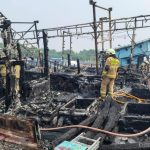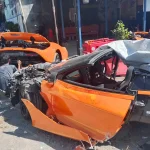




A series of accidents and fires that have occurred in recent days across Indonesia have once again raised serious alarm bells for industry, transportation, and the wider public. From multiple accidents caused by brake failure and fires in operational vehicles to floods that destroyed dozens of homes, all point to a common thread: risks can strike at any time, often from seemingly trivial matters. Not only do they cause billions of rupiah in material losses, some incidents also have the potential to threaten lives and significantly disrupt business operations.
From a risk management perspective, these events are not just events, but important lessons about the importance of mitigation, emergency preparedness, and proper insurance protection.
Brake Failure on Kalimalang Slope! Truck Hits 8 Vehicles at Once While Queuing at a Red Light
A multiple-vehicle accident occurred on Kalimalang Inspection Road, Tambun, Bekasi Regency, West Java, on Monday (April 13, 2026) at around 5:22 p.m. WIB. A truck carrying metal waste collided with several vehicles stopped at a traffic light.
The incident began as the truck was traveling from Grand Wisata towards Simpang Legenda. While navigating a downhill slope, the driver noticed the braking system was not functioning optimally. The assistant attempted emergency braking by blocking the wheels, but was unsuccessful in stopping the vehicle.
The truck then continued on its way and struck vehicles queuing at a red light. A total of seven cars and one motorcycle were involved in the accident.
Fortunately, there were no fatalities or injuries in the incident. All vehicles involved have been recovered by police, and the case is under further investigation to determine the exact cause of the accident.
News source: https://news.detik.com/berita/d-8442820/rem-blong-saat-turunan-truk-tabrak-8-kendaraan-di-tambun-bekasi
Risk Accident Review
This accident highlights the risk of braking system failure in heavy vehicles, particularly when driving downhill. Brake failure can occur due to lack of maintenance, overloading, or overheating of the braking system. Heavy traffic conditions, such as queues at red lights, increase the potential for a chain-reaction collision with widespread impact. Emergency measures without standard procedures are often ineffective in critical situations. Without regular inspections, driver training, and additional safety systems such as engine braking, the risk of similar accidents remains high and can result in significant losses.
Types of Insurance Needed
- Motor Vehicle Insurance (Comprehensive / All Risk)
Covers vehicle damage due to accidents, including multiple collisions. - Third Party Liability (TPL)
Protects against third party claims for losses to other affected vehicles. - Personal Accident Insurance
Provides protection for drivers and related parties in the event of injury or death. - Commercial Vehicle Insurance
Special protection for operational vehicles such as trucks. - Fleet Insurance
Suitable for logistics companies with large fleets for more efficient protection.
This incident highlights that a minor technical failure such as brake failure can lead to a major accident in a matter of seconds.
As an insurance broker and consultant, it is important to ensure regular vehicle maintenance, load control, and comprehensive insurance coverage to minimize the risk of loss.
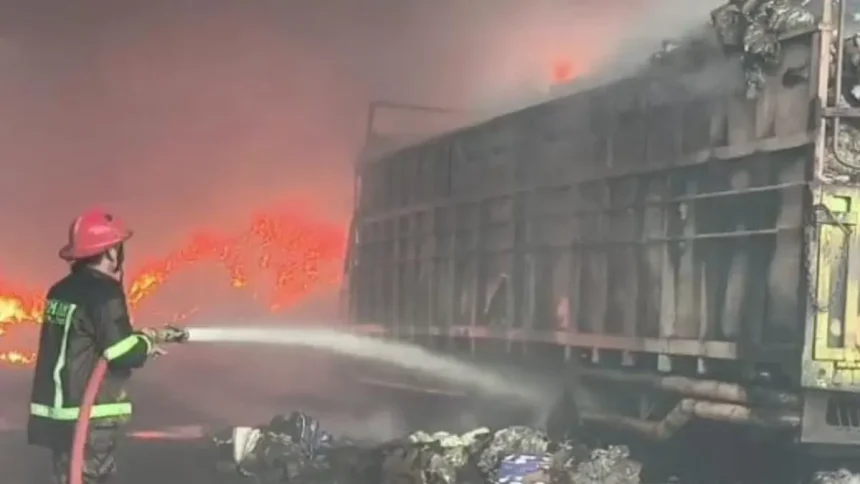
A tow truck carrying heavy equipment catches fire on the Bakter Toll Road. A suspected short circuit triggered the blaze.
A major fire broke out in a towing vehicle (tow truck) that was transporting heavy equipment on the Bakauheni–Terbanggi Besar Toll Road KM 06, precisely in the Hatta Village area, Bakauheni District, South Lampung, on Saturday (11/4/2026) morning.
The incident occurred at around 5:35 a.m. WIB. The South Lampung Fire and Rescue Service (Damkarmat) received a report several minutes after the incident and immediately deployed a fire engine and six personnel to the scene.
Officers arrived at around 06.03 WIB and managed to control the fire after a long extinguishing process, until the fire was finally completely extinguished at 08.10 WIB.
Based on initial suspicions, the fire was triggered by an electrical short circuit in the vehicle’s engine (ECU). Sparks then quickly ignited the diesel fuel, causing the blaze to spread and incinerate the truck and its cargo of heavy equipment.
There were no fatalities in this incident, but material losses are estimated to be around IDR 500 million.
News source: https://lampung.antaranews.com/berita/821136/mobil-towing-pengangkut-alat-berat-hangus-terbakar-di-tol-bakter
Risk Accident Review
This incident demonstrates the high risk of fire in heavy vehicles due to electrical system failure, particularly in engine components such as the ECU. Short circuits can trigger sparks that quickly ignite the fuel, especially in diesel-powered vehicles. The lack of early detection and fire protection systems accelerates the escalation of fires. Operations on toll roads also increase the risk of significant losses due to limited emergency access. Without regular inspections, electrical system maintenance, and initial firefighting equipment, the potential for total vehicle and cargo damage is very high and can significantly disrupt business operations.
Types of Insurance Needed
- Motor Vehicle Insurance (Comprehensive / All Risk)
Covers vehicle damage due to fire, including total damage. - Heavy Equipment Insurance
Protecting transported heavy equipment from the risk of damage or loss. - Marine Cargo Insurance
Guarantees cargo during the shipping process, including the risk of fire during transit. - Third Party Liability (TPL)
Anticipate third party losses if the fire impacts other road users. - Business Interruption Insurance
Cover potential losses due to disruption of business operations after an incident.
This incident confirms that electrical short circuits in vehicles are not a small risk, especially in heavy fleets with high-value loads.
As an insurance broker and consultant, it is important to ensure regular maintenance, fire protection systems, and comprehensive insurance coverage to mitigate major losses.
13 Sub-districts Flooded! Bandung on Disaster Alert, Rp3 Billion Disbursed—Is a Broken Embankment the Culprit?
The Bandung Regency Government declared a disaster alert status after flooding and strong winds hit 13 sub-districts on Monday (April 13, 2026). In addition to assessing the damage, the local government immediately allocated Rp 3 billion in emergency funds to help repair the homes of affected residents.
Bandung Regent Dadang Supriatna personally inspected several of the most severely affected areas, including Banjaran, Arjasari, Pameungpeuk, and the Sapan area in Bojongsoang. Several other areas, including Baleendah, Dayeuhkolot, Rancaekek, Katapang, and Margahayu, were also reported to have been severely affected by the flooding.
According to preliminary reports, the disaster was triggered by a combination of strong winds and overflowing rivers caused by embankment breaches in several locations, including Margahayu, Rancaekek, and Solokanjeruk. The government reported that at least 63 houses were damaged.
For handling, the Bandung Regency Government has prepared two aid schemes, namely the Rutilahu program for severely damaged houses and disaster funds for moderate damage to other emergency handling.
On the other hand, local governments have also begun coordinating with the central and provincial governments for long-term solutions, particularly regarding the construction of flood control infrastructure such as permanent embankments in river basins.
Risk Accident Review
This disaster reflects the high risk of flooding due to a combination of extreme weather and infrastructure failures, such as embankment breaches. Heavy rainfall increases river water discharge, which cannot be optimally accommodated, especially if flood control systems are inadequate. Strong winds also exacerbate damage to buildings. The lack of spatially based mitigation and inadequate infrastructure maintenance exacerbate the impact of losses. Without early warning systems, proper drainage planning, and adequate asset protection, the risk of property damage and disruption to economic activity will recur every rainy season.
Types of Insurance Needed
- Property Insurance (Property All Risk)
Protecting house buildings or assets from the risk of flooding, strong winds, and other natural disasters. - Natural Disaster Insurance Extension
Special coverage extensions for flood, hurricane and extreme weather damage. - Home Micro Insurance
Affordable solutions for communities with basic protection against disaster risks. - Business Interruption Insurance
Covers losses due to the cessation of business activities due to the impact of disasters. - Contractor’s All Risk (CAR)
Used for infrastructure improvement projects such as embankments to protect them during the construction process.
This incident confirms that natural disasters are not just seasonal risks, but serious financial risks that need to be anticipated.
As an insurance broker and consultant, it is important to ensure comprehensive protection and synergy between risk mitigation and insurance to minimize the impact of losses as much as possible.
A shoe wholesale shop in Pematangsiantar was engulfed in flames at dawn. The store’s contents were destroyed, causing losses of hundreds of millions of rupiah.
A large fire destroyed a shophouse (ruko) used as a shoe and sandal wholesale business on Jalan Thamrin, Pematangsiantar City, North Sumatra, on Friday (10/4/2026) at around 05.00 WIB.
The fire spread rapidly due to the large amount of flammable materials inside the building, making extinguishing the fire quite difficult. Five city government fire trucks, assisted by private firefighters, were deployed to the scene to control the blaze.
Despite intensive efforts, it took firefighters more than two hours to extinguish the fire, which engulfed nearly the entire shophouse. During the process, several officers experienced shortness of breath due to the thick smoke at the scene.
Fortunately, there were no casualties as the building was not occupied. However, material losses are estimated to reach hundreds of millions of rupiah. The exact cause of the fire is still under investigation.
News source: https://sumut.inews.id/berita/kebakaran-hebat-ruko-grosir-sepatu-di-pematangsiantar-kerugian-ratusan-juta-rupiah/all
Risk Accident Review
This fire demonstrates the high risks faced by retail businesses that store large quantities of flammable materials. Without fire protection systems such as smoke detectors, sprinklers, and early extinguishers, the fire could have spread rapidly and caused total destruction. The lack of supervision outside of operating hours also slowed the initial response to the fire. Furthermore, exposure to thick smoke increased health risks for staff and those around them. Without proper risk management, including securing electrical installations and storage layouts, the potential for financial and operational losses would have been substantial.
Types of Insurance Needed
- Property Insurance (Property All Risk)
Protecting shophouse buildings from the risk of fire and other damage. - Stock Insurance
Covers losses on stock of merchandise such as shoes and sandals that are burned. - Fire Insurance
Specific protection against fire risks with a certain insured value. - Business Interruption Insurance
Compensate for losses due to the cessation of business operations after a fire. - Public Liability Insurance
Anticipate claims from third parties if the fire impacts the surrounding environment.
This incident confirms that businesses with flammable stock have a very high risk of fire.
As an insurance broker and consultant, it is important to ensure that there is an active fire protection system and comprehensive insurance coverage to minimize the impact of losses.
A pipe warehouse in Cirebon was completely gutted by fire, with vehicles also destroyed, suspected to have been caused by a short circuit in the ceiling.
A massive fire engulfed a pipe storage warehouse in Wanayasa Village, Beber District, Cirebon Regency, West Java, on Tuesday afternoon (April 14, 2026). The blaze quickly spread due to the large amount of flammable materials, such as PVC pipes and piles of wood, inside the building.
The incident began when residents saw thick black smoke coming from the roof of the central warehouse. When they tried to open the door, they discovered the fire was already large and had begun to incinerate the warehouse’s contents, including two cars and a motorcycle parked inside.
The Cirebon Regency Fire Department deployed five fire trucks and dozens of personnel to control the blaze. The extinguishing process was quite challenging because the flammable materials caused repeated flare-ups in several locations.
After nearly two hours, the fire was finally brought under control. The initial suspicion is that the fire was caused by an electrical short circuit in the central ceiling of the warehouse. The exact cause is currently under investigation by authorities.
News source: https://jabar.inews.id/berita/kebakaran-gudang-pipa-di-cirebon-2-mobil-dan-motor-ludes-dilalap-api/all
Risk Accident Review
This fire highlights the high risk inherent in storage facilities that store flammable materials without adequate protection systems. An electrical short circuit in the ceiling was the primary trigger, difficult to detect early. The lack of a smoke detection system, sprinklers, and the absence of surveillance while the warehouse was empty accelerated the spread of the fire. Furthermore, the storage of large quantities of materials without zoning increases the potential for total destruction. The risk also extends to other assets, such as vehicles parked within the warehouse. Without proper mitigation, financial losses and operational disruptions could be significant.
Types of Insurance Needed
- Property Insurance (Property All Risk)
Protect warehouse buildings from the risk of fire and other damage. - Stock Insurance
Ensure stored materials such as pipes and wood are protected from fire risks. - Commercial Vehicle Insurance
Protect operational vehicles in the warehouse area. - Business Interruption Insurance
Covering losses due to the cessation of business operations after a fire. - Public Liability Insurance
Anticipate claims from third parties if the fire impacts the surrounding environment.
This incident confirms that warehouses with flammable materials have a very high fire risk, especially without adequate security systems.
As an insurance broker and consultant, it is important to ensure strong risk management and comprehensive insurance coverage to minimize the potential for significant losses.
A massive fire engulfed a shipping warehouse in Medan, destroying trucks, forklifts, and motorcycles.
A major fire engulfed an expedition warehouse on Jalan Jati, Pulau Brayan Bengkel Village, Medan Timur District, Medan City, North Sumatra, on Sunday (April 12, 2026) at around 12:30 a.m. WIB. The warehouse was known to store various products, including sanitary napkins and other distribution items.
The fire is believed to have started in one of the container trucks inside the warehouse. Thick smoke quickly engulfed the area, preventing workers from entering due to the extremely dangerous conditions.
A number of assets were successfully evacuated early in the incident, but most could not be saved. The fire destroyed two container trucks, one forklift, and four motorcycles, although two of these were removed while already damaged by the flames.
Medan City Fire Department personnel deployed at least nine fire trucks to control the blaze. The extinguishing process took quite a long time, with firefighters continuing to cool the blaze into the evening to ensure there were no remaining flames that could reignite.
There were no fatalities in the incident, and nearby homes were safely protected from the fire. The exact cause is still under investigation, although initial suspicions point to a potential technical malfunction with the container vehicle.
Risk Accident Review
This fire demonstrates the high risk in logistics warehouses that store large volumes of goods and involve operational vehicles within the same area. The suspected origin of the fire from the container indicates the potential danger of vehicles that are not in optimal condition or experiencing technical problems. Flammable items such as sanitary napkins accelerate the spread of fire. The lack of separation between storage areas and vehicles increases the risk. Without effective early detection systems, fire protection, and emergency procedures, fires can spread rapidly and cause significant asset losses.
Types of Insurance Needed
- Property Insurance (Property All Risk)
Protect warehouse buildings from the risk of fire and other damage. - Stock Insurance
Guaranteeing stored products, such as sanitary napkins and other distribution goods. - Commercial Vehicle Insurance
Protect container trucks and other operational vehicles from the risk of fire. - Heavy Equipment Insurance
Guarantees forklifts against damage or loss due to fire. - Business Interruption Insurance
Cover losses due to disruption of distribution and business operations. - Public Liability Insurance
Anticipate potential claims from third parties if the fire impacts the surrounding environment.
This incident confirms that logistics warehouses with vehicle activity and storage of flammable goods have a very high risk of fire.
As an insurance broker and consultant, it is important to ensure that there is area zoning, fire protection systems, and comprehensive insurance coverage to minimize the impact of major losses.
PT Era Foam’s Mattress Factory Burns to Death! Allegedly Caused by Power Cables Being Pulled by Heavy Equipment
A fire broke out at a mattress factory owned by PT Era Foam located in Curug Village, Gunungsindur District, Bogor Regency, on Saturday (11/4/2026) at around 11.00 WIB.
The incident is believed to have been triggered by electrical cables being pulled by heavy equipment, causing sparks. The fire then quickly spread to the foam material inside the factory, which is known to be highly flammable, accelerating the spread of the blaze throughout the area.
The fire was first discovered by local residents, who immediately reported the incident to firefighters. The Bogor Regency Fire and Rescue Service immediately deployed five fire trucks, four from Bogor Regency and one from Depok City.
After extinguishing efforts, the fire was brought under control, and officers are currently cooling the area to ensure there are no remaining hotspots. There were no fatalities in this incident, while the total loss is still being assessed by the relevant authorities.
Risk Accident Review
This fire highlights the high risk in industrial areas involving heavy equipment and exposed electrical installations. The pulling of cables by heavy equipment highlights the weak security of the electrical infrastructure in the operational area. Foam, the primary production material, has a high flammability rate, accelerating the spread of fire. Without protective systems such as fire alarms, sprinklers, and work zone separation, the fire could quickly escalate into a major blaze. The lack of supervision and safety procedures also increases the potential for similar incidents, resulting in significant asset loss and operational disruption.
Types of Insurance Needed
- Industrial Property Insurance (Industrial All Risk)
Protect factory buildings from the risk of fire and other damage. - Machinery Breakdown Insurance
Covers machine damage due to operational disruptions or technical incidents. - Stock Insurance
Protects raw materials and finished products such as mattresses and foam. - Business Interruption Insurance
Covering losses due to the cessation of production operations. - Contractor’s All Risk (CAR)
Protect project activities or work involving heavy equipment. - Public Liability Insurance
Anticipate the risk of claims from third parties due to the impact of fire.
This incident confirms that the combination of heavy equipment activity and unprotected electrical installations can trigger a major fire risk.
As an insurance broker and consultant, it is important to ensure strict occupational safety standards and comprehensive insurance coverage to minimize the impact of losses.
From this series of events, it’s clear that each sector, whether transportation, logistics, industry, or property, has different risk exposures, but they’re equally crucial to manage. Technical failures, operational negligence, and even natural factors can trigger significant losses in a short time.
Therefore, a proactive approach through comprehensive risk management, regular inspections, and enhanced safety standards is essential. Furthermore, protection through appropriate insurance is no longer merely an option, but a strategic necessity for maintaining business continuity and financial stability. With a combination of robust mitigation and optimal protection, potential losses can be minimized and risk resilience significantly enhanced.