



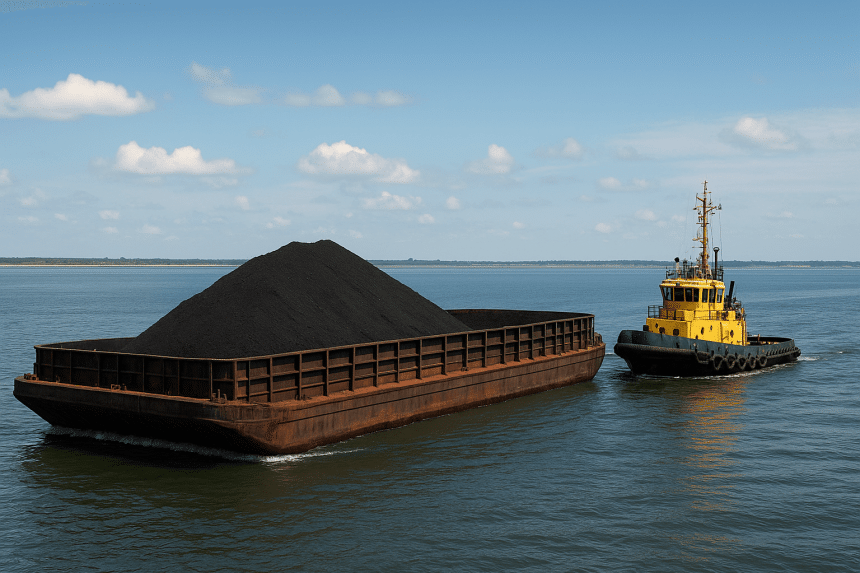
The coal mining industry in Indonesia faces complex logistical challenges. One of the most common issues is cargo shrinkage during transit. This shrinkage isn’t just a matter of the physical loss of goods. However, the risk of loss due to embezzlement or miscalculations often leads to major disputes. Therefore, understanding coal shipping insurance is a smart way to protect your business’s profitability. Furthermore, selecting the right clause in marine cargo insurance will determine the success of your claim. Without strong protection, your working capital could be wiped out simply by a difference in figures at the destination port.
For mining business owners or logistics directors seeking insurance for their business, the risk of cargo shrinkage is a real threat to their company’s cash flow. However, you need to realize that an insurance broker’s role is much greater than simply selling you a policy. We at L&G Insurance Broker help you obtain the best premium rates through technical negotiations with international insurance companies. Furthermore, we provide recommendations for specific coverage extensions tailored to your route and vessel type through professional risk audits. The impact on financial stability of having only a standard policy without accurate shrinkage coverage is significant. Therefore, ensure each of your shipments is audited by the right risk experts to ensure maximum compensation is disbursed without bureaucratic hurdles. As a result, your business remains safe from “invisible” losses at sea, which often cost billions of rupiah. Get a Premium Simulation Now for your risk audit with L&G Insurance Broker experts. Contact us on WhatsApp at0811-8507-773or email tohalo@lngrisk.co.id.
Why Does Coal Shrinkage Often Occur on the Road?
Shrinkage in the world of coal cargo insurance is usually divided into two main types. First, natural shrinkage, often referred to as natural loss, occurs due to changes in water content or evaporation during transit at sea. Second, shrinkage due to external factors such as theft or embezzlement of cargo on board the barge.
In fact, coal is highly sensitive to changes in weather and air temperature. The intense heat of the sun can significantly reduce the weight of the water in the cargo. As a result, the weight at the destination port of unloading will always be lower than at the time of loading. Furthermore, cargo theft at sea is still frequently reported by industry players. Therefore, you need marine cargo insurance that includes comprehensive shortage or underweight coverage. Without this clause, insurance companies typically consider shrinkage a natural property of the goods and cannot be automatically covered.
Important Clauses to Cover Coal Depreciation
Many entrepreneurs simply purchase standard cargo insurance policies without carefully reviewing the coverage details. This is extremely detrimental to the business continuity of coal mine owners. Generally, standard coverage must be modified with additional clauses specifically for bulk commodities.
The following are the names of the technical clauses that must be included in your policy:
- Bulk Coal Trade Clause:This is a specific clause for bulk coal trading. It sets a threshold for reasonable depreciation before insurance will begin paying compensation.
- Shortage and/or Non-delivery Clause:This clause covers loss of physical weight as evidenced by the difference between the survey draft at loading and at unloading.
- Differences in Weights Clause: This clause is vital to resolve disputes resulting from differences in the accuracy of weighing equipment between the port of loading and the port of destination.
- Spontaneous Combustion Clause:Covers the risk of coal spontaneously igniting due to internal heat or the reactive chemical nature of the material.
Therefore, for shipping high-value commodities, the use of the above clause is an absolute requirement. However, standard All Risks coverage alone is not sufficient to cover complex depreciation risks. You must add a manuscript clause approved by an insurance expert. This ensures you receive compensation if depreciation exceeds reasonable limits within the mining industry.
Risk of Spontaneous Fire in Coal Shipping
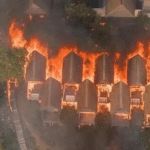
Besides the issue of weight shrinkage, the risk of spontaneous combustion is a significant concern with every shipment. Coal has chemical properties that can generate its own heat in confined spaces. If the temperature inside the barge is uncontrolled, a fire can suddenly break out without any external ignition source. This often occurs with low-calorie coal with a high moisture content.
The impact is devastating for cargo owners and logistics managers. In addition to cargo loss, you also face lawsuits from shipowners for damage to their fleet. Therefore, your coal shipping insurance must explicitly include spontaneous fire coverage. In fact, many standard insurance policies exclude this risk if it’s deemed negligent during the loading process at the dock. Therefore, you need an insurance broker capable of negotiating this clause with top-tier insurers. We ensure that every chemical risk is adequately covered under your policy.
The Role of L&G Broker in Getting the Best Premium Rates
Why should you use the services of an L&G Insurance Broker instead of purchasing insurance directly? The answer lies in our technical negotiation skills and in-depth risk analysis. As a broker, we represent your interests as a client before insurance companies. We tender risks to various international insurance companies on your behalf.
Our main tasks include:
- Risk Profile Analysis: We check the transportation track record and physical condition of the barge you use for shipping.
- Premium Rate Negotiation: We argue technically to get the most competitive premium rates for your company.
- Manuscript Clause Drafting: We create custom insurance contracts that have no legal loopholes that are detrimental to the customer.
- Claims Assistance: We stand at the forefront to defend your interests in the event of a cargo shrinkage claim dispute.
In fact, insurance companies often charge high rates for the mining industry, which is considered high-risk. However, through our brokerage, we can highlight your safety SOPs to reduce annual premium costs. As a result, you can save significantly on operational costs while still having very strong protection. We use technical survey data to demonstrate that your shipping risks are well-managed.
Risk Mitigation: How to Reduce Freight Scale Variance
Insurance is a crucial financial safety net. However, physical risk prevention remains paramount. There are several steps you can take to minimize the risk of cargo shrinkage during transit. First, always use the services of a credible independent surveyor during the loading process. This surveyor will conduct a draft survey to accurately and legally determine the weight of the cargo.
Additional mitigation steps we recommend include:
- Accurate Draft Survey: Ensure that the cargo volume measurement is carried out by an officially certified surveyor.
- Barge Seals: Use security seals on cargo areas to prevent unauthorized access during voyages on the high seas.
- Vessel GPS Monitoring: Install a GPS tracker on the vessel to ensure the shipping route does not deviate into suspicious areas.
- Moisture Content Check: Officially document the coal moisture content before shipment to account for potential natural shrinkage.
L&G Insurance Broker will help you incorporate these technical requirements into your insurance policy. If these SOPs are strictly followed, insurance companies will have no technical grounds to reject your claim. Furthermore, adherence to SOPs will enhance your company’s credibility with international insurance companies. Therefore, orderly risk management will result in easier claims settlement in the future.
Claim Strategy: What If There’s a Large Difference in Load?
When your goods arrive at the destination port and discover a significant weight difference, don’t panic. The first step is to contact the L&G Insurance Broker claims team as soon as possible. We will guide you through the preparation of a shortage certificate, often called a shortage certificate. This document must be issued by an independent surveyor at the unloading location.
In fact, many cargo depreciation claims are rejected due to incorrect reporting procedures or late initial reporting. However, with our professional assistance, we will negotiate with loss adjusters to legally prove the loss. We ensure that depreciation calculations are conducted fairly in accordance with applicable insurance contracts. As a result, your company’s cash flow will not be affected by losses that should be covered by the insurance company. We ensure your rights as a customer are fully met without complicated bureaucratic hurdles.
Conclusion
The risk of downturn in the coal mining industry is unavoidable. However, its significant financial impact can be greatly mitigated with the right strategy. Protection through comprehensive cargo insurance is a smart investment for any mining entrepreneur. Don’t let your operational efforts be wasted due to inadequate or poorly selected insurance coverage.
Partner with L&G Insurance Broker to get the most robust and efficient protection on the market. We understand every technical detail of marine cargo insurance and are ready to defend your business interests at any time. Don’t wait until a major disaster strikes to realize the importance of conducting a professional risk audit early. Contact us now and ensure every ton of your coal reaches its destination with complete financial protection. Remember, the right clauses are key to smooth compensation.
Don’t let your mining profits plummet due to the risks of improperly insured shipments. Secure every shipment of your commodities with the support of the best cargo insurance experts today.
—
Get a Premium Simulation Now for your risk audit with L&G Insurance Broker experts.
HOTLINE L&G 24 JAM: 0811-8507-773 (PHONE – WHATSAPP – SMS)
Website: lngrisk.co.id
Email: halo@lngrisk.co.id
—
L&G Insurance Broker – Professional Risk Mitigation for Your Mining Business Security.