



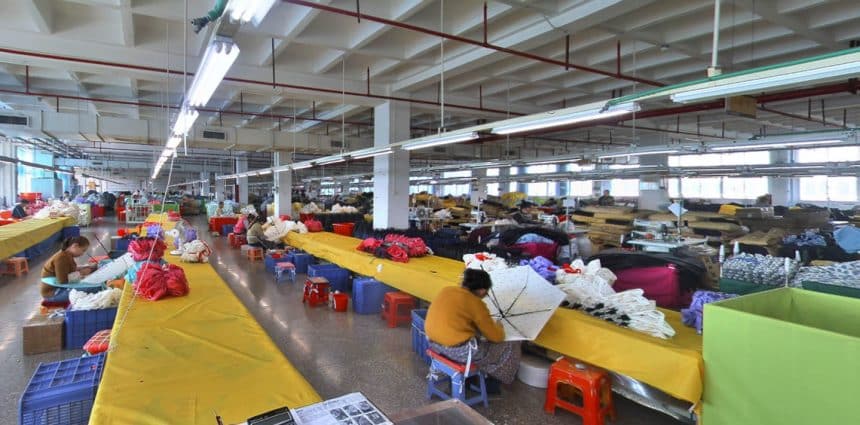
The umbrella manufacturing industry faces a high fire risk due to the use of synthetic fabrics such as nylon and polyester. In fact, these materials are highly flammable and can cause a massive fire to spread throughout the production area within seconds. Therefore, industry managers must understand the importance of umbrella factory insurance to protect their investment assets. Without proper mitigation, a small spark from a production machine could instantly destroy your entire stock and building. Let’s examine why this risk is so real and how insurance can save your business’s survival.
For garment business owners or manufacturing managers currently seeking insurance to protect their assets from potential fires that could cripple operations, it’s crucial to understand that facility protection isn’t simply about purchasing a policy. However, it’s important to understand that an insurance broker’s role goes far beyond simply selling you a product. We act as strategic partners, helping you obtain the best premium rates through technical negotiations with the insurance market and providing specific coverage extension recommendations tailored to your business’s risks.
In fact, gaps in standard policies often only become apparent when a claim occurs, so expert guidance is essential to ensure every penny of your investment is legally protected. The impact on a company’s cash flow is significant if a disaster occurs, but your compensation is not maximized due to incorrect clause selection from the outset. Therefore, ensure every risk in your facility is audited by experts capable of defending your interests before the insurance company. Get a Premium Simulation Now for your risk audit with L&G Insurance Broker experts. Contact us on WhatsApp at 0811-8507-773 or email halo@lngrisk.co.id.
Why Are Umbrella Materials So Flammable?
Synthetic fabrics like polyester and nylon are the gold standard for umbrella manufacturing due to their lightweight and waterproof properties. However, from a fire safety standpoint, these materials are extremely dangerous due to their low melting points. When ignited, synthetic fabrics not only ignite but also melt, releasing hot plastic that can spread to other materials.
The following are the factors that triggered the fire in the umbrella factory:
- Hot Plastic Droplets: Chemicals from melted fabric accelerate the spread of fire vertically and horizontally.
- Fabric Dust Accumulation: The cutting process produces fine fibers that can easily explode if exposed to electrical sparks.
- Dense Storage: Stacks of fabric rolls without fire barriers allow fire to spread quickly throughout the warehouse.
Therefore, comprehensive Stock Insurance coverage is essential to cover the value of these vulnerable raw materials.
Electrical Hazards in Automatic Production Machines
Modern umbrella factories rely on electric sewing machines and automatic presses to meet market demands. These machines often operate continuously, causing excessive heat in their motors. If wiring is not regularly updated, the risk of short circuits becomes a very real threat.
Often, fabric inventory is stored close to electrical panels due to space constraints. This is a potentially fatal situation, as synthetic fabrics can ignite from even the smallest spark. In fact, many manufacturing fires start in poorly supervised storage areas. Therefore, Property All Risk Insurance is crucial, as it covers physical damage caused by sudden power outages.
Analysis of Financial Losses Due to Factory Fires
The losses from fires extend beyond collapsed buildings. For the umbrella industry, the loss of finished goods ready for shipment is the most severe financial blow. Imagine if thousands of units of product ready for distribution were destroyed overnight before they could generate revenue.
Potential financial losses to be aware of include:
- Loss of Raw Material Stock: The price of imported synthetic fabrics is very volatile and expensive to repurchase.
- Production Machine Breakdown: Damaged precision machines take a long time to get genuine spare parts.
- Waste Cleanup Costs: Burned plastic residue requires special waste handling which is expensive.
- Business Interruption: Loss of profits while the factory is out of operation but expenses still have to be paid.
The risk of billions of rupiah in losses is no small matter for the sustainability of your business. Therefore, you need an advocate who thoroughly understands the intricacies of the corporate insurance industry. Robust protection requires astute risk analysis and the selection of an insurer with a proven track record of claims payments. As a result, you gain peace of mind in managing daily operations without the financial burden.
Advantages of Property All Risk Insurance (PAR) for Industry
Many businesses still use standard fire policies (PSAKI). However, standard insurance typically only covers limited risks. In contrast, Property All Risk Insurance provides much broader coverage. PAR covers all risks of sudden physical damage, except those specifically excluded.
In the context of an umbrella factory, a PAR policy can cover:
- Stock damage due to flooding that damages synthetic fabric fibers.
- Building damage due to storms or strong winds that damage the roof structure.
- Operational accident by an employee that damaged a major machine component.
- Losses due to theft or forced dismantling in the stock warehouse area.
With comprehensive coverage, you won’t have to worry about any issues when filing a claim. PAR ensures that your entire Umbrella Factory Insurance operation is protected against a variety of disaster scenarios.
The Importance of Accurate Stock Valuation
One of the classic mistakes factory owners make is underreporting inventory values to secure lower premiums. This is extremely dangerous in the event of a total fire. Insurance companies will apply the principle of average (under-insurance), meaning you won’t receive 100% compensation for the actual loss you suffered.
Your Stock Insurance Coverage must accurately cover:
- Raw Material Value: Includes fabric, iron frame, and handle components.
- Work in Process (WIP): The value of goods currently being sewn on the production floor.
- Finished Goods: The full selling value of the packaged product.
L&G Insurance Broker assists you in performing these valuation calculations professionally. We ensure your coverage value is always relevant to the latest market conditions.
Risk Mitigation Recommendations for Factory Owners
Learning from fires in the textile industry, physical prevention remains paramount. As a broker, L&G offers several risk management recommendations for your facility:
- Automatic Sprinkler Systems: Since synthetic materials burn very quickly, sprinklers are the first line of defense.
- Separation of Warehouse and Production: Separate the raw fabric storage area from the fabric cutting area.
- Routine Electrical Audit: Use a certified technician to check the panel load every 6 months.
- Storage Management: Avoid stacking fabrics directly against light bulbs or cables.
Good mitigation will improve your risk profile in the eyes of insurance companies. This significantly helps us obtain much more competitive premium rates.
The Role of Insurance Brokers in Getting the Best Premium Rates
Why should factory owners use a broker like L&G Insurance Broker? In fact, insurance companies often view textile or umbrella factories as high-risk. Without the right negotiation strategy, you could face exorbitant premium rates.
The strategic steps L&G takes for your business include:
- Market Tendering: We bring your risk profile to multiple insurers to find the best deal.
- Negotiate Additional Clauses: Adding guarantees such as Business Interruption (loss of profits).
- 24/7 Claims Assistance: We will deal directly with loss adjusters to defend your rights.
In fact, having an expert broker is crucial to ensuring your compensation funds are disbursed quickly. We ensure there are no hidden exclusions that could harm your business interests.
Case Example: Claim Failure Due to Misclassification
Imagine a factory that burns down due to an electrical panel explosion. The management feels reassured because they have property insurance. However, when a claim is filed, the insurance company denies coverage because the warehouse is deemed “overcapacity” or “incorrectly classified as an industrial facility.” This often happens if you purchase a policy without the assistance of a qualified broker.
L&G Insurance Broker will ensure your business’s risk classification is accurate from the outset. We examine each exclusion clause to avoid future claims obstacles. In fact, assistance from an experienced broker is crucial to ensuring a smooth business recovery process.
Conclusion
Flammable synthetic materials pose a real challenge for any umbrella factory owner. Relying on luck to manage assets worth billions of rupiah is a dangerous strategy. Protection through Property All Risk Insurance and adequate Stock Insurance coverage is the smartest investment.
Don’t let your hard work be destroyed overnight due to negligence in risk management. Partner with L&G Insurance Broker to get the most appropriate and efficient protection. We’re ready to help you navigate the complexities of corporate insurance. Ensure your Umbrella Factory Insurance investment is in the hands of trusted professionals.
Don’t risk the future of your manufacturing business on the uncertainty of fire risks, which can occur at any time. Secure your valuable assets with the most reliable and trusted insurance coverage today with L&G. Get a Premium Simulation now for your risk audit with L&G Insurance Broker experts. Contact us on WhatsApp at 0811-8507-773 or email halo@lngrisk.co.id now.
L&G Insurance Broker – Professional Risk Mitigation for Your Business Security.