



CEO Notes and Opinions
By: Mhd. Taufik Arifin
CEO & Technical Director, L&G Insurance Broker
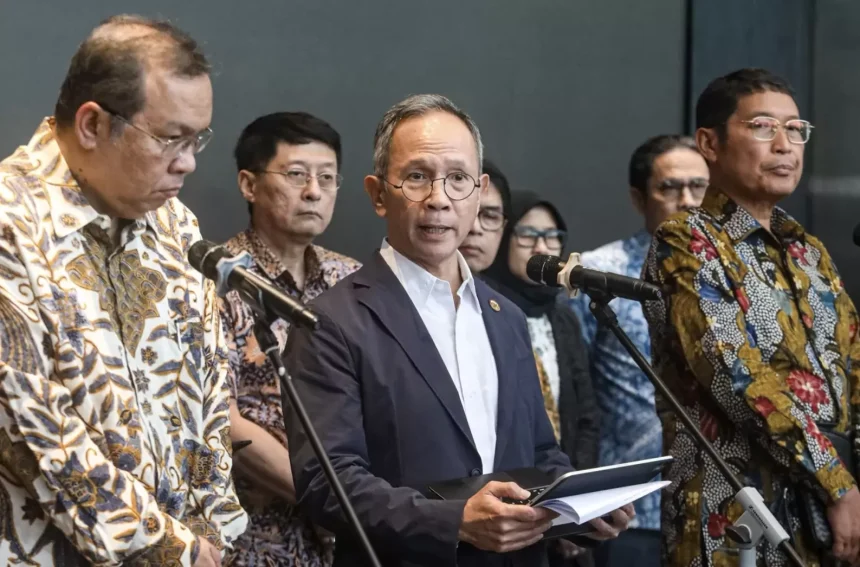
At the end of January 2026,Financial Services Authority, shaken by the roar of change. Chairman of the Board of CommissionersMahendra Siregarand Deputy ChairmanMirza Adityaswara, along with a number of other high-ranking officials, surprisingly, resigned the capital market turmoil that resulted in the IHSG plummeting. Their retreat was described as a form of moral responsibility and efforts to support the recovery of faltering markets, while opening the door for new leadership that can restore investor confidence and stabilize the national financial system. This change marks a significant moment, fueling speculation and hope for the OJK’s new policy direction.
In the financial services industry, stability is not solely measured by capital adequacy ratios or annual financial reports. Stability is also—and often primarily—determined by regulatory leadership. Therefore, the replacement of CommissionersFinancial Services Authority (OJK). What happened recently is worth reading more deeply, especially by insurance industry players.
As a practitioner with more than three decades of experience in the insurance and brokerage industry, I view this event as more than just an institutional dynamic.moment of reflection—about the extent to which the Indonesian insurance industry is ready to be managed with increasingly high governance standards, and whether we, the industry players, are mature enough to face change.
OJK Commissioner Change: More Than Just a Job Rotation
The end of January 2026 marked a significant moment in the history of Indonesian financial services supervision. The resignation of the Chairman and Deputy Chairman of the OJK Board of Commissioners, along with several other commissioners, occurred amid market pressure and growing public concern about financial sector stability.
This step, in my view, should be seen as a form of institutional responsibilityIn a trust-based industry, maintaining the regulator’s credibility is a top priority. The appointment of an interim leader ensures the oversight function continues, but for the industry—especially insurance—this event marks a turning point.The beginning of a new phase which demands greater preparedness from all actors.
OJK and the Direction of the Insurance Industry
Since its inception, the OJK has played a strategic role in shaping the face of the Indonesian insurance industry. It is not only a rule-maker, but also a regulator.professionalism standard setterindustry.
In practice, the same regulation can have very different impacts depending on how it is enforced. Therefore, changes at the Commissioner level are almost always accompanied by expectations of adjustments to the supervisory approach—whether to be more assertive, more selective, or more oriented toward long-term sustainability.
For the insurance industry, which is still undergoing a recovery process, consistency in regulatory direction is a key factor in rebuilding public trust.
From Events to Real Impact on Industry
The change in OJK Commissioners isn’t just a structural issue. It directly impacts the operational realities of the insurance industry: from capitalization and underwriting to claims management and relationships with international reinsurers.
In the short term, the industry tends to take a stance wait and seeHowever, in the long term, it will become clear who is truly ready to operate in a more disciplined and transparent ecosystem.
In my opinion, if the new OJK leadership is able to maintain policy continuity while strengthening governance, the Indonesian insurance industry will emerge healthier.
Impact on Insurance Brokers: A Test of Professionalism
For insurance brokers, the change of OJK Commissioners is professionalism test pointBrokers hold a strategic position—between regulators, insurance companies, and clients. When regulatory direction potentially changes, brokers are the first to understand and explain it to clients.
This is where the true difference between brokers becomes apparent. Brokers who merely act as transaction intermediaries will struggle to adapt. Conversely, brokers who thoroughly understand regulations, risk management, and client business will become increasingly relevant.
Compliance and Governance: No Shortcuts
I clearly see that in the future, supervision of insurance brokers will increasingly emphasize:
- transparency of fees and commissions,
- conflict of interest management,
- quality of documentation and reporting,
- and human resource competencies.
This is not a threat. This isinevitabilityThe insurance brokerage industry must abandon outdated paradigms and invest in robust systems, processes, and governance. Without them, it’s difficult to expect to gain the trust of regulators and clients.
Repositioning Momentum: From Broker to Risk Advisor
Amidst this dynamic, I see a significant opportunity. Corporate clients are increasingly recognizing that insurance is not just an obligation, but rather part of a risk management strategy.
The change of OJK Commissioners has accelerated the need for brokers who are able to act as risk advisor—not just placing policies, but assisting clients in understanding risk, compliance, and business sustainability.
Brokers who are able to take on this role will become long-term strategic partners, not just vendors.
Notes for Industry
The change in OJK commissioners is a reminder that the Indonesian insurance industry is moving into a more mature phase. Stronger regulations demand more professional industry players.
For insurance brokers, my message is simple but firm:move up a class or get left behindThe future of this industry will be determined by those who are adaptive, transparent, and oriented towards risk management and good governance.
Change is not to be feared, but to be prepared for.
—
DON’T WASTE YOUR TIME AND SECURE YOUR FINANCES AND BUSINESS WITH THE RIGHT INSURANCE.
HOTLINE L&G 24 JAM: 0811-8507-773 (PHONE – WHATSAPP – SMS)
Website: lngrisk.co.id
Email: halo@lngrisk.co.id
—