



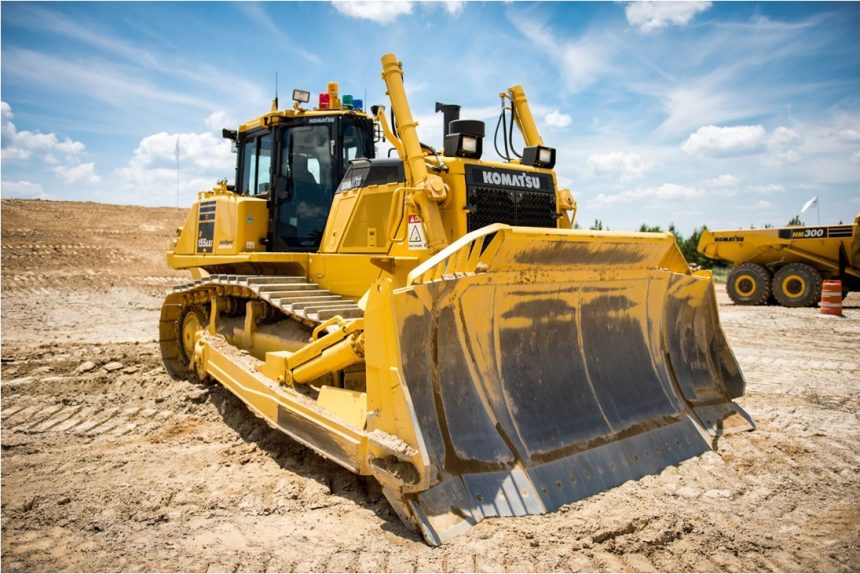
In the world of construction, mining, and large infrastructure projects, the success of a project depends heavily on selecting the right heavy equipment. Each type of project has different needs and characteristics, so no single piece of heavy equipment is suitable for all situations. For example, a highway project will require different types and sizes of equipment than an open-pit mine or a high-rise building.
Unfortunately, many companies still choose heavy equipment based solely on rental price or popular brands, without considering efficiency, work capacity, and field conditions. Yet, this decision can significantly impact project time, fuel consumption, and maintenance costs. Choosing the wrong equipment can lead to project delays, reduced productivity, and even increased risks of damage or workplace accidents.
Furthermore, operator safety and equipment reliability must also be prioritized. Heavy equipment that does not meet standards or exceeds its capacity can compromise safety in the field. Therefore, it is crucial for every contractor and project manager to understand the characteristics of each piece of equipment and adapt it to the type of work being performed.
So, to avoid making the wrong choice, let’s take a look at this complete guide to choosing the best heavy equipment for your project needs!
1. Adjust to the Type of Job
The first step in selecting the right heavy equipment is to thoroughly understand the characteristics and needs of your project. Each project has a different primary task, some focusing on excavation, material movement, and even heavy lifting.
- For earthmoving, choose tools such as excavators or backhoe loaders.
- For moving materials, dump trucks or wheel loaders are more efficient.
- If your project is in a high area or requires lifting heavy loads, a crane is the main choice.
Remember, each piece of heavy equipment has its own strengths and limitations. By choosing according to its primary function, you can ensure projects run more efficiently, save time, and minimize the risk of equipment damage.
2. Pay attention to capacity and carrying capacity
Many people assume that the larger the heavy equipment, the better its performance. However, this isn’t always the case. The size and power of the equipment must be tailored to the scale and nature of your project. If the project is small or in a confined space, using a large excavator can actually make movement more difficult, waste fuel, and significantly increase operational costs.
Conversely, mini excavators or small loaders are often much more efficient due to their maneuverability, fuel efficiency, and lower cost. However, for large projects like road construction, ports, or mining, heavy equipment with large capacities and high lifting capacities is required to maintain maximum productivity.
Besides capacity, engine durability and fuel efficiency are also important factors, especially for long-term projects. A robust and fuel-efficient engine not only reduces costs but also reduces downtime due to excessive maintenance.
So, before deciding to rent or buy heavy equipment, make sure you understand the project’s overall needs. The biggest equipment isn’t always the best, but it is the most efficient.be efficient which will help your project be completed on time and cost-effectively.
3. Choose a Trusted Brand
In the heavy equipment industry, a brand is more than just a name, but a reflection of quality, durability, and reliability. Choosing a brand with a proven track record of excellence significantly impacts overall project performance. Some major brands includeCaterpillar, Komatsu, Volvo, Hitachi, and Hyundai has long been known in the construction and mining world for having tough, efficient machines that are resistant to various extreme conditions.
However, choosing a well-known brand isn’t enough. You also need to consider after-sales support, such as spare parts availability, authorized service centers, and experienced technicians in your project area. Having sophisticated heavy equipment is pointless if, when a breakdown occurs, spare parts are difficult to find or repairs take a long time. This can temporarily halt the project and result in significant losses.
Additionally, trusted brands typically offer better safety standards and fuel-efficiency technology, allowing for safer and more cost-effective equipment operation. Therefore, ensure you’re not solely focused on price or name recognition, but also assess the brand’s reputation, support services, and speed of response when problems arise. This way, your heavy equipment investment truly delivers maximum results and minimizes risks in the field.
4. Check Condition and Usage History
Buying used heavy equipment can be a smart way to save money, provided you do so carefully and thoroughly. Before making a purchase, be sure to ask for a complete history and service records from the previous owner. These documents will help you determine whether the equipment has been regularly maintained, has experienced major damage, or has exceeded its optimal operating hours.
Next, perform a thorough physical inspection, especially of vital components such as the engine, hydraulic system, undercarriage, and electrical system. Also, check for oil leaks, unusual engine noises, or worn components that require immediate replacement. If possible, bring an experienced mechanic to help objectively assess the equipment’s condition.
Another important step that’s often overlooked is conducting a test run, or hands-on testing. This test helps ensure all key functions are working properly, from the hydraulic system and transmission to the operator controls.
A little hassle up front is far better than facing major repair costs mid-project. Remember, heavy equipment is a significant investment, so make sure you buy equipment that’s truly ready to work, not one that just creates new problems in the field.
5. Calculate Operational and Maintenance Costs
Many people focus solely on the purchase price of heavy equipment, but the largest costs actually arise from its operation and maintenance. Once the equipment is operational, routine expenses such as fuel, oil, lubricants, spare parts, and operator salaries will continue to arise. If not carefully calculated from the outset, these costs can balloon and erode project profitability.
Therefore, it’s important to calculate the total cost of ownership (TCO), not just the purchase or rental price of the equipment, but also daily operational costs, scheduled maintenance, and potential downtime when the equipment needs repair. Choose equipment that is fuel efficient, has long service intervals, and has readily available spare parts near the project site.
Additionally, ensure the operator operating the equipment is properly trained. A competent operator can operate the machine correctly, extending its lifespan and saving fuel consumption.
Remember, efficient heavy equipment doesn’t necessarily mean the strongest or largest, but rather the one that can perform optimally with the lowest operational costs and consistent performance. With careful cost planning, projects can run more smoothly, productively, and profitably in the long run.
6. Don’t Ignore Heavy Equipment Insurance
Now, this is a part that’s often overlooked, yet it’s crucial. Heavy equipment is a valuable asset, worth hundreds of millions to billions of rupiah. Every day, this equipment operates in high-risk environments: from mechanical failures and on-site accidents to fires and theft.
Imagine if your excavator was damaged by a landslide or your crane toppled by strong winds, the repair costs could wreak havoc on your project’s finances. This is where Heavy Equipment Insurance comes in. This insurance protects you from financial risks resulting from damage, loss, or accidents with heavy equipment, both on-site and during transit.
With proper protection, projects can continue to run smoothly without the disruption of unexpected costs.
Need Advice on Heavy Equipment Insurance? Call for a Free Consultation!
If you are still confused about choosing a policy or want to know how much your heavy equipment premium will cost, our team of experts L&G Insurance Broker ready to help.
We have more than 30 years of experience in engineering insurance and large projects throughout Indonesia.
📞 Contact us at 0811-850-7773
📧 or send an email to halo@lngrisk.co.id