



Dear readers and L&G Friends, in this fourth article, we want to discuss one of the most important aspects of recovering from disaster: insurance coverage and the claims process. Floods and landslides leave significant losses for communities, and in these difficult times, insurance is a crucial instrument for financial recovery. However, not everyone understands what is covered or how to file a claim. We have compiled this article as a practical and comprehensive guide to help victims understand their rights and accelerate recovery.
When Disaster Strikes, Insurance Becomes a Financial Safety Net
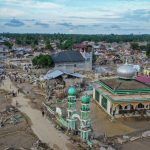
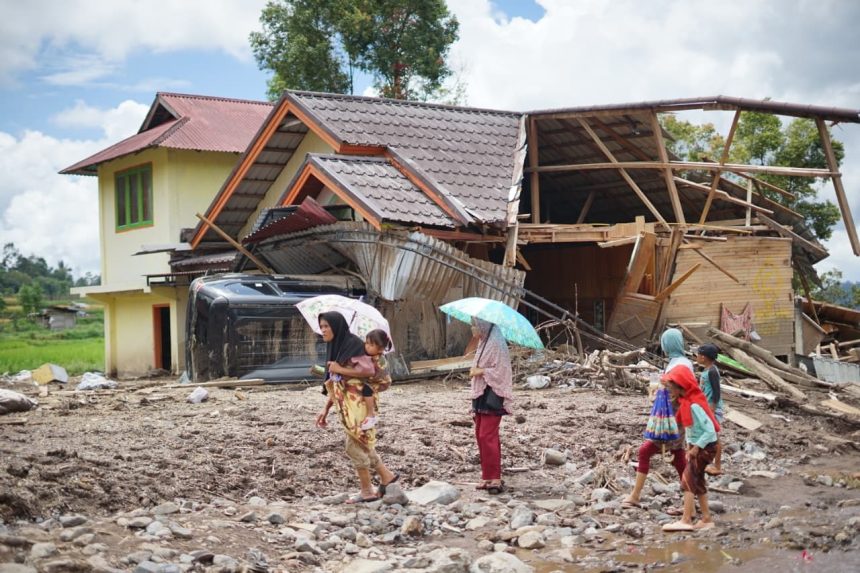
The 2025 Sumatra floods and landslides caused widespread losses, affecting people, property, and economic activity. In such circumstances, insurance protection is crucial for alleviating financial burdens. However, the public needs to understand that not all risks are automatically covered. Specifically, in general insurance, coverage for flooding or water damage is an additional, not a basic, coverage. This makes understanding the policy’s contents crucial for successful claims.
Life Insurance: Protection for the Surviving Family
Life insurance provides financial benefits to beneficiaries upon the insured’s death. Many families have lost their breadwinners in this disaster, making life insurance a significant lifeline.
How to File a Life Insurance Claim
The heirs report to the insurance company with the policy, ID card, death certificate, and a chronology of events. After the documents are verified, the company pays benefits according to the insured amount. Completeness of the documents and timely reporting are crucial to the smoothness of the claims process.
Personal Accident (PA) & BPJS Employment: Insurance for Victims of Injury and Disability
Many victims suffered serious injuries, broken bones, or lost limbs due to being hit by debris and flood currents.
PA Insurance Guarantee
PA insurance provides benefits for accidental death, total/partial permanent disability, and reimbursement of medical expenses. However, it’s important to remember that some PA policies require an extension to cover natural disasters. Therefore, the insured should ensure their policy includes this clause before filing a claim.
BPJS Employment Insurance for This Disaster
BPJS Ketenagakerjaan, through its Work Accident Insurance (JKK) program, protects workers affected by disasters within the employment context. Benefits include:
- Medical care until recovery without a ceiling limit
- Total or partial permanent disability benefits
- Death benefits for heirs
- Rehabilitation and job training after recovery
- Educational scholarships for workers’ children (up to college)
Even if a disaster occurs beyond human control, as long as the victim is registered as an active participant and the incident is work-related, they remain fully entitled to JKK and JKM benefits. This program significantly helps workers’ families secure their future after a disaster.
Health Insurance & BPJS Kesehatan: Protection for Victims of Injury and Illness
Physical injuries and illnesses following a disaster incur significant medical costs. Health insurance, both private and BPJS, can be a vital support for victims.
Conventional Health Insurance Guarantee
Health insurance covers inpatient, outpatient, surgical, and rehabilitation costs according to the policy terms. However, insured individuals should understand that some policies do not automatically cover natural disasters. If floods or landslides are not listed as an exclusion, a claim can still be filed. Reviewing the policy is crucial before making a claim.
BPJS Health Insurance for Disaster Victims
BPJS Kesehatan guarantees health services for disaster victims without referral requirements, including:
- Emergency Room Treatment
- Standard class inpatient care
- Emergency surgery and trauma procedures
- Medications and supporting examinations
- Advanced health care
In the event of a national emergency, participants can seek treatment at any health facility, even those outside their coverage area. This flexible system ensures that all victims receive unhindered care.
Property & Possession Insurance: The Importance of Extended Flood Coverage
Vital Records:
In general insurance, coverage for floods, hurricanes, storms, water damage, and landslides is an additional coverage, not a basic one. This means the policy can only pay claims if the insured purchases an Act of God extension. Without this extension, claims cannot be paid.Certainrejected.
The following is an explanation of each type of asset,
- Residential House
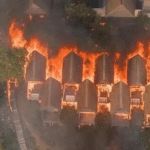
Home property insurance covers damage to the building structure, electrical installations, walls, floors, and furnishings if the insured has flood coverage. Because flooding is not a primary coverage under general insurance, it’s important to ensure the policy includes a flood and Act of God clause. If applicable, repair costs, replacement of materials, and damage to home contents are covered under the policy’s terms. Without the coverage, flood damage is not covered.
- Offices & Service Companies
Office policies cover damage to buildings, office furniture, computers, servers, documents, and other business equipment. However, flood coverage is an add-on, so companies must ensure that flood risk extensions are included in the policy. If the extension is active, it can cover costs for interior repairs, equipment replacement, and inventory losses. The policy can be extended to Business Interruption to compensate for lost revenue when operations are halted due to a disaster.
- Shops, Minimarkets & Modern Markets
Store insurance covers display cases, shelves, merchandise inventory, refrigeration, cash register systems, and supporting equipment. However, flood/water damage coverage is only valid if the additional risk is purchased. With the extension in place, damaged stock, building materials, and electronic equipment can be replaced. Without the flood extension, all water damage—including submerged stock—cannot be claimed. This is especially important for MSMEs and modern stores.
- Factories, Warehouses & Industrial Estates
The industrial sector is at significant risk due to its machinery and equipment worth billions. Flood damage can only be covered if the policy includes a flood/landslide extension. This extension covers damage to production machinery, electrical panels, generators, forklifts, raw materials, and finished products. Many factories are unaware that flooding is not a basic coverage, so it’s important to check the policy to avoid claims being denied when a disaster occurs.
- Power Plants & Distribution Substations
Power plants contain vital components such as turbines, generators, switchgear, and substations that are highly sensitive to water. Engineering or property insurance may cover these if a flood extension is purchased. Without the extension, water damage—including short circuits, panel damage, and loss of functionality—is not covered. With the extension, equipment replacement, sludge removal, and system repairs can be claimed within the policy limits.
- Telecommunication Facilities
BTS towers, antennas, transmission panels, and fiber optic cables can be insured through engineering/property insurance. However, flooding and water damage are not automatically covered. If a flood extension is included, damage to electronic equipment, control panels, structural foundations, and loss of operational functionality may be covered. Without an extension, damage due to water ingress is considered an excluded risk.
- Hotels, Malls & Commercial Properties
Commercial property insurance covers buildings, interiors, central air conditioning, elevators, CCTV, and operational equipment. However, flood damage is only covered if the policy includes a flood extension. This extension covers damage to interiors, electrical systems, and utilities. Business Interruption can also cover loss of income. Many large properties rely heavily on this extension to avoid tens of billions in losses.
- Cars & Motorcycles
Vehicle insurance only covers floods if the owner purchases it.flood expansionin the policy. Without the extension, engine damage due to water hammer is not covered. With the extension, submerged vehicles, damaged interiors, and engine damage can be claimed. It’s important to ensure the insurance is active and the flood extension is clearly stated to avoid claim rejections.
- Trucks & Logistics Fleet
Operational trucks can be insured against flooding if the policy includes the Act of God extension. Without this clause, damage to the engine, body, cargo, and electrical system cannot be claimed. If the extension is active, major damage caused by water or mud can be reimbursed according to the insured value. Logistics fleets are particularly vulnerable, so flood extension coverage is mandatory in the policy.
- Gardens, Rice Fields & Agricultural Assets
Agricultural damage caused by flooding can be covered through agricultural insurance or parametric insurance. However, general insurance products do not automatically cover flood risks. Landowners should ensure they purchase extended risk coverage or a specialized agricultural policy. With the right coverage, losses due to crop failure, crop damage, and mud contamination can be reimbursed under the policy’s terms.
How to Process an Insurance Claim: A Practical Guide for Disaster Victims
- Report the incident within 3 × 24 hours
- Include the policy and the identity of the insured
- Photos/videos of all damage
- Get an official certificate
- Submit an initial loss estimate
- Loss adjuster conducts a survey
- Investigation of the cause of the damage
- Final assessment of losses
- Submission of final documents
- Claim payment
The Role of an Insurance Broker: Advocate and Support for Clients
For policyholders who use the services of an insurance broker, you’re not alone. The broker will promptly assist and guide you from the initial claim submission through to payment.
This isn’t just an additional service, but a mandatory broker duty, as stipulated by the Financial Services Authority (OJK). Brokers act as independent advisors, championing the insured’s rights, ensuring complete documentation, overseeing communications with insurance companies, and negotiating loss amounts to ensure optimal claim payments. With professional assistance, the claims process is faster, safer, and more secure.
Brokers play an important role:
- Explaining the actual terms of the policy and guarantee
- Ensuring flood expansion is within the police
- Managing document completion
- Communicating claims to insurance
- Supervise surveyors and loss assessments
- Negotiating the claim value
- Prevent claim rejection
- Speed up the payment process
Brokers are customer advocates, not extensions of insurance companies.
If Your Insurance Policy Doesn’t Use a Broker: You Can Still Ask for Help
For policyholders who haven’t used a broker before, you can still ask an insurance broker for assistance with claims settlement. One way is toL&G Insurance Broker,who have extensive experience in handling large and complex claims, including those resulting from floods and landslides. Contact us now.
Empower Yourself with Proper Protection
Insurance is an important measure to mitigate the impact of disaster risk, purchased before a disaster occurs, not afterward. The explanations in this article are general, as each policy has different terms and exclusions. Therefore, it’s important to read the policy carefully and discuss it with your broker or insurance company to ensure the coverage truly meets your needs.
—
DON’T WASTE YOUR TIME AND SECURE YOUR FINANCIAL AND BUSINESS WITH THE RIGHT INSURANCE.
HOTLINE L&G 24 JAM: 0811-8507-773(CALL – WHATSAPP – SMS)
Website: lngrisk.co.id
Email: halo@lngrisk.co.id
—