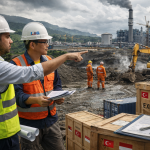




Managing a sports stadium is a challenging and highly responsible business. As a large-scale public facility, a stadium faces numerous potential hazards that can occur suddenly. In fact, in the insurance world, a stadium is not considered an ordinary building. Understanding the importance of sports stadium insurance is crucial to ensuring smooth operations and financial stability. Furthermore, property all-risk insurance provides comprehensive protection against future uncertainties. Let’s examine why the property risk at this facility is categorized as very high and how it impacts your business.
For sports facility managers, stadium owners, or commercial property investors seeking insurance for their businesses to protect their physical investments from various revenue-crippling threats, it’s crucial to understand that asset protection isn’t simply about purchasing a policy. However, it’s important to understand that an insurance broker’s role goes far beyond simply selling you a product. We act as strategic partners, helping you secure the best premium rates through technical negotiations with the insurance market and providing specific coverage extension recommendations tailored to your specific line of business.
In fact, the correct use of occupational codes significantly determines the validity of your claims and the cost efficiency of your annual premiums. Therefore, ensure every aspect of your facility is audited by risk experts capable of defending your interests with insurance companies to ensure business stability. As a result, you can focus on developing your sports achievements without worrying about operational disruptions that could destroy your business in an instant. Get a Premium Simulation Now for your risk audit with L&G Insurance Broker experts. Contact us on WhatsApp at0811-8507-773or email tohalo@lngrisk.co.id
Understanding Occupational Code 29432 in the OJK Risk Classification
In the Indonesian insurance industry, each building is categorized based on its function. Occupancy code 29432 determines the insurance premium rate for meeting halls, cinemas, and sports facilities, including stadiums. In fact, this code places stadiums in a higher risk category than regular offices or shophouses.
Insurance companies use this code to calculate potential losses. The higher the risk score, the higher the premium rate. However, this classification is not without reason. Stadiums have much more hazardous physical and operational characteristics. Therefore, accurately determining this occupation code is crucial when applying for sports stadium insurance. Incorrect coding can lead to costly claim denials in the future.
Physical Characteristics of Stadiums that are Vulnerable to Damage
Stadiums are architectural marvels with unique structures. However, this grandeur conceals a vulnerability that the general public rarely realizes. Wide-span roofs and open stands expose these buildings to the elements 24/7.
The following are physical factors that increase the risk level:
- Giant Roof Structure: The stadium roof acts like the sail of a large ship. High wind pressure can cause the structure to fail if it is not designed properly.
- Dynamic Loads on Spectators: Thousands of people jumping together create very heavy dynamic loads on the concrete stands.
- Complex Electrical Systems: Floodlights and videotrons require thousands of watts of electricity, increasing the risk of fires due to short circuits.
- Building Area: Extinguishing a fire in an area the size of a stadium is much more difficult than in a normal enclosed building.
Therefore, property all-risk insurance is the best solution. This policy provides comprehensive coverage for sudden and unexpected physical damage.
Crowd Factors and Public Liability Risk
In addition to structural risks, stadiums face risks from human factors. Stadiums are places where tens of thousands of people gather under heightened emotions. In fact, fan riots or stampedes at the exits can cause massive damage to the stadium’s physical facilities.
Some of the mass-related risk points include:
- Vandalism: Damage to spectator seats, fences, and toilet facilities.
- High Density: Increases faster wear and tear of building materials.
- Liability Risk: If a spectator is injured due to damaged facilities, the management is obliged to provide compensation.
The risk of billions of rupiah in losses is no small matter for the sustainability of your facility’s business. Therefore, you need an advocate who thoroughly understands the intricacies of the corporate insurance industry. Robust protection requires astute risk analysis and the selection of an insurer with a proven track record of claims payments. As a result, you gain peace of mind in managing daily operations without the financial burden that plagues you when a major disaster strikes.
Natural Disaster Threats to Open Facilities
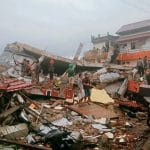
The geographical location of a stadium significantly determines your insurance premium. Because stadiums are often built in large open areas, the threat from external factors is even more pronounced. Extreme rainfall not only damages expensive turf fields but also seeps into the ceiling structures of the stands.
Natural factors that influence the risk level of a stadium include:
- Hurricane Winds: The biggest risk to the giant scoreboard and roof structure.
- Earthquakes: Vulnerability of tall buildings to seismic shaking.
- Flooding: Given the large catchment area, poor drainage can damage basements or changing room facilities.
Therefore, the property all-risk insurance you choose should include detailed coverage for natural disasters. L&G Insurance Broker will ensure that any potential disasters at your stadium site are fully covered.
Why Are Stadium Premium Rates More Expensive?
Many managers complain about the high premiums for sports stadium insurance. This is based on industry loss ratios. Insurance companies recognize that once a stadium is damaged, the costs can be astronomical.
Apart from occupation code 29432, other factors that influence premium prices are:
- Extremely High Asset Value: Modern stadiums are worth trillions of rupiah.
- Nature of Activity: High-tension sporting events are considered to have a greater risk of injury than art exhibitions.
- Fire Protection: The availability of sprinkler and hydrant systems in the grandstand area will affect insurance rates.
As brokers, our job is to conduct technical negotiations to obtain the best rates. We highlight your safety features to convince insurers to offer premium discounts.
Risk Mitigation Recommendations for Stadium Managers
Having insurance doesn’t mean you can neglect your physical safety. Insurance companies highly value customers who are disciplined in risk management. Proper mitigation will help us significantly lower your insurance premiums.
Suggested mitigation steps include:
- Routine Electrical Audit: Check the lighting panels and sound system periodically.
- Periodic Structural Inspection: Use the services of a certified technician to check the strength of the bolts and joints of the stands.
- Crowd Management: Have clear evacuation SOPs and barrier-free exit routes.
- CCTV installation: Monitor every corner of the stadium to prevent vandalism by irresponsible individuals.
Well-documented mitigation demonstrates the customer’s good faith. This will significantly assist the insurance claims process should a disaster occur in the future.
The Benefits of Using L&G Insurance Broker
Managing sports stadium insurance requires highly specialized technical expertise. L&G Insurance Broker understands the intricacies of occupation codes and coverage requirements for nationally vital facilities. We don’t just issue policies; we provide long-term protection strategies.
Our service advantages include:
- Risk Tendering: We compare quotes from leading insurance companies to find the most competitive rates.
- Drafting Special Clauses: Ensure that there are no hidden exception clauses that are detrimental to the customer’s interests.
- Claim Advocacy: We accompany you 100% when a disaster occurs until compensation funds are received.
- Physical Risk Audit: Provides technical input to improve the security of your facility.
In fact, having an expert broker is crucial to ensuring your business capital is properly protected. We ensure every clause in the policy works in your best interest, not the insurance company’s.
Conclusion
Sports stadiums are significant investments with high risks within the commercial property classification. Relying on luck to manage assets worth trillions of rupiah is a highly risky undertaking. Protection through properly designed property all-risk insurance is the only way to ensure your operational continuity.
Partner with L&G Insurance Broker to get the most cost-effective protection. We understand the complexities of sports infrastructure in Indonesia and are ready to serve as a financial bulwark for your business. Don’t let the future of your stadium depend on uncertainty. Ensure your valuable asset is protected by professionals with a proven track record in the insurance industry.
Don’t risk the future of your sports facility on the uncertainty of risks that can occur at any time without warning. Secure your valuable assets with the most reliable and trusted insurance coverage today with your risk management partner.
—
Get a Premium Simulation Now for your risk audit with L&G Insurance Broker experts.
HOTLINE L&G 24 JAM: 0811-8507-773 (PHONE – WHATSAPP – SMS)
Website: lngrisk.co.id
Email: halo@lngrisk.co.id
—
L&G Insurance Broker – Professional Risk Mitigation for Your Business Security.