



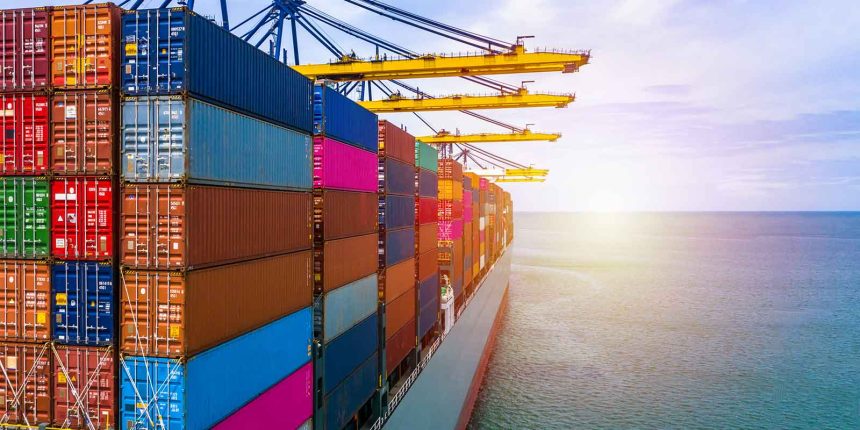
In an increasingly integrated world of international trade, the smooth flow of goods between continents is the lifeblood of every company’s economy. Many beginning and mid-sized importers and exporters often feel quite at ease once their goods have been loaded into containers and the ship has set sail, assuming that the reputation of a major shipping company is sufficient to guarantee the safety of their cargo. However, the reality on the ground shows that the ocean is an unpredictable environment; from extreme natural phenomena and port accidents to technical risks like contamination and theft, anything can happen in the blink of an eye. Relying on the limited liability of the carrier without additional protection is a speculative move that can result in massive financial losses and severely disrupt a company’s cash flow.
Every international trade transaction carries a different risk burden depending on the agreed delivery terms, which requires a thorough understanding of when risk transfers from the seller to the buyer. Proper use of marine cargo insurance is not simply an additional cost, but a smart investment instrument to ensure the working capital invested in each shipment remains secure, regardless of the challenges encountered at sea.
As an insurance broker focused on cost efficiency and accurate coverage, L&G Insurance Broker is here to ensure you not only have a policy, but also receive protection tailored to your business line, complete with the best premium rate negotiations and relevant coverage extension recommendations. Before global logistics uncertainty disrupts your long-term business plans, it’s crucial for you to discuss with an insurance professional who fully supports your interests as a client. For a comprehensive solution for your logistics security, contact L&G Insurance Broker now at 08118507773 for a consultation with our experts and get the most optimal shipping risk analysis for your business.
Understanding the Reality of Risk in Global Logistics
Many business owners believe that shipping by sea or air is now very safe thanks to large ship technology and advanced tracking systems. However, statistics show that thousands of containers are lost at sea each year due to extreme weather or shipwrecks (General Average).
Often Overlooked Risks
For an exporter insuring, the risks don’t end when the goods leave the factory. Damage during loading, severe shaking on board causing the goods to shift, and extreme temperature changes inside the container that trigger condensation (sweat damage) are examples of risks often underestimated. Without marine cargo insurance, losses due to technical issues like these often cannot be claimed from the shipping company due to exclusion clauses in the Bill of Lading.

Crucial Differences: Carrier Liability vs. Marine Cargo Insurance
One of the biggest misconceptions among importers of insurance is the assumption that if goods are damaged, the shipping company will provide full compensation. In reality, the carrier’s liability is limited under international conventions (such as the Hague-Visby Rules), which are typically calculated based on the weight of the goods or per unit of cargo, not the actual invoice value.
Why is Self-Insurance Safer?
By having your own marine cargo insurance policy, you are guaranteed compensation based on the Full Invoice Value plus freight costs and estimated profit. This provides far greater financial certainty than relying solely on limited compensation from shipping companies or airlines.
The world of international shipping is a complex regulatory maze, where a single misinterpretation of an insurance clause can result in the denial of a claim worth billions of rupiah. Purchasing insurance through a reliable broker ensures that every aspect of your coverage has been verified by experts familiar with maritime law and international trade. To ensure you have a strong bargaining position and unwavering coverage with insurance companies, professional assistance is essential.
Types of Guarantees in Marine Cargo Insurance: Clauses A, B, and C
In the freight insurance industry, there are international standards known as Institute Cargo Clauses (ICC). The choice of these clauses significantly determines the extent to which your goods are protected.
- ICC (A): This is the broadest coverage, or All Risks. Almost all physical damage or loss due to external factors is covered, unless specifically excluded (such as damage due to the nature of the goods). It is highly recommended for importers importing electronics or high-precision machinery.
- ICC (B): A more limited guarantee, usually covering the risks of fire, shipwreck, collision, and damage due to sea water entering the ship or container.
- ICC (C): The minimum guarantee, usually only covers total loss due to major disasters on the ship.
The Importance of Recommendations for Expanding Warranty According to Business Line
A standard insurance policy is often insufficient to cover specific risks associated with certain types of goods. As a broker, L&G provides added value by recommending extended coverage that is often overlooked when purchasing insurance directly.
Vital Expansion Examples:
- S.R.C.C (Strikes, Riots, and Civil Commotions): Protects your goods in the event of damage due to riots or labor strikes at the transit port.
- War Risks: Insurance against war risks that may occur on international shipping routes.
- Transshipment: If your goods have to be transferred to an intermediate port (such as Singapore or Dubai), make sure your policy covers the risks during the loading and unloading process at the transit port.
- Rejection Insurance: Very important for exporters of food or natural products, it covers if the goods are rejected by health authorities in the destination country for certain technical reasons.
Tailoring insurance clauses to real-world needs requires a keen understanding of risk analysis that traditional sales agents lack. At L&G Insurance Broker, we don’t just sell policies; we help you design the most efficient coverage, ensuring no premiums are wasted on unnecessary coverage while still providing maximum security for your assets. As a smart way to optimize your logistics costs through targeted insurance coverage, discussing with our experts is the best solution.
Strategy to Get the Best Premium Rate Through a Broker
Many business owners assume that using a broker will increase insurance premiums. In fact, the opposite is true. L&G Insurance Broker has access to dozens of top insurance companies and negotiating power over significant business volumes.
How Do We Lower Your Premiums?
- Market Tendering: We tender your risk to multiple insurers at once to find the most competitive offer.
- Claim History Analysis: We help present your shipment data in a professional manner so that insurance companies are willing to provide lower rates for customer profiles with good risk management.
- Clause Negotiation: We negotiate the reduction of extra, irrelevant costs, ensuring the premium you pay is purely for the protection you need.
Claims Handling: The True Test of a Policy
The true value of marine cargo insurance only becomes apparent when goods are damaged. The international freight insurance claims process is often tedious, involving multiple parties: surveyors, shipping agents, loss adjusters, and port authorities.
L&G’s Advocacy Role When a Claim Occurs
Without a broker, importers or exporters are left to fend for themselves against the technical arguments of loss assessors sent by insurance companies. L&G Insurance Broker will be there for you to:
- Ensure Surveys Are Done Quickly: Arrange for an independent surveyor to arrive to document the damage as soon as the goods arrive.
- Compiling Documentation: Assisting in collecting Letter of Protest, Bill of Lading, Commercial Invoice, and other crucial documents to ensure that claim submissions are not administratively flawed.
- Protecting Subrogation Rights: Ensuring your rights are protected when the insurance company makes a counterclaim against the at-fault shipping company.
Ensuring full and timely claim payments is key to financial stability for every insurance importer and exporter. Leaving your company exposed to the risk of claim disputes due to a lack of technical understanding is detrimental to your business’s credibility with global partners. To ensure that every inch of your rights as an insured will be fully defended by a team of competent experts, the support of an insurance broker with integrity is essential.
Checklist for Importers and Exporters Before Shipping Goods
Before you instruct your next shipment, ensure you have reviewed the following risk management aspects:
- Review Incoterms: Is your contract CIF, FOB, or EXW? Make sure you know where your insurance responsibility begins.
- Check Shipping Route: Will the goods pass through conflict zones or areas with seasonal bad weather?
- Packaging Audit: Ensure packaging meets export standards to minimize claim rejections due to “inadequate packaging”.
- Update Goods Value: Make sure the insured value includes freight costs and estimated profit (usually 10% of the CFR value).
Conclusion
In the competitive international trade environment, having marine cargo insurance is essential for peace of mind. However, the effectiveness of such insurance depends heavily on who designs it. L&G Insurance Broker is committed to helping Indonesian exporters and importers grow stronger by providing reliable, transparent, and cost-effective logistics protection solutions.
Insurance isn’t just a monthly fee; it’s a promise that your business will keep running, no matter what storms blow at sea.L&G Insurance Broker – Controlling Every Inch of Your Goods’ Travel Around the World.
—
DON’T WASTE YOUR TIME AND SECURE YOUR FINANCIAL AND BUSINESS WITH THE RIGHT INSURANCE.
HOTLINE L&G 24 JAM: 0811-8507-773 (CALL – WHATSAPP – SMS)
Website: lngrisk.co.id
Email: halo@lngrisk.co.id
—