



The wire manufacturing industry is a highly capital-intensive sector with high operational risks, ranging from fire hazards in wire drawing machines to the risk of theft of high-value raw materials such as copper and aluminum. Without adequate stock insurance coverage, a single incident can permanently threaten a company’s cash flow. This article discusses various types of mandatory protection, including strategies for securing wire factory stock insurance and a technical understanding of the OJK Code 2030 regulations. L&G Insurance Broker, as risk management experts based in South Tangerang, is here to ensure every inch of your investment is protected from legal loopholes and physical risks. Given the technical complexity of drafting industrial policies, it is crucial for you to obtain expert guidance to avoid future claim rejections. Contact L&G Insurance Broker now at 08118507773 or via email halo@lngrisk.co.id for consultation with our experts.
Understanding the Unique Risk Profile in the Wire Manufacturing Industry
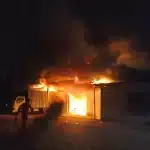
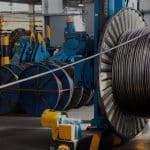
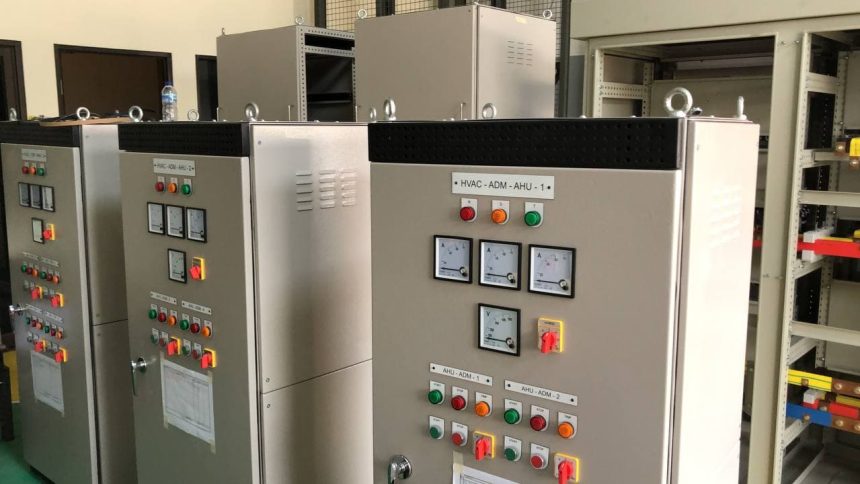
The wire manufacturing industry plays a crucial role in supporting the construction, automotive, and energy sectors. However, the production process involves a series of drawing, annealing, and coating machines operating under high electrical loads and extreme temperatures. These characteristics make wire manufacturing highly vulnerable to fires caused by electrical short circuits or overheating of mechanical components.
Beyond the physical risks to buildings, the greatest economic value of this business lies in inventory. Raw materials such as copper rods and aluminum ingots have highly volatile market prices and are prime targets for theft due to their ease of resale on the black market. Therefore, simply having standard fire insurance is insufficient to protect this complex wire manufacturing business ecosystem.
Why is Property All Risk (PAR) the Basis for Factory Protection?
For anyone in the wire manufacturing industry, the most recommended policy type is Property All Risk (PAR). Unlike standard fire policies (FLEXAS), which only cover certain risks, PAR provides protection against all types of sudden and unexpected physical damage, as long as the risk is not specifically excluded in the policy document.
PAR coverage includes:
- Fire, lightning, explosions, and airplane crashes.
- Damage caused by smoke and fire extinguishing water.
- Natural disasters such as floods, earthquakes and landslides.
- Riots, strikes, and other people’s evil deeds.
Drafting a PAR policy for a wire factory requires careful inclusion of extension clauses, such as those covering internal damage to the electrical system. Without the assistance of a broker to develop these technical details, the insurance company might only cover damage to the roof of the building, leaving out the much more substantial damage to the production machinery.
Risk Management Strategy Through Wire Mill Stock Insurance
Inventory is the lifeblood of manufacturing operations. In the context of Wire Mill inventory insurance, there are three categories of inventory that must be accurately protected: raw materials, work-in-process, and finished goods. Due to the volatility of global metal prices, your inventory insurance value must be constantly updated to avoid underinsurance.
Many businesses find themselves in trouble with claims because they use a fixed-sum insured stock policy. However, warehouse stock volumes can fluctuate drastically from month to month. L&G Insurance Broker recommends using the Stock Declaration Clause system, where you only pay premiums based on the average monthly reported stock, while still receiving full coverage in the event of a major disaster.
Ensuring that your inventory value is protected from the risk of burglary and chemical contamination during production is crucial to maintaining working capital stability. To achieve the most efficient yet robust inventory protection structure, a thorough risk analysis by a professional consultant is required.
OJK Technical Review of Code 2031: Reference Premium Rates for the Wire Industry
In Indonesia, insurance risk allocation for the base metals and wireworking industries is strictly regulated by the Financial Services Authority (OJK). This risk classification is included in OJK Code 2031.
What is OJK Code 2030?
- Kode ini diperuntukkan bagi: Manufacture of metal products, wire works, bolts, nuts, screws, and other similar metal products.
It’s important to understand that OJK Code 2031 is an occupational code that determines the premium rates for property and stock insurance. The OJK sets floor and ceiling rates to ensure insurance market stability. However, your company’s premium rate position within this range is heavily influenced by the quality of risk management at the manufacturing site.
Insurance brokers like L&G understand this fully and will help you present your fire safety system and warehouse SOPs to insurance companies (underwriters). With professional risk presentations, we can achieve more competitive premium rates, approaching the OJK’s lower threshold, thus reducing your insurance operating costs without compromising the quality of your coverage.
The Importance of Business Interruption in the Wire Manufacturing Industry
Physical damage to buildings or machinery is only the tip of the iceberg. For the wire manufacturing industry, a more devastating loss is the interruption of production. If a major wire-pulling machine is damaged by fire, it may take six to twelve months to order a replacement from overseas. During this time, the company’s revenue is zero, but employee salaries, bank payments, and other fixed costs continue to be incurred.
Business Interruption (BI) insurance is a must-have solution for your property insurance policy. BI will cover lost gross profit and fixed costs during the operational recovery period. Determining the correct indemnity period is crucial for determining whether your company can survive a disaster or face closure.
Machinery Breakdown (MB) Insurance: Protecting the Heart of Production
Machines in the wire industry operate with high precision. Often, machine failures are not caused by external factors like fire, but rather by internal factors such as internal electrical short circuits, sudden mechanical wear, or operator error. These internal risks are typically excluded from standard PAR policies.
That’s why you need Machinery Breakdown (MB) insurance. This policy specifically covers damage to industrial machinery due to mechanical or electrical failure. Considering that a single line of wire manufacturing machinery can cost billions of rupiah, MB insurance is a highly strategic investment.
The world of industrial insurance is highly technical and full of legal terminology that can be confusing for the layperson. To ensure every clause in your policy truly protects your business interests, it’s highly recommended to conduct regular policy audits with a competent partner. Contact L&G Insurance Broker now at08118507773or via emailhalo@lngrisk.co.id for consultation with our experts.
Managing Shipping Risks Through Marine Cargo
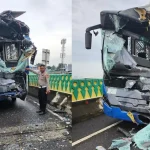
Once the wire is manufactured, the risk doesn’t stop at the warehouse door. Shipping finished products to customers or transporting raw materials from the port to the factory carries significant transportation risks. Overturned trucks, sinking ships, or weather damage during shipping could all wipe out the insurance value of your stock en route.
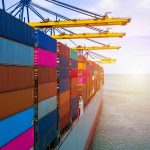
Marine Cargo Insurance protects your wire cargo from its point of departure to its destination. With a Marine Open Cover policy, you can automatically receive coverage for every shipment without having to apply for a new policy each time the truck departs, streamlining your business administration.
Why L&G Insurance Broker Is a Strategic Partner
L&G Insurance Broker, located in South Tangerang, has a long track record of assisting various manufacturing industries in Indonesia. We understand that each wire factory has different risk characteristics.
Our advantages include:
- Precision Occupation Analysis: Ensures accurate placement of OJK Code 2030 codes to avoid future claim issues.
- Strong Policy Wording: We design additional clauses that expand the coverage to protect every aspect of plant operations.
- 24/7 Claims Assistance: When an incident occurs, we are the first party to stand up to defend your interests before insurance companies and Loss Adjusters.
- Premium Efficiency: Use our extensive network to get the best premium deals from leading insurance companies.
As brokers, we don’t work for insurance companies, but rather work exclusively for your interests as the insured. We ensure that every rupiah of premium you pay provides real protection.
Smart Steps to Secure the Future of the Wire Industry
Building a wire manufacturing business requires dedication and significant investment. Protecting these investments through a combination of property insurance, stock insurance, and other financial loss insurance is the most prudent risk management strategy. With a proper understanding of OJK tariff regulations and the right choice of insurance, you can run your business with peace of mind, even though risks are always lurking.
Don’t let your valuable assets be protected by a policy that’s inadequate or doesn’t align with the metals industry’s risk profile. Evaluate your protection now before disaster strikes.
Business certainty starts with the right consultation. We are ready to be your company’s financial bulwark through comprehensive and professional insurance solutions. Contact L&G Insurance Broker now at 08118507773 or via email halo@lngrisk.co.id to consult with our experts and ensure that your Wire Factory’s operational and stock insurance are fully protected.
—
DON’T WASTE YOUR TIME AND SECURE YOUR FINANCES AND BUSINESS WITH THE RIGHT INSURANCE.
HOTLINE L&G 24 JAM: 0811-8507-773 (PHONE – WHATSAPP – SMS)
Website: lngrisk.co.id
Email: halo@lngrisk.co.id
—