



About the author.
Mhd. Taufik Arifin, ANZIIF (Snr. Assoc) presents this article. Taufik is Founder and CEO of L&G Insurance Broker, with over 43 years of direct experience in Indonesian risk management, insurance structuring, governance advisory, and complex claims execution.
His work focuses on protecting foreign investors, boards, institutions, and multinational companies operating in Indonesia by translating local regulatory, operational, ESG, and governance risks into practical, insurable, and executable risk strategies.
The analysis presented reflects real Indonesian loss experience, not theoretical or offshore assumptions.
German Engineering Meets a Market That Tests Endurance
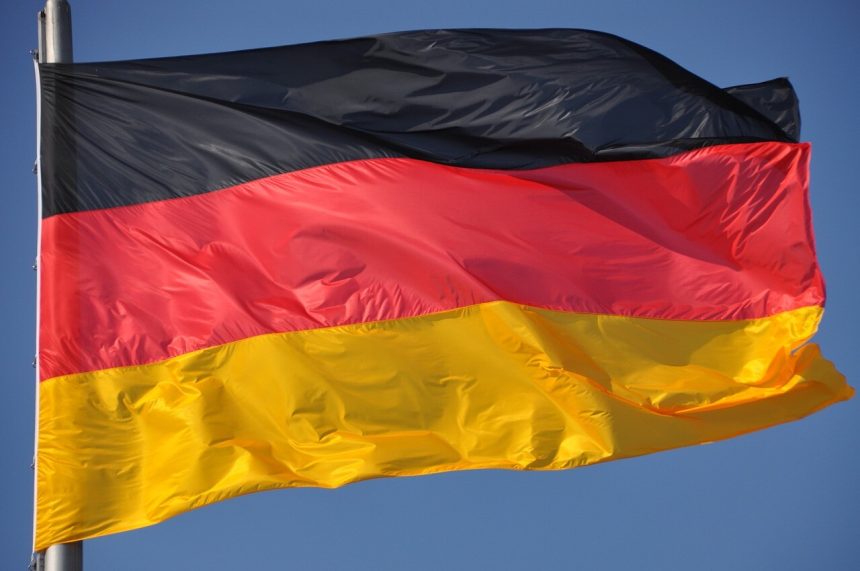
Germany is globally synonymous with engineering precision, industrial resilience, manufacturing excellence, and governance discipline. German companies—whether global multinationals or Mittelstand champions—operate under the regulatory, fiduciary, and ESG expectations of the European Union, where long-term value creation, safety, and accountability are fundamental.
As German capital, technology, and institutions expand in Indonesia, the opportunity is substantial. Indonesia is Southeast Asia’s largest economy, a critical manufacturing and resource hub, and a strategic partner in the global energy transition. It aligns naturally with German strengths in industry, automotive, energy systems, chemicals, logistics, and digital manufacturing.
Yet Indonesia is not a market that rewards technical excellence alone.
It is a market that tests governance, resilience, and preparedness over time.
In Indonesia, German success is determined not by how well systems are designed—but by how well organizations absorb disruption without losing momentum or credibility.
Germany’s Strategic Footprint in Indonesia
Germany has one of the most comprehensive and diversified presences among EU countries in Indonesia, spanning industry, energy, mobility, logistics, finance, and development cooperation.
Industrial, Engineering & Manufacturing
German engineering leadership is visible through companies such as Siemens, Bosch, Thyssenkrupp, BASF, and Krones.
These companies supply power systems, automation, chemicals, industrial equipment, and advanced manufacturing solutions critical to Indonesia’s industrialization.
Automotive & Mobility
German automotive brands—Mercedes-Benz, BMW, and Volkswagen—play a central role in Indonesia’s premium vehicle market, industrial supply chains, and future mobility ecosystem.
Energy, Power & Sustainability
Germany’s energy and sustainability expertise is reflected through RWE and E.ON, supporting Indonesia’s power systems, grids, and energy transition ambitions—often in environments exposed to climate and regulatory risk.
Logistics, Trade & Finance
Global logistics leader DHL underpins industrial and e-commerce supply chains, while Deutsche Bank supports project finance, trade finance, and corporate banking for German investments.
Institutions, Diplomacy & Society
Germany’s long-term engagement is reinforced by the German Embassy Jakarta, AHK Indonesia, Goethe-Institut Indonesia, and GIZ, linking business, education, governance reform, and sustainability.
This footprint signals a clear message: Germany is not experimenting in Indonesia—it is committing.
Indonesia: Scale, Opportunity, and Structural Risk
Indonesia offers German companies:
- A population exceeding 270 million
- Rapid industrialization and urbanization
- Strong demand for power, transport, and manufacturing
- Strategic position in ASEAN and global supply chains
At the same time, Indonesia presents structural risks that differ sharply from European operating environments:
- Floods, earthquakes, and climate volatility
- Archipelagic logistics and infrastructure constraints
- Decentralized regulation with regional interpretation
- High ESG, labor, and community sensitivity
- Public visibility of foreign industrial actors
These risks are not exceptional events—they are recurring conditions.
Core Risk Domains Facing German Companies in Indonesia
- Industrial Asset & Manufacturing Risk
German factories, plants, and industrial installations in Indonesia face exposure to:
- Machinery breakdown and power instability
- Fire and flood in industrial zones
- Supply-chain dependency for spare parts
- Workforce safety and contractor management
In Indonesia, downtime is often more damaging than physical loss, making Business Interruption (BI) protection a strategic necessity.
- Energy, Power & Infrastructure Risk
Power plants, grid infrastructure, and energy projects face:
- Construction and commissioning risk
- Natural catastrophe exposure
- Regulatory and ESG scrutiny
- Long lead times for repair or replacement
Without robust CAR/EAR, DSU, and operational BI insurance, even well-engineered assets can become financially fragile.
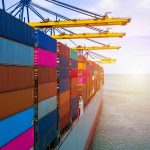
- Supply Chain & Logistics Risk
Indonesia’s geography includes:
- Port congestion and variable handling standards
- Inland transport challenges to remote sites
- Accumulation risk at ports and warehouses
For German manufacturers and OEMs, logistics failure can halt production, delay projects, and damage customer confidence.
- ESG, Environmental & Social Risk
German companies are global ESG leaders—but Indonesia amplifies ESG exposure through:
- Community engagement expectations
- NGO and media scrutiny
- Environmental sensitivity and permitting
Environmental incidents—real or alleged—can trigger regulatory shutdowns, financing delays, and reputational damage.
- Governance, Executive & Liability Risk
Incidents in Indonesia escalate rapidly to:
- Board-level scrutiny
- Regulatory investigation
- Public and political attention
Directors and executives may face personal liability exposure without adequate D&O and professional indemnity protection.
Why German Strengths Can Become Blind Spots
German companies often assume:
- Engineering excellence reduces risk
- Systems and procedures ensure compliance
- Global insurance programs respond universally
In Indonesia, these assumptions fail when:
- Climate disrupts operations
- Local execution differs from design
- Claims require rapid on-the-ground action
Failure is rarely technical. It is organizational and strategic.
Insurance as Strategic Industrial Infrastructure
In Indonesia, insurance must function as:
- Balance-sheet protection
- Cash-flow stabilizer during disruption
- Enabler of financing and investment confidence
- Governance and fiduciary defense
Insurance that is treated as a procurement exercise will underperform. Insurance that is treated as strategic infrastructure preserves enterprise value.
Governance Responsibility Follows Capital
German boards and executives must be able to answer:
- What is our worst-case loss scenario in Indonesia?
- How long can we operate without revenue?
- Are directors and executives personally protected?
- Will claims be executed locally and on time?
If these answers are unclear, risk governance is incomplete.
The Importance of Local Execution and Claims Readiness
Many German companies rely on global insurance programs issued offshore. In Indonesia, outcomes depend on:
- Local regulatory compliance
- Indonesian insurer participation
- Local surveyors, adjusters, and remediation
- Immediate claims advocacy
Resilience is proven at loss time, not at policy issuance.
The Role of Independent Local Risk Partners
An independent broker adds value by:
- Translating German standards into Indonesian reality
- Designing insurance aligned with real exposure
- Stress-testing BI, DSU, and catastrophe scenarios
- Acting independently during claims
For German organizations, brokers are risk translators and continuity partners.
L&G Insurance Broker: Supporting German Success in Indonesia
L&G Insurance Broker supports German industrial groups, manufacturers, energy companies, automotive brands, and institutions with Indonesia-ready risk and insurance solutions.
L&G provides:
- Industrial all-risk and BI programs
- CAR/EAR and DSU for energy and infrastructure projects
- Marine cargo and logistics insurance
- Environmental, liability, and D&O coverage
- Strong local claims advocacy
L&G bridges German engineering excellence with Indonesian operational reality.
From Market Entry to Enduring Presence
Many companies can enter Indonesia successfully.
Fewer remain resilient over decades.
German organizations that endure:
- Integrate risk management into strategy
- Treat insurance as governance infrastructure
- Prepare claims response before incidents occur
- Invest in local execution and oversight
Conclusion: Build a Durable German Legacy in Indonesia
Indonesia is one of the most important long-term markets for German industry, energy, mobility, and technology. But it rewards discipline, preparation, and resilience, not assumptions.
If you are a German board member, executive, investor, or institutional leader operating—or planning to operate—in Indonesia, now is the time to elevate risk and insurance from an operational task to a strategic priority.
Engage with L&G Insurance Broker to ensure your Germany–Indonesia operations are protected by robust insurance architecture, strong local execution, and trusted claims advocacy—so German excellence delivers enduring value in one of the world’s most complex growth markets.
—
DON’T WASTE YOUR TIME AND SECURE YOUR FINANCIAL AND BUSINESS WITH THE RIGHT INSURANCE.
HOTLINE L&G 24 JAM: 0811-8507-773 (CALL – WHATSAPP – SMS)
Website: lngrisk.co.id
Email: halo@lngrisk.co.id
—