



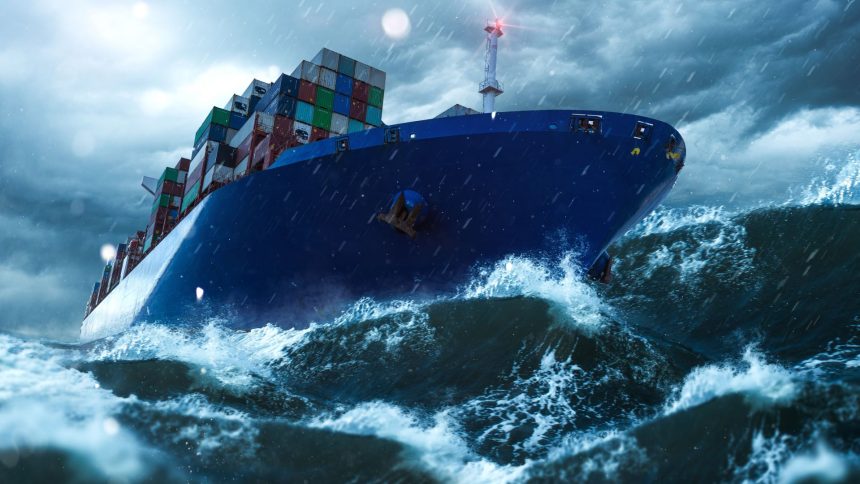
Extreme weather is becoming more frequent: heavy rain, storms, high waves, floods, thick fog… all of which impact the smooth delivery process. In Indonesia, where logistics activities rely on land, sea, and air transportation, severe weather can immediately disrupt distribution schedules, damage goods, and even cause significant losses for businesses.
This is where it is important to understand the various risks of shipping goods and how to minimize it. Because in reality, many losses occur not due to expedition negligence, but rather due to weather conditions that cannot be controlled.
If you want to ensure that your business continues to run smoothly even when the weather is not friendly, you can consult with L&G Insurance Broker via WhatsApp 08118507773 or email halo@lngrisk.co.id.
As a broker, L&G is always on your side, not the insurance company’s, and will accompany you until the claim is paid, so you don’t have to worry about anything.
Extreme Weather That Most Affects Shipping
Indonesia is an archipelagic nation with extensive distribution channels. Therefore, even small changes in weather can have a significant impact on the supply chain. Here are some of the extreme weather conditions that most often cause problems:

- Storms and strong winds
Strong winds can prevent ships from sailing, or cause goods in containers to be pushed, knocked over, or even physically damaged. On land routes, transport vehicles are also at risk of tipping over or losing control.
- High waves
This is a classic cause of containers falling overboard. During the westerly wind season, shipping routes to Eastern Indonesia are among the riskiest. Many cases of significant losses occur because ships are forced to avoid or even return to port.
- Heavy rain and flooding
Water is one of the biggest enemies of logistics. Flooded warehouses, leaking containers, and goods exposed to rainwater during stuffing can all cause damage ranging from dampness and mold to total loss.
- Thick fog
Air and ground shipping were equally affected. Thick fog reduced visibility, so airports and toll roads often experienced temporary closures.
- Extreme heat
For sensitive goods such as pharmaceuticals, food, and electronics, excessive heat can cause quality degradation, even permanent damage.
All of the above conditions contribute to the emergence of Shipping Risks that must be anticipated from the start.
Most Common Problems in the Field
Extreme weather creates many predictable but often overlooked problems. Here are some of the most common issues companies experience:
- Delay in delivery
This is the number one problem. Bad weather can prevent ships from departing, trucks can get stuck in landslides, planes can be delayed, and shipping schedules can be disrupted. The impact can lead to increased customer complaints or even cancellation of contracts.
- Damage to goods due to water
Water damage is the most common cause of claims. It can range from slight dampness to completely rendering the item unusable. Saltwater can even cause much more serious damage.
- Container falls or items are lost
The risksHigh waves, especially during inter-island shipping across open seas, can cause containers to shift, burst open, and be thrown overboard.
- Mechanical damage due to shocks
Items can break, dent, or become dislodged from their original position due to severe shaking. Even well-packed items can still be damaged if shipping procedures aren’t followed properly.
- Additional operational costs
Demurrage, detention, storage costs due to ships or planes not departing … All of these increase shipping costs.
These are the things that make the risk of shipping goods not to be taken lightly.
The Biggest Causes of Losses During Extreme Weather
Major losses usually arise not only from bad weather, but also from inadequate risk management. Some of the main causes of losses are:
- Not doing weather-based route planning
Many shippers do not check wave conditions, port status, or official warnings from BMKG.
- Packaging that does not meet standards
One of the most common causes of damage is packaging that is not waterproof or not palletized.
- Use of inadequate fleet
Deliveries are still forced even though the condition of the transportation equipment is inadequate or the logistics operator does not have an SOP for extreme weather.
- Doesn’t have buffer time
All the schedules were made so tight that when bad weather came, the entire timeline immediately shifted significantly.
- Don’t have insurance
This is the most fatal. Because when damage occurs due to extreme weather, the shipping company is usually not responsible.
How to Minimize Shipping Risks During Extreme Weather
Here are practical steps that companies can take to reduce losses:
- Plan your route based on weather conditions.
Always check BMKG updates, port status, and wave forecasts. If necessary, use alternative routes or departure schedules.
- Usepackaging And palletwaterproof
Packing must be considered, especially for electronics, pharmaceuticals, and perishable goods.
Use:
- wrapping waterproof
- pallet
- safety angle
- markings such as “fragile” or “keep dry”
- desiccant to control humidity
- Choose a logistics operator that has an SOP for extreme weather.
Ask:
- Do they do container checks?
- Do they monitor the weather?
- Do they have a trip tracking report?
- Add buffer time
Don’t force lead times to be like normal seasons. You can add 1–3 days as a precaution.
- Check the condition of the container
Make sure the container is not leaking, is not badly rusted, and the door seal is working properly.
- Use IoT tracking and sensors
This is especially helpful for high-value or temperature-sensitive items.
- Use Cargo Insurance
This isn’t an additional cost, but rather a form of risk mitigation. Cargo insurance can cover damage caused by:
- storm
- flood
- high waves
- transportation accidents
- water damage
- total loss or damage
If this happens, you don’t have to bear the loss alone.
Why Should You Buy Insurance Through a Broker, Instead of an Agent or Insurance Company Directly?
Many people don’t realize that purchasing insurance through a broker is much safer for the property owner. Not because the premiums are cheaper, but because the broker is always on your side, not the insurance company’s.
- Brokers defend the interests of clients, not insurance companies.
Agents work for insurance companies, while brokers work for you. When a claim occurs, brokers who will fight for your rights.
- Brokers accompany you until the claim is actually paid.
This is what agents or insurance companies can’t provide directly. At L&G, you’ll be helped:
- take care of documents
- communicate with underwriters
- discuss with loss adjuster
- monitor the claims process until the money is disbursed
- L&G has experience handling extreme weather claims
Starting from fallen containers, wet goods, flooded warehouses, to total damage.
If you want safer shipping without worrying about administration, simply hand over your insurance matters to L&G.
Losses That Can Occur If You Don’t Have Insurance
Without proper protection, you could experience losses such as:
- Damage to goods (partial or total loss)
All repair or replacement costs are your responsibility.
- Replacing the goods to the buyer
This can lead to lost margins and disrupted cash flow.
- Reshipment fee
If the item is badly damaged, the reshipping costs can be much more expensive.
- Demurrage, detention, and storage costs
When schedules are thrown into disarray due to bad weather, these costs can skyrocket.
- Loss of business reputation
Repeated delays can damage customer trust. Insurance premiums seem small compared to potential losses that can reach tens to billions of rupiah.
Cover
Extreme weather isn’t something you can control. But shipping risks can be effectively managed through proper logistics management, proper packaging, professional carrier selection, and insurance protection.cargo.
Don’t wait for a major loss to seek a solution. Ensure your business continues to run smoothly, safely, and securely.
If you want to ensure every shipment remains safe, let L&G Insurance Broker help. We’ll analyze your risks, process your policy, and accompany you until your claim is paid. Contact us via WhatsApp 08118507773 for FREE consultation.