



The Concrete Manufacturing and Distribution Industry Has High Operational Risks
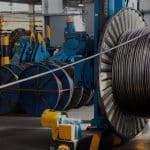
The concrete manufacturing and distribution industry is one of the sectors with a high level of operational risk. Near-constant production, the use of heavy machinery, and the substantial value of assets make this business highly vulnerable to various potential losses. Unfortunately, many concrete factory owners still view insurance as a mere formality, rather than a strategic business protection tool.
In practice, a single incident, whether a fire, machine breakdown, or distribution disruption, can halt a concrete plant’s operations and cause billions of rupiah in losses. This is where it’s crucial to understand that insurance isn’t just an extra expense, but a mandatory requirement for business continuity.
Risk Characteristics in the Concrete Industry
Concrete factories and concrete distributors have unique risk characteristics, including:
- 24-hour high intensity operation
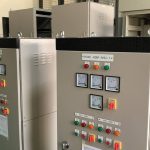
- Heavy dependence on production machines and electricity
- Storage of high-value materials and stocks
- Distribution activities to various construction projects
- Risk of work accidents and third party claims
This combination of risks makes the concrete industry a sector that requires comprehensive and structured insurance protection.
Financial Impact If an Incident Occurs
When such risks actually occur, the impact extends beyond physical asset damage. Production can be halted, project contracts compromised, cash flow disrupted, and business reputation damaged. Without proper insurance protection, these losses must be borne entirely by the company.
For a FREE consultation, contact L&G Insurance Broker today!
Website: lngrisk.co.id
Email: halo@lngrisk.co.id
Customer Service L&G: 08118507773
Why is Insurance a Mandatory Need, Not Just a Supplement?
Many industry players still consider insurance to be “optional.” However, in high-risk industries like concrete manufacturing, insurance is the foundation of sound risk management.
Insurance as a Risk Management Tool
Insurance is not a substitute for machine maintenance or occupational safety procedures. However, it serves the following functions:
- Company balance sheet protector
- Maintaining operational continuity during disruptions
- Unexpected financial risk mitigation tools
With the right insurance, a concrete plant can remain afloat even in the face of a major incident.
Common Mistakes of Concrete Plant Owners
Some common mistakes include:
- The insured value is far below the actual asset value
- Choosing a cheap policy without understanding the coverage provided
- Not renewing the policy when there is an addition of machines or production capacity
These mistakes are often only realized when a claim occurs and the company does not receive the compensation it expected.
All Risks Property Insurance as the Foundation for Concrete Factory Protection
Property All Risks Insurance (PAR)is the primary type of insurance required by concrete factories and distributors. This policy serves as the foundation for protecting the company’s physical assets.
What is All Risks Property Insurance?
Property All Risks insurance provides protection against almost all risks of sudden and unexpected physical loss, except those expressly excluded in the policy. This principle makes PAR much broader than standard property insurance.
Concrete Factory Assets That Must Be Protected
In the context of a concrete plant, property all risks insurance covers:
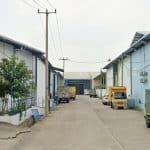
- Factory and warehouse buildings
- Batching plant and production installation
- Production machinery and equipment
- Stock of materials and raw materials for concrete
The value of these assets is huge and is the backbone of business operations.
Risks Assured and Excluded
Commonly covered risks include fire, explosion, electrical short circuit, falling objects, and damage caused by human error. However, there are also exceptions that must be understood, such as natural wear and tear or certain design defects. This is why understanding policy wording is crucial.
An equally important supporting insurance for the concrete industry
In addition to all risks property insurance, concrete factories and distributors require several supporting insurances to ensure optimal protection.
1. Machinery Breakdown Insurance
Machinery breakdown insurance protects against the risk of sudden breakdowns in production machinery and batching plants. Machine breakdowns not only result in expensive repairs but also significant production downtime.
2. Business Interruption Insurance
Business interruption insurance protects against financial losses resulting from a disruption in operations following a property claim. This policy helps cover fixed costs such as employee salaries, installments, and overhead during a production stoppage.
3. Third Party Liability Insurance
Concrete manufacturing and distribution activities have the potential to cause harm to third parties, including physical injury and property damage. Third-party liability insurance protects against lawsuits that could drain a company’s finances.
4. Freight Insurance
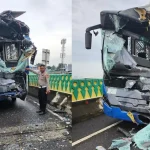
For concrete distributors, transportation insurance is crucial to protect against risks during the material distribution process to project sites. Accidents, damage, and even loss can occur at any time.
Case Study: Real Risks in Concrete Plants and Distributors
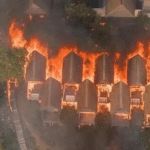
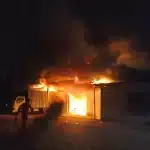
Imagine a concrete factory experiencing a fire in the production area due to an electrical short circuit. In addition to damage to buildings and machinery, production is completely halted for months. Major projects are threatened with failure, and the company is left with operating costs without income.
In other cases, sudden breakdowns at batching plants can cause extensive downtime. Without machinery breakdown and business interruption insurance, the resulting losses can far exceed the annual premium.
Fatal Mistakes in Concrete Plant Insurance Management
1. The insurance value does not match
Underinsurance is the most common fatal error. When the insured value is lower than the asset value, the company is subject to the average clause and receives only partial compensation.
2. Policy Not Adjusted to Actual Activity
Changes in business activity, such as adding machinery, increasing production capacity, or expanding distribution, are often not reported. As a result, insurance coverage becomes irrelevant when a claim occurs.
Why is the Role of Insurance Brokers So Crucial for Concrete Factories and Distributors?
Insurance brokers are more than just intermediaries selling policies. In the concrete industry, brokers act as risk management partners.
Brokers are not Police Salesmen
Insurance brokers help:
- Analyze risks comprehensively
- Establishing the right protection structure
- Negotiating policy wording to suit industry needs
The Difference Between Brokers and Buying Your Own Insurance Policy
With a broker, concrete plant owners get:
- Clarity of coverage
- Assistance during claims
- Business risk-based strategic advice
L&G Insurance Broker: A Security-Oriented Concrete Industry Protection Partner
L&G Insurance Broker is present as a strategic partner for concrete factories and distributors in managing risks professionally.
A Risk-Based Approach, Not Just Selling Policies
L&G Insurance Broker starts with a thorough risk analysis, not a product. Each coverage is tailored to the business scale, asset type, and concrete plant operations.
Claims Assistance Until Completion
We don’t stop when the policy is issued. L&G Insurance Brokers assist clients from the initial incident to optimal claim resolution, including negotiations with the insurance company.
Concrete Plant Protection Consultation
Through initial risk consultation, L&G Insurance Broker helps ensure that insurance truly serves as a business protector, not just an administrative document.
Conclusion
In the high-risk concrete manufacturing and distribution industry, insurance is no longer a mere formality but a crucial part of a business continuity strategy. Without proper protection, a single incident can halt operations, disrupt cash flow, and threaten business continuity. With a properly designed insurance structure, ranging from Property All Risks coverage to other supporting coverages, concrete factories can operate with greater peace of mind and control.
L&G Insurance Broker is ready to be your strategic partner in developing insurance coverage tailored to the real risks of your concrete business. Contact the L&G Insurance Broker team for a professional risk consultation and policy evaluation, ensuring your assets, operations, and potential business losses are optimally protected.
For a FREE consultation, contact L&G Insurance Broker today!
Website: lngrisk.co.id
Email: halo@lngrisk.co.id
Customer Service L&G: 08118507773