



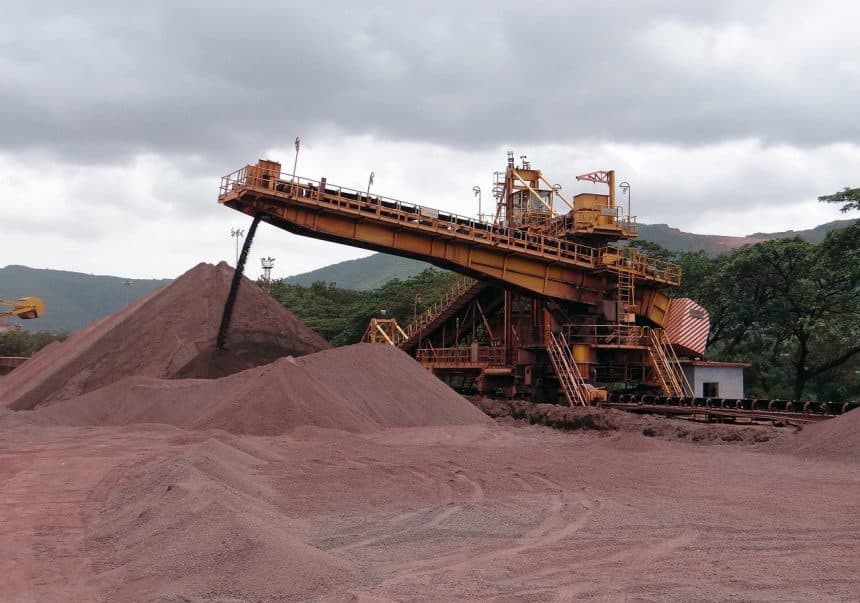
The base metals industry, from iron mine operations to processing in blast furnaces and iron foundries, is a sector with exceptionally high capital intensity and extreme physical risks. Managing risk in this sector cannot be achieved simply by relying on a single policy. Integration of property all-risk insurance with supporting insurance coverage such as machinery breakdown, business interruption, and marine cargo is essential.
This article will discuss in depth how premium rates based on OJK occupational code 202 (specifically 2020) form the foundation of protection, as well as how to combine various insurance policies to protect your Primary Metal Product assets from billions of rupiah in losses. As a specialist heavy industry insurance broker based in South Tangerang, L&G Insurance Broker is here to design precise, multi-layered protection for your industrial assets. Contact L&G Insurance Broker now on 08118507773 for consultation with our experts.
The Urgency of Asset Protection in the National Iron and Steel Industry
The upstream steel industry is the backbone of infrastructure development. However, operations in iron mines involve complex geotechnical risks, extensive use of heavy equipment, and the potential for natural disasters that can wipe out your investment in an instant. Once the iron ore leaves the mine, the subsequent processing in blast furnaces involves extreme temperatures that can exceed 1,500 degrees Celsius.
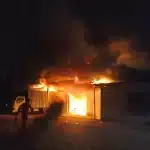
This uncertainty requires every metal industry entrepreneur to have a solid risk mitigation strategy. Property insurance is no longer merely an administrative supplement, but a vital component of capital management. Without protection specifically designed for heavy industry, a small incident in a furnace’s cooling system could trigger an explosion that paralyzes the entire Primary Metal Product production line.
Understanding Property All Risk Insurance for Metallurgical Facilities
For metal industry players, the most recommended type of insurance is property all-risk insurance (PAR). Unlike standard fire insurance, PAR provides much broader coverage. Its primary principle is to cover all sudden and unexpected physical damage, as long as the risk is not specifically excluded in the policy.
In the context of Iron Foundries and smelting facilities, the scope of the PAR should include:
- Physical Damage: Damage to factory buildings, furnace structures, and supporting machinery.
- Explosion: Very high risk in Blast Furnaces operations.
- Fire and Lightning: Considering the large number of electrical components in industrial facilities.
- Natural Disasters: Earthquakes, floods, and landslides can damage mining infrastructure structures.
Policy wording for the metallurgical industry is highly technical. Mistakes in selecting additional clauses can result in claim denials in the event of internal damage to production machinery. To ensure coverage that truly protects every inch of your production facility, assistance from an insurance broker who understands the technical language of your industry is essential.
The Complexity of Steel Industry Risks: Why Is One Layer of Protection Not Enough?
The upstream steel industry is the backbone of national infrastructure development. However, operations in iron mines involve complex geotechnical risks, extensive use of heavy equipment, and the potential for natural disasters that can wipe out your investment in an instant. Once the iron ore leaves the mine, the subsequent process in blast furnaces involves extreme temperatures that demand robust materials and perfect mechanical systems.
Risks are not only external, such as fire or flood, but also internal, such as sudden machine breakdowns or failed smelting processes. Therefore, a property insurance strategy should be viewed as a foundation, reinforced by other protection instruments. Without careful planning, gaps between policies can open the door to uninsured financial losses.
Dissecting Property All Risk Insurance (PAR) and the OJK 202 Occupational Foundation
The primary type of insurance that provides “umbrella” coverage for factory buildings and infrastructure is property all-risk insurance (PAR). In Indonesia, PAR insurance premium rates are strictly regulated by the Financial Services Authority (OJK) through an occupational code system. For the iron and steel industry, the primary classification falls under OJK occupation 202.
Explanation of OJK Occupational Premium Rate 202 (2020 Derivative)
It is important to understand that OJK has set the 2020 derivative number specifically for the following categories:
- Iron Mines: Iron ore mining operations both open and underground.
- Blast Furnaces: Operation of blast furnaces for iron extraction.
- Iron Foundries: Iron casting facilities.
- Primary Metal Product: Other primary base metal production facilities.
The OJK occupation code 202, with its derivative 2020, is the standard code that determines the basic premium rate. It should be noted that this code is specifically used for property insurance policies (PAR). The OJK sets floor and ceiling rates to ensure insurance companies adhere to legal standards. However, the final figure between these limits is highly dependent on the results of field risk surveys.
Due to the complexity of determining whether an asset falls into the 2020 category or other metals industry categories, it’s crucial to work with a consultant with technical experience. Understanding the detailed explanation of the premium rates set by the Financial Services Authority (OJK) under occupation code 202 requires sharp analytical skills to prevent your company from being overpriced or misdeclared.
Machinery Breakdown (MB) Integration: Protecting the “Heart” of Operations
While property all-risk insurance covers damage from fire, explosion, and natural disasters, standard PAR policies often exclude internal damage to machinery caused by mechanical or electrical faults (e.g., internal short circuits or mechanical derangement). This is where Machinery Breakdown (MB) insurance comes in.
In blast furnaces and iron foundries, machines such as air compressors, furnace cooling systems, and molding machines are vital assets. If a blast furnace’s cooling system suddenly fails, the furnace could explode or freeze, resulting in a total loss of the unit. MB insurance will cover the repair or replacement costs of these machines. The integration of PAR and MB ensures there is no “grey area” between damage caused by external factors and damage caused by internal factors.
Business Interruption: Ensuring Cash Flow Continuity
The greatest losses in the Primary Metal Products industry often lie not in the cost of physical repairs, but in the months-long production shutdown. When an Iron Foundry unit catches fire, the company’s revenue stops immediately, but fixed costs such as employee salaries, bank interest, and maintenance continue.
Business Interruption (BI) insurance is usually attached to a property all-risk insurance policy. This policy will cover gross profit losses during the operational recovery period. Your insurance broker will help you calculate the appropriate indemnity period—whether 12 months, 18 months, or 24 months—depending on how long it will take to re-import a new blast furnace in the event of a total loss.
Smart risk management always includes BI in their protection packages. Without the assistance of a broker to calculate accurate BI coverage, companies risk underinsurance. If you want to ensure your company’s cash flow remains secure in the event of a major disaster, Contact L&G Insurance Broker now on 08118507773 for consultation with our experts.
Marine Cargo: Protecting the Supply Chain from Mine to Factory
Iron mine operations are often located far from processing sites or ports. Transporting raw iron ore and semi-finished products involves high travel risks, both by land and sea. Marine cargo insurance is an integral complement.
This insurance protects your iron commodities from ship accidents, truck overturns, and loss during transit. Given the massive volume of transport carried by the iron industry, Marine Cargo premiums are typically calculated based on annual declared volume. Integrating freight insurance with warehouse inventory insurance (property insurance) ensures your assets are protected from the mine to the end consumer.
Public Liability: Legal Responsibility to Third Parties
The mining and smelting industries involve activities that pose a high risk to the safety of others and the environment. If an explosion occurs in a blast furnace that causes damage to neighboring property or injury to third parties, your company could face significant legal liability.
General Liability or Third Party Liability insurance provides protection against legal defense costs and compensation payments resulting from third-party claims. Within the industrial insurance ecosystem, this policy stands alone but is closely related to physical incidents that occur to a company’s property assets.
Why is L&G Insurance Broker Your Strategic Partner in South Tangerang?
Putting together an insurance puzzle consisting of PAR (OJK occupation 202), MB, BI, Cargo, and Liability requires a highly skilled broker. L&G Insurance Broker doesn’t just sell policies; we provide comprehensive risk management.
As a broker located in South Tangerang, we offer the following advantages:
- Comprehensive Policy Audit: We ensure that the 2020 code placement on your property insurance complies with OJK regulations, while still providing comprehensive coverage.
- Premium Structure Negotiation: We combine your various risks to gain a stronger bargaining position with insurance companies, so you get premium efficiency.
- Integrated Claims Assistance: If a disaster occurs involving property damage, machine damage, and business interruption simultaneously, we will coordinate all claims so that they are disbursed efficiently.
- Local Expertise, Global Standards: We understand OJK regulations in Indonesia but apply international risk analysis standards for heavy industry.
Always partner with an insurance broker like L&G who truly understands this, because the Primary Metal Products industry is too valuable to risk with generic insurance without expert support.
Conclusion
The iron and steel industry is a foundation for economic progress, yet its operations are fraught with challenges. By integrating property all-risk insurance based on OJK occupation code 202 with Machinery Breakdown, Business Interruption, and liability insurance, you’ve built a strong defense for your investments.
Remember that insurance premiums are an investment in future security, not just an operational expense. In the fiercely competitive metals industry, financial resilience during a crisis is key to your business’s success.
Smart action begins with an in-depth risk consultation. Let’s discuss how we can optimize the protection of your mining and plant assets in the most efficient and regulatory-compliant manner. Contact L&G Insurance Broker now on 08118507773 for consultation with our experts and ensure every aspect of your iron industry business is fully protected.
—
DON’T WASTE YOUR TIME AND SECURE YOUR FINANCIAL AND BUSINESS WITH THE RIGHT INSURANCE.
HOTLINE L&G 24 JAM: 0811-8507-773 (CALL – WHATSAPP – SMS)
Website: lngrisk.co.id
Email: halo@lngrisk.co.id
—