



Accidents and fires have continued to occur in various parts of Indonesia in recent days. These range from pile-ups on toll roads and vehicle fires at rest areas to tragic incidents in industrial areas, lodgings, traditional markets, and shipyards. These incidents have not only caused significant material losses but also claimed lives and disrupted business and operational activities.
Every accident essentially reflects the same thing: risks can arise anytime and anywhere, whether on roads, in businesses, industrial facilities, or even in the maritime transportation sector. Without proper risk management and adequate financial protection, a single incident can have a significant impact on both individuals and companies.
Here’s a summary of the 7 most recent accidents in Indonesia that shocked the public, complete with a risk analysis and the types of insurance coverage needed to mitigate the impact of future losses.
A pile-up on the Semarang-Solo Toll Road resulted in a truck colliding with two other trucks, killing one passenger.
A traffic accident involving three trucks occurred on the Semarang–Solo Toll Road KM 431.400 Lane B, precisely in the Beji Subdistrict, East Ungaran District, Semarang Regency, Central Java, on Saturday (7/3) at around 09.55 WIB.
The incident involved a tronton truck with police number H 9701 OH, a Mitsubishi truck R 9553 DT, and a Hino tanker truck AD 8399 HB. Based on police information, the accident began when the tronton truck driven by Danu Prabowo (37), a resident of Semarang City, was traveling from Bawen towards Semarang.
Upon arriving at the scene, the trailer truck collided with a Mitsubishi truck in front of it. The violent impact then continued when the trailer truck struck a Hino tanker truck that was stopped on the shoulder of the road due to engine trouble.
As a result of the accident, a passenger in a tronton truck named Muis (24) died. Meanwhile, the driver of the Hino tanker truck, Pantom Tri Wahono (43), suffered injuries after being hit by debris from the vehicle while in an irrigation channel near the scene of the incident.
The Semarang Police Traffic Unit’s Law Enforcement Unit is currently conducting further investigations to determine the exact cause of the accident. Police will also question the drivers and witnesses once their conditions are stable.
Risk Accident Review
Accidents involving commercial vehicles on toll roads demonstrate the high risk of chain collisions on high-speed lanes. Factors such as insufficient safety distances, limited visibility of vehicles stopped on the shoulder, and speed differences between heavy vehicles often trigger chain collisions. The resulting losses include not only vehicle damage but also fatalities, injuries, medical expenses, and potential third-party lawsuits. For logistics or freight transportation companies, such incidents can also disrupt the distribution chain and increase reputational risk. Without adequate insurance coverage, the burden of multi-party claims can place significant financial strain on both vehicle owners and operators.
Types of Insurance Needed
- Commercial Vehicle Insurance (Comprehensive)
Covers physical damage to vehicles due to collisions, rollovers, or accidents on toll roads. - Third Party Liability (TPL)
Provides protection against third party losses, including damage to other vehicles and injury to victims. - Personal Accident Insurance (Driver & Passenger)
Provides death or permanent disability benefits for drivers and passengers of vehicles. - Cargo Insurance (if carrying a load)
Protects transported goods from damage or loss due to vehicle accidents.
In the transportation and logistics industry, multiple accidents on toll roads are one of the operational risks with the greatest potential for loss because they involve heavy vehicles, high speeds, and many parties in a single incident.
As an insurance broker and consultant, it is crucial to ensure that every commercial fleet is protected with a comprehensive insurance program and supported by strict driving safety management to minimize the potential for future financial and legal losses.
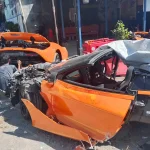
A car suddenly caught fire at a rest area on the Cipali Toll Road. Flames emerged from the hood while the owner was praying.
A sport utility vehicle (SUV) reportedly caught fire in the parking area of the KM 130 B Rest Area towards Jakarta on the Cikopo–Palimanan (Cipali) Toll Road, Indramayu Regency, West Java, on Sunday (March 8, 2026) at around 12:40 p.m. WIB. At the time of the incident, the vehicle was parked while the driver was praying in a prayer room at the rest area.
Smoke was first seen billowing from the hood of the vehicle before the fire grew and spread to parts of the car’s body. The incident attracted the attention of visitors to the nearby rest area. Fortunately, there were no fatalities or injuries in the incident.
After receiving a report from the rest area security officer, the toll road patrol team immediately headed to the scene and arrived around 12:52 a.m. WIB to administer initial control. According to witnesses at the scene, the fire is believed to have originated in the vehicle’s engine, which then ignited a larger blaze.
Officers then coordinated with the Subang Regency Government firefighting team, which deployed two fire trucks to assist in the extinguishing process. The fire was finally completely extinguished around 2:05 p.m. WIB after officers confirmed there were no more hotspots that could potentially reignite.
The toll road operator confirmed that the incident did not disrupt traffic on the main Cipali Toll Road because the fire was located in a rest area parking lot. However, officers secured the surrounding area to prevent crowds from approaching while the fire was extinguished. The initial suspicion is that the fire was caused by an electrical short circuit in the vehicle’s engine, but the exact cause is pending further investigation.
Risk Accident Review
Vehicle fires that occur while parked are generally related to electrical short circuits, overheating engine components, or fuel system failure. This risk remains high even when the vehicle is not in operation, especially for vehicles that have recently been used on long-distance trips. If a fire occurs in a public area such as a rest area, the potential damage can spread to other vehicles and public facilities, and even lead to third-party liability claims. In addition to the total loss of the vehicle, the owner also potentially faces evacuation costs and damage to surrounding property. Without adequate vehicle insurance coverage, the vehicle owner must bear the financial losses, which can reach hundreds of millions of rupiah.
Types of Insurance Needed
- Comprehensive Motor Vehicle Insurance (All Risk)
Covers vehicle damage due to fire, electrical short circuits, accidents, or other risks. - Total Loss Only (TLO) Insurance
Provides replacement if the vehicle is totally damaged or lost due to a major fire. - Third Party Liability (TPL)
Protects vehicle owners from third party claims for damages if a fire damages other vehicles or public facilities. - Personal Accident Insurance (Driver & Passenger)
Provides compensation in the event of injury or death due to a vehicle accident.
On long-distance trips, vehicle risks not only occur when the car is moving on the road, but can also arise when the vehicle is stopped or parked.
As an insurance broker and consultant, the best mitigation step is to ensure the vehicle is protected with the right insurance policy and to carry out regular checks on the electrical and engine systems to reduce the potential for fires that can occur suddenly.
Welding Sparks Hit Tiner! Workshop and House in Buleleng Burned Down, Losses Reach Rp500 Million
A fire engulfed a welding workshop that also served as a residence in Hamjar Dinas Tunjung Mekar, Bubunan Village, Seririt District, Buleleng Regency, Bali, on Monday (March 9, 2026). The incident caused material losses estimated at around Rp 500 million.
The building that caught fire was known to belong to Gede Merta alias Dodok (68), a self-employed person who lived and ran a business at the location. Although there were no fatalities, the fire destroyed the workshop building, various work equipment, and a number of the victim’s valuables.
Police, having received a report from the public via the 110 emergency service, immediately went to the scene to secure the scene. Officers from the Buleleng Police, along with personnel from the Seririt Police, then carried out initial response while awaiting the firefighting team, assisted by local residents, to extinguish the fire.
According to witnesses and workshop workers Kadek Sumantri (50) and Ketut Didit (30), the fire broke out during welding operations. Sparks from the welding process allegedly ignited thinner in the work area. The fire quickly spread due to the presence of flammable materials in the workshop.
As a result, the fire spread rapidly, engulfing workshop equipment and parts of the building adjacent to the victim’s house. In addition to the building and work equipment, several valuables, such as gold jewelry and important documents belonging to the victim, were also reportedly destroyed.
The fire was finally extinguished after a joint effort by firefighters, police, and local residents. Police are currently investigating to determine the exact cause of the fire.
News source: https://updatebali.com/bengkel-las-di-seririt-kebakaran-kerugian-capai-rp500-juta/
Risk Accident Review
Fires in welding workshops fall under the industrial workshop fire risk category, which has a high potential for sparks due to the welding activity (hot work). If the welding process is carried out near flammable materials such as thinner, paint, or chemical solvents, the risk of ignition and fire spread increases dramatically. In addition to damage to buildings and work equipment, losses can also include personal assets, important documents, and the interruption of business activities. The risk is even greater when the workshop is connected to a residential building. Without the implementation of hot work safety procedures, chemical separation, and adequate insurance coverage, such fires can cause significant financial losses for small businesses and households.
Types of Insurance Needed
- Property All Risks (PAR)
Covers damage to house and workshop buildings due to fire, explosion and other risks. - Stock Insurance
Covers the loss of work materials such as metal, paint, thinner and other materials that are burned. - Public Liability Insurance
Provides protection if a fire causes loss to property or the safety of third parties. - Business Interruption Insurance
Replacing potential loss of income due to the workshop business ceasing operations after the fire.
In workshops and hot work-based jobs such as welding, small sparks can turn into large fires if they are near flammable materials.
As insurance brokers and consultants, it is crucial for business owners to implement strict workplace safety standards and ensure insurance coverage covers buildings, business equipment, and potential legal liabilities to ensure business continuity despite the risk of fire.
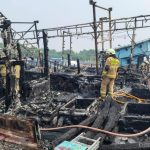
A makeshift market in Blora was engulfed in flames in the middle of the night. Nine stalls and one house were destroyed, causing losses of up to Rp2.2 billion.
A massive fire engulfed the People’s Emergency Market on Jalan Raya Ngawen-Japah, Ngawen District, Blora Regency, Central Java, on Saturday (March 7) at around 11:30 p.m. WIB. The incident destroyed nine vendor stalls and one resident’s home near the market.
According to police, the fire is suspected to have been caused by an electrical short circuit originating from an electrical outlet in one of the vendors’ makeshift kiosks. The sparks were first noticed by Suwadi, a nearby homeowner. He saw flames emerging from the kiosk and quickly spreading to the roof of the largely wooden building.
Suwadi tried to extinguish the fire with water, but the flames continued to grow, prompting him to seek help from local residents. The residents then reported the incident to the fire department.
About ten minutes after the report was received, a fire brigade from the Ngawen District arrived on the scene. However, by then, the fire had spread to several other kiosks. Officers finally managed to control and extinguish the fire after approximately an hour of efforts.
There were no fatalities in the incident, but material losses are estimated to reach around IDR 2.225 billion due to damage to traders’ kiosks and one resident’s house.
Risk Accident Review
Fires in makeshift markets are high risk because they typically use semi-permanent construction such as wood, tarpaulin, and other lightweight, flammable materials. Furthermore, electrical installations in kiosks are often temporary and do not meet safety standards, increasing the potential for short circuits. When one kiosk catches fire, the fire can quickly spread to other kiosks due to the close proximity and the large amount of flammable merchandise. The impact of losses extends not only to the kiosk structure but also to the loss of inventory, disruption to vendors’ economic activities, and potential third-party claims. Without adequate insurance coverage, vendors can suffer significant financial losses.
Types of Insurance Needed
- Property All Risks (PAR)
Covers damage to kiosk buildings and market facilities due to fire or other risks. - Stock Insurance
Protecting traders’ merchandise from damage or loss due to fire. - Public Liability Insurance
Provides protection if a fire causes loss to property or the safety of other parties. - Business Interruption Insurance
Replacing potential lost revenue due to trading activities being halted following a fire.
In a traditional market or emergency market environment, the concentration of flammable merchandise and non-standard electrical installations make the risk of fire much higher than in modern commercial buildings.
As an insurance broker and consultant, important mitigation measures include ensuring a safe electrical installation system, segregating flammable storage areas, and ensuring insurance coverage that safeguards business assets and the economic sustainability of traders.
A Mattress Production Warehouse in the Olympic Industrial Area Burns to a Large Capacity! A Pile of Foam Fuels the Rapidly Growing Flame
A massive fire broke out at a mattress production warehouse owned by PT Putra Borneo Barat in the Olympic Factory industrial area on Jalan Adi Sucipto, Limbung Village, Sungai Raya District, Kubu Raya Regency, on Tuesday evening (March 3, 2026). The blaze destroyed almost the entire warehouse and sparked panic among employees and residents in the area.
The incident was first discovered around 6:50 PM WIB (Western Indonesian Time) when an employee monitoring the warehouse area via surveillance cameras noticed unusual smoke coming from the production materials storage room. Upon immediate inspection, the fire was discovered to have spread around a pile of foam, the primary material used to make mattresses.
The flammable foam material caused the fire to spread rapidly to various parts of the warehouse. Several workers attempted to extinguish the blaze using portable fire extinguishers (APAR), but the flames continued to spread, rendering these efforts ineffective.
At around 7:00 PM WIB, several firefighting units from Redam 22 and the Kubu Raya Regency Fire Department arrived at the scene to extinguish the fire. Officers attempted to contain the fire to prevent it from spreading to other buildings in the industrial area.
The firefighting process took quite a while due to the large amount of flammable materials inside the warehouse. The fire was finally extinguished around 8:15 PM WIB after officers worked intensively with water spraying. During the firefighting process, police officers secured the surrounding area to prevent residents from approaching the scene.
Fortunately, all employees managed to escape, so there were no fatalities or injuries in the incident. Police are currently investigating to determine the exact cause of the fire, while the company is still collecting data to estimate the total material losses.
News source: https://beritaborneo.com/main/kebakaran-besar-hanguskan-gudang-kasur-di-limbung/
Risk Accident Review
Fires in mattress manufacturing facilities have a very high fire load because they involve flammable polyurethane-based foam materials that generate high heat. When a fire occurs in a raw material storage area, it can spread rapidly due to the lightweight and porous nature of the material. In addition to damage to buildings and production machinery, the risk of loss also includes loss of raw materials, semi-finished goods, disruption to the production chain, and potential factory shutdowns. Without adequate fire protection systems such as sprinklers, smoke detectors, and separation of raw material storage areas, incidents like these can escalate into billions of rupiah in industrial losses and impact a company’s business continuity.
Types of Insurance Needed
- Property All Risks (PAR)
Covers damage to factory and warehouse buildings due to fire, explosions, or other industrial risks. - Machinery Breakdown Insurance
Protect mattress production machines from damage due to fire or operational failure. - Stock Insurance (Raw Material & Finished Goods)
Covering losses of raw materials such as foam, fabric, and mattress products stored in the warehouse. - Business Interruption Insurance
Compensate for lost profits due to the cessation of factory operations after a fire. - Public Liability Insurance
Provides protection if a fire causes damage to property or third parties around the industrial area. - Fire Insurance (Industrial Fire Insurance)
Provides basic protection against fire, lightning and explosion risks in industrial facilities.
In manufacturing industries that use highly flammable materials, a small fire can develop into a large fire in a short time.
As an insurance broker and consultant, our risk mitigation strategy encompasses not only a robust fire safety system but also a comprehensive insurance program structure to protect plant assets, production continuity, and the company’s financial stability in the event of a major incident.
Paduppa Resort in Bulukumba Burns to the Ground! One Occupant Dies After Being Trapped Inside the Toilet
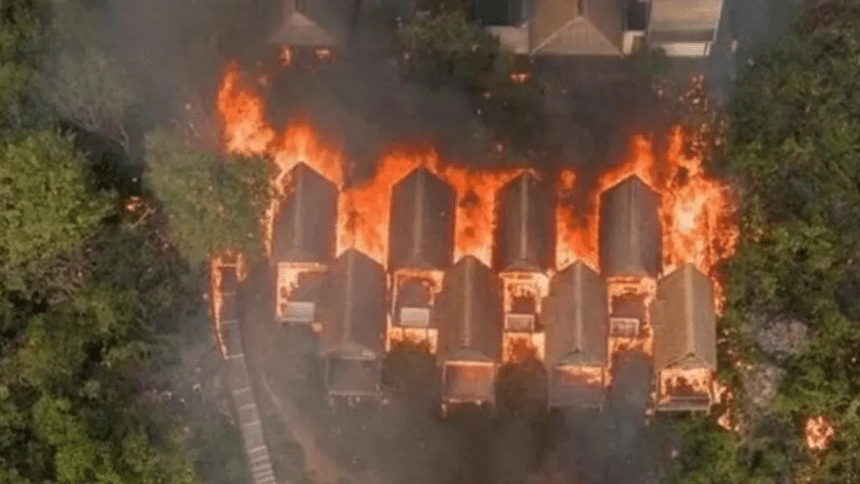
A massive fire engulfed the Paduppa Resort, a guesthouse in Bulukumba Regency, South Sulawesi, on Tuesday afternoon (March 3, 2026). The fire quickly engulfed the building, located on the main route to Bulukumba’s southern coastal tourist area.
The incident shocked local residents and tourists in the area. A resident living nearby reported that flames were seen spreading from the accommodation building, causing panic in the area.
This incident was also widely discussed on social media so that many residents came to the scene to witness the fire handling process.
Based on information in the field, one guest of the inn died after allegedly being trapped in the toilet when the fire broke out.
Head of Public Relations and Public Services of the Bulukumba Regency Communication and Informatics Service, Andi Ayatullah Ahmad, confirmed the incident.
The Acting Head of the Bulukumba Regency Public Order Agency and Fire Department, Andi Hasbullah, explained that his office received a report of the fire at around 12:35 a.m. WITA. Upon receiving the report, officers immediately deployed two fire engines to the scene to extinguish the fire.
Until the afternoon, the process of extinguishing the fire and combing the building was still being carried out by officers to ensure that no other victims were trapped inside the accommodation building.
Risk Accident Review
Fires in accommodation or resort facilities are high risk because they involve temporary occupancy with fluctuating guest occupancy levels. The abundance of interior materials, such as wood, furniture, fabrics, and room amenities, can accelerate the spread of fire when they occur. In addition to structural damage, these incidents can also potentially result in loss of life because guests are not always aware of evacuation routes or building safety systems. The impact of these losses extends beyond property damage to the property itself, including legal liability claims from victims’ families, disruption to tourism operations, and damage to business reputations. Without adequate fire protection systems and insurance coverage, such incidents can result in significant financial losses for accommodation owners.
Types of Insurance Needed
- Property All Risks Insurance (PAR)
Protecting resort buildings, room facilities, and property assets from the risk of fire or other damage. - Public Liability Insurance
Provides protection against third party claims, including guests who are injured or die due to incidents in the accommodation area. - Business Interruption Insurance
Reimburse potential loss of revenue due to the cessation of resort operations following the fire. - Employers Liability / Work Accident Insurance
Protect employees in the event of a work accident during the operational activities of the accommodation.
In the hospitality industry, guest safety is crucial. Therefore, in addition to implementing fire protection systems such as alarms, sprinklers, and evacuation routes, accommodation managers also need a comprehensive insurance program to protect business assets and minimize the financial impact in the event of an unforeseen incident.
Tugboat Crushed by Cargo Ship at Batam Shipyard! 3 Crew Members Killed, 1 Remains Missing During Ship Towing Operation
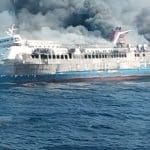
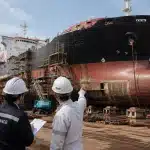
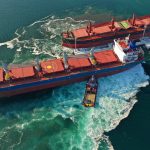
A tragic maritime accident occurred in the PT ASL Tanjung Uncang shipyard industrial area in Batam City, Riau Islands, on Friday afternoon (March 6). A tugboat reportedly capsized after being crushed by a cargo ship while towing the vessel into the docking area.
In the incident, there were five crew members on the tugboat. Three were declared dead, one survived, and the other is still being searched for by the joint SAR team.
The deceased were identified as Abdul Rahman, the ship’s captain; Guntur Pardede, the chipper; and Jhonson Bertuahman Damanik, the chief engineer (KKM). One crew member, M. Habib Ansyari, survived. Yusuf Tankin, the second engineer, is still missing.
The three victims who died have been evacuated to Mutiara Aini Hospital in Batam. The joint SAR team is currently continuing the search for the missing victims while awaiting high tide to facilitate the evacuation process.
According to the Head of the Tanjungpinang National Search and Rescue Agency (Basarnas), the accident occurred while the tugboat was towing the cargo ship Kyparissia, which was about to be docked at a shipyard. During the towing process, the tugboat was positioned below the cargo ship at low tide, causing the ship to become wedged and capsize.
Risk Accident Review
Incidents involving tugboats being crushed by cargo ships in shipyards are a high-intensity maritime risk that frequently occurs during towing and docking operations. Tidal conditions, the position of large vessels, and limited maneuverability in the docking area increase the potential for crush accidents for smaller towing vessels. The impacts include not only the loss of the vessel but also crew fatalities, disruption to port operations, and potential legal liability claims between ship operators. Without strict navigation management, disciplined towing safety procedures, and adequate maritime insurance coverage, a single accident can trigger significant financial losses and complex legal consequences.
Types of Insurance Needed
- Marine Hull & Machinery Insurance
Covers damage or loss of tugboat due to marine accidents, collisions, or capsizing during operations. - Protection & Indemnity (P&I Insurance)
Protects ship owners from legal liability claims against crew, death, injury, or third parties. - Crew Personal Accident Insurance
Provides compensation for death or permanent disability for crew members due to work accidents at sea. - Wreck Removal Insurance
Cover the costs of lifting the wreck if required by the port authority or maritime regulator.
In the maritime industry, towing and docking operations are among the activities with the highest risk levels because they involve vessels of very different sizes and weights.
As an insurance broker and consultant, it is important to ensure that ship operators have strict safety procedures and a comprehensive maritime insurance coverage structure to protect ship assets, crew safety, and potential legal liabilities that may arise from maritime accidents.
Conclusion
The series of incidents above demonstrates that accident risks are not limited to one sector. Land transportation, manufacturing, small businesses, traditional markets, and even the tourism and maritime sectors all have varying levels of potential risks. When incidents occur, the impact can be widespread, ranging from asset damage and disruption to business operations, to loss of life and third-party lawsuits.
KIn that arena, the best approach is not only to focus on prevention through occupational safety standards, but also to ensure that there is comprehensive insurance protection to maintain financial stability when risks cannot be avoided.
As insurance brokers and consultants, our important role is to help companies and individuals identify risks, develop appropriate protection strategies, and ensure that every asset and operational activity is optimally protectedWith good risk management, the impact of unexpected events can be minimized, thereby maintaining business continuity and financial security.