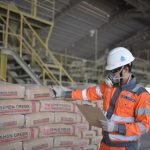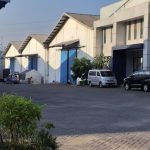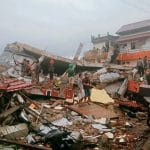




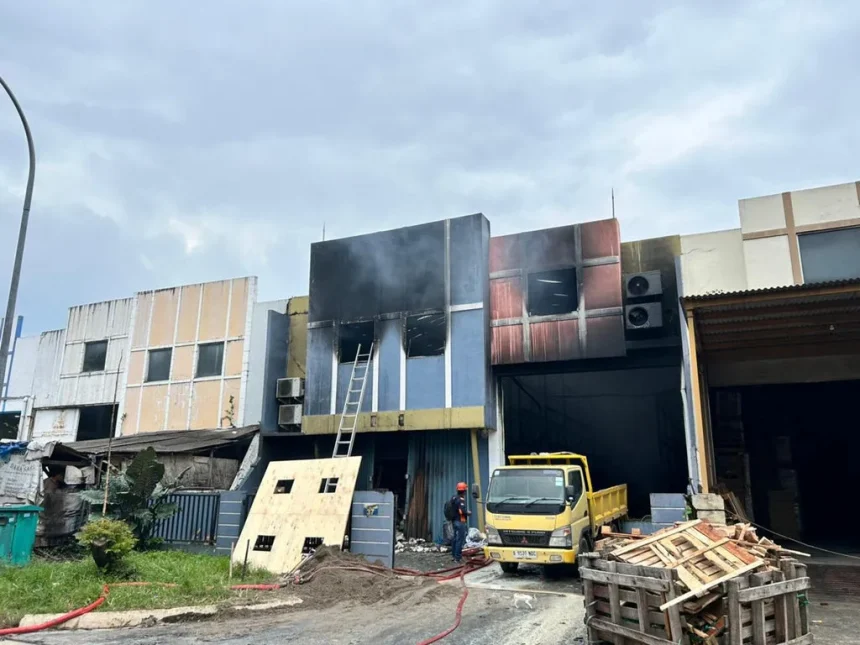
In a matter of hours, inventory, sophisticated machinery, and infrastructure worth Rp 75 billion were reduced to a lifeless pile of black ash. This tragic event is not fiction; it’s a reality that has recently been experienced by major entities, from Ciputra Mall to the massive fire in the Setu industrial area.
The impact is no joke. Once the fire is out, a new, more dire problem emerges: financial paralysis. Your operations come to a complete halt, but supplier payments, accumulating bank interest, and hundreds of employees’ salaries continue to demand relentless payments. You might think an insurance policy is a lifeline, but the truth is, many insurance companies have legal loopholes that allow them to reject large claims if your policy isn’t drafted precisely from the start.
This is a stark warning for business owners. Insuring assets worth tens of billions isn’t just about buying a policy; it’s about ensuring that every letter in it guarantees your company’s survival. Prepare protection before your assets are reduced to ashes. Don’t let your Rp 75 billion investment evaporate due to a technical error in the policy. Get a free policy audit and risk management consultation from L&G Insurance Broker experts now. Contact us on WhatsApp at0811-8507-773or email tohalo@lngrisk.co.id
The IDR 75 Billion Asset Risk: Why Is Its Complexity Deadly?
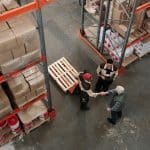
A large-scale manufacturing warehouse or distribution center is no ordinary building. It’s a complex ecosystem of risks. As Senior Risk Consultants at L&G Insurance Broker, we see that the greater the asset value, the higher the probability of a “total loss” if risk management is neglected.
- Industrial-Scale Electrical Systems: The electrical loads of automated production machines, cold storage systems, and high-intensity lighting create the risk of overheating. A single frayed wire or loose connection can trigger a fire that engulfs an entire building in an instant.
- Hazardous Materials (B3) Storage: Many warehouse owners don’t realize that stacking wooden pallets, industrial cleaning fluids, and even large quantities of lithium batteries creates a very high “fire load.” Once fire reaches these areas, standard fire suppression systems are often ineffective.
- Machine Workload and Human Error: In pursuit of production targets, machines are often pushed beyond their capacity. Without documented regular maintenance, mechanical failure is the most common cause of fires identified by claims investigation teams.
5 Fatal Reasons Why a Rp. 75 Billion Fire Claim Could Be Rejected
Processing a claim worth IDR 75 billion will trigger a very rigorous investigation process by the insurance company. They will send an independent loss adjuster to look for even the slightest discrepancy in your policy. Here are some reasons why you might not receive compensation:
1. Under-Insurance and the Average Clause Trap
Many business owners fall into the trap of “wanting a low premium” mindset by understating the value of their assets. If a warehouse and its contents are worth Rp75 billion, but you only report Rp40 billion to get a low premium, you’re in serious danger.
The impact: In the event of a total fire, the insurance company will apply the Average Clause. Since you only insured about 53% of the actual value, the insurance company will only pay 53% of the loss. You’ll lose tens of billions of rupiah simply because you wanted to save on a paltry premium.
2. Breach of Warranty
Insurance policies are full of warranties, legal promises you must fulfill. For example, a promise that the sprinkler system will always be operational, or a promise that no welding will be carried out inside the warehouse without special permission.
The impact: If the investigation finds that the hydrant pump system is inoperable due to a dead starter battery, or the fire extinguisher is found to be expired, the insurance company has the legal right to deny the claim in its entirety. This breach of the safety promise is considered a waiver of risk by the insured.
3. Misdescription and Misclassification of Occupations
In the world of insurance, “what you report is what you insure.” If you report a building as a “Textile Warehouse” but later rent out part of the area for storing “Liquid Chemicals” without reporting it to the insurance company, there is misrepresentation.
The impact: The risk profile of textiles is very different from that of chemicals. Dishonesty or negligence in reporting changes in building function will automatically invalidate your policy in the event of a claim.
4. Unoccupancy Clause (Risk When the Warehouse is Empty)
Long holidays like Eid al-Fitr or the end of the year are often times when warehouses are left unattended. Many policies have a clause stating that if a building is unoccupied for more than 30 days without notice, insurance coverage will be void.
The impact: Without staff present, a small fire from an electrical short circuit can escalate without anyone noticing. Without coordinating with your L&G Insurance Broker to provide an “Unoccupancy Notice” to your insurance, you risk losing your claim.
5. Excluded Causes: Sabotage and Riots
Standard fire policies are often very limited. If your warehouse fire is caused by sabotage by a disgruntled employee or by a nearby mob, and you don’t have the RSMD 4.1 (Riots, Strikes, Malicious Damage) coverage, your claim will be denied. Business owners often only realize these limitations when their assets are already incinerated.
Strategic Solutions: Why Property All Risk (PAR) is a Must
For assets worth tens of billions, using a standard policy is extremely risky. You need a more in-depth technical solution:
- Property All Risk (PAR) Insurance: Unlike standard policies, which only cover named perils, PAR covers all risks of sudden and unexpected physical damage, unless specifically excluded. This is the gold standard for corporate asset protection.
- Earthquake Extension: Given Indonesia’s location on an active earthquake belt, earthquake extensions are no longer an option, but a necessity. Major fires are often triggered by earthquakes that damage gas installations or electrical cables. Without this extension, earthquake fire claims will not be covered.
- Business Interruption (Loss of Profits Clause): This will protect your cash flow. When a warehouse burns down, you lose your ability to sell. A Business Interruption Clause will cover your lost gross revenue and fixed costs while your warehouse is being rebuilt.
The Vital Role of L&G Insurance Brokers: Why Should You Use Us?
Managing insurance for Rp75 billion in assets without a professional insurance broker like L&G Insurance Broker is like performing heart surgery without a specialist. We’re not just a broker; we’re your risk defense.
How Does L&G Insurance Broker Work for You?
- Audit and Risk Survey Before Policy Issuance: We don’t sell policies directly. Our team of experts will conduct a field survey to identify risk gaps in your warehouse. We help you determine accurate coverage to avoid underinsurance.
- Drafting Policy Clauses That Favor Customers: We understand the language insurers often use to avoid claims. L&G will negotiate a “Manuscript Policy” that provides maximum protection and eliminates clauses that are detrimental to you.
- Uncompromising Claims Advocacy: When a claim arises, L&G Insurance Broker acts as your insurance attorney. We liaise with the Loss Adjuster, prepare the necessary technical documentation, and ensure that the compensation you receive is the maximum amount you are entitled to. We are your advocate until the claim funds are deposited into the company’s account.
Police Audit Checklist: Check Now!
If you already have an insurance policy, make sure you can answer “YES” to the following 10 points. If you answer “NO” to even one, contact L&G Insurance Broker immediately:
- Does the insurance value in the policy reflect the cost of rebuilding the warehouse at current material prices (Reinstatement Value)?
- Is the occupation description in the policy 100% accurate with the activities in the field?
- Are the extent of Earthquakes, Volcanic Eruptions, and Tsunamis listed with adequate limits?
- Is there a Removal of Debris clause to cover the very expensive post-fire debris cleanup costs?
- Does your policy cover damages resulting from riots, strikes and malicious acts of others (RSMD)?
- Is there a guarantee for fires caused by machine failure or electrical short circuits (Electrical Clause)?
- Does your Business Interruption guarantee have a long enough compensation period (e.g. 12-18 months) for rebuilding?
- Is your policy managed by an official Insurance Broker licensed by the OJK?
- Do all your fire extinguishers have the latest inspection certificates that are legally accountable?
- Do you have an Emergency Response Plan that has been approved by a risk consultant?
Conclusion
Who would have thought that a small mistake in reading a policy clause could result in financial losses that would destroy a business’s future. A warehouse fire worth Rp 75 billion is a tragedy, but a denied claim is a fatal risk management failure.
Don’t let your life’s investment, worth Rp 75 billion, disappear without a guarantee. One small error in interpreting a clause could be the difference between business continuity and total bankruptcy.
Get a premium simulation today and a free policy audit with an L&G Insurance Broker expert. We are your partner to ensure your business remains strong even when disaster strikes.
Don’t wait until the fire is out. Contact us via WhatsApp at0811-8507-773 or email tohalo@lngrisk.co.id right now.
L&G Insurance Broker – We Manage Your Risks, You Grow Your Business.