



Ensuring Safety, Quality Consistency, and Long-Term Operational Stability in Overseas Manufacturing
Precision Manufacturing Requires Predictable Risk Control
Japanese manufacturing is globally respected not because of speed or scale alone, but because of discipline, consistency, and trust. In machinery and precision manufacturing, quality is not inspected at the end of production—it is designed, controlled, and protected throughout the entire process.
For Japanese companies expanding production overseas, risk management is not viewed as an emergency response mechanism. It is regarded as an integral part of operational governance.
Batam has become an increasingly important location for Japanese machinery and precision manufacturers due to its Free Trade Zone status, proximity to Singapore, and growing industrial ecosystem. However, operating in a foreign environment also introduces new layers of operational, regulatory, and recovery risk.
This article explains how structured risk management and properly designed insurance protect precision, safety, and long-term stability for Japanese machinery manufacturers operating in Batam.
The Japanese Perspective on Risk: Prevention Before Recovery
Japanese companies traditionally approach risk with the following principles:
- Anzen (安全) – safety is non-negotiable
- Hinshitsu (品質) – quality consistency must be preserved
- Kaizen (改善) – continuous improvement reduces risk over time
- Shinrai (信頼) – trust is built through reliability, not promises
From this perspective, risk management is not about transferring problems to insurers. It is about preventing disruption, minimizing deviation, and ensuring predictable recovery if an incident occurs.
Insurance, therefore, is not a replacement for control—but a financial safeguard that supports stability.
Why Batam Is Strategically Important for Japanese Machinery Manufacturers
Japanese machinery and precision manufacturers operate in Batam primarily to:
- Support ASEAN and regional supply chains
- Produce high-precision components and equipment
- Maintain long-term cost efficiency without compromising standards
- Integrate Batam operations into global Japanese production systems
However, Batam also presents operational realities that require careful attention:
- Different climate and environmental conditions
- Local contractor and maintenance practices
- Longer lead times for specialized spare parts
- Local regulatory and inspection requirements
These factors make risk identification and control essential from the early stages of operation.
Key Risk Exposures in Machinery & Precision Manufacturing Operations
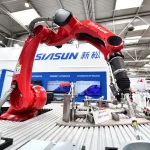
- Machinery Breakdown Risk in High-Precision Equipment
Japanese machinery plants rely on:
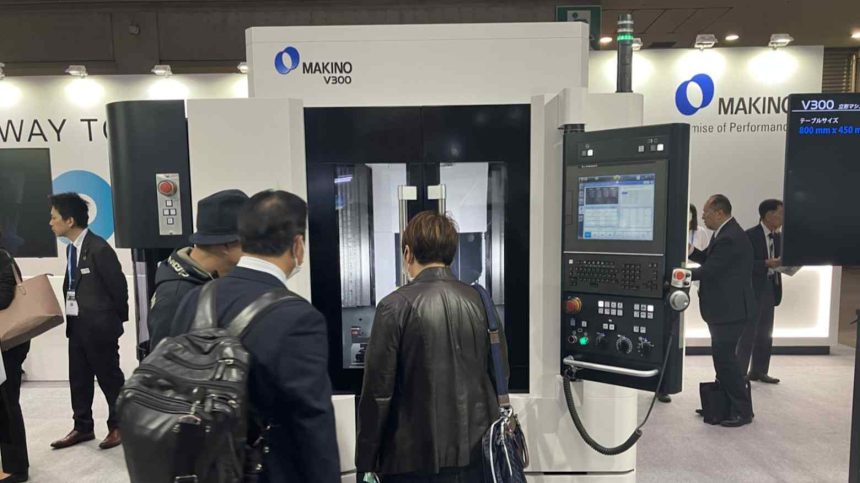
- CNC machines
- Precision lathes and milling equipment
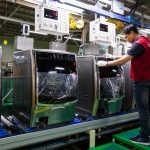
- Automated production systems
- Calibration-sensitive instruments
Breakdown risks include:
- Electrical or control system failure
- Overheating due to climate conditions
- Improper maintenance practices
- Delayed spare parts availability
A single critical machine failure may:
- Stop an entire production line
- Affect downstream processes
- Disrupt delivery commitments to Japanese or global customers
For Japanese companies, production instability directly affects credibility.
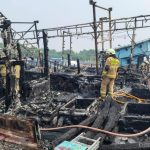
- Fire Risk and Secondary Damage Exposure
Fire risk in machinery plants is often underestimated because:
- The process itself may not involve open flame
- Operations are perceived as “clean” manufacturing
However, fire risks commonly arise from:
- Electrical overload
- Oil and lubricant residue
- Overheated motors and panels
- Maintenance hot work
In many losses, smoke and soot contamination, not flames, cause the most severe damage—affecting precision surfaces, control systems, and calibration integrity.
- Quality Deviation and Restart Risk
After an incident, the challenge is not only repair—it is quality revalidation.
Japanese machinery manufacturers must often:
- Recalibrate equipment
- Re-qualify production output
- Conduct internal and customer audits
This restart phase may take weeks or months, creating extended downtime that is often underestimated in financial planning.
- Business Interruption and Long-Term Stability Risk
Business interruption losses may include:
- Lost production margin
- Overtime and recovery costs
- Emergency outsourcing
- Delayed customer deliveries
From a Japanese perspective, the most serious impact is often loss of delivery reliability, which affects long-term relationships rather than short-term revenue.
Risk Management Framework Aligned with Japanese Manufacturing Culture
Step 1: Risk Identification Based on Critical Equipment
Risk identification should focus on:
- Bottleneck machines
- Single-point-of-failure equipment
- Dependency on imported spare parts
- Maintenance and calibration practices
This approach aligns with Japanese genba-based risk awareness—understanding risk where work happens.
Step 2: Risk Control Through Engineering Discipline
Effective controls include:
- Preventive and predictive maintenance programs
- Thermal and electrical inspections
- Clear maintenance documentation
- Controlled hot work procedures
- Strict housekeeping standards
These measures reduce both loss frequency and severity, consistent with Kaizen principles.
Step 3: Risk Transfer Through Proper Insurance Design
Insurance for Japanese machinery manufacturers must be supportive, not superficial.
Essential covers typically include:
- Property All Risks Insurance
- Machinery Breakdown Insurance
- Business Interruption Insurance
- Electronic Equipment Insurance (where applicable)
- Liability Insurance
Key insurance considerations:
- Accurate valuation of machinery replacement cost
- Adequate business interruption indemnity period
- Coverage for smoke and contamination damage
- Clear documentation requirements
Insurance should be structured to support calm, orderly recovery, not reactive claims disputes.
Why Insurance Often Underperforms Without Proper Risk Management
Common weaknesses include:
- Underinsurance of precision equipment
- BI periods based on optimistic repair assumptions
- Exclusions misunderstood at local level
- Poor alignment between Japanese HQ standards and local policies
These issues typically become visible only after an incident, when recovery pressure is highest.
The Role of an Insurance Broker in Japanese Overseas Operations
For Japanese companies, an insurance broker is not a salesperson. The broker is expected to act as a long-term risk partner.
A professional broker should:
- Understand Japanese manufacturing discipline
- Translate operational risk into an insurable structure
- Support documentation and compliance
- Coordinate calmly during claims
- Protect the company’s reputation during recovery
This role requires local expertise combined with international governance standards.
Why Japanese Companies in Batam Work with L&G Insurance Broker
L&G Insurance Broker supports Japanese machinery and precision manufacturers with a preventive, structured, and stability-focused approach.
Our services include:
- On-site machinery risk assessment
- Fire and contamination exposure analysis
- Business interruption scenario review
- Insurance gap and valuation analysis
- Claims support aligned with Japanese reporting standards
We understand that Japanese companies value:
- Clear structure
- Accurate documentation
- Calm problem resolution
- Long-term operational reliability
Our objective is not to sell insurance, but to support safe and stable operations in Indonesia.
Risk Management as a Foundation of Trust
In Japanese manufacturing culture:
- Stability builds trust
- Trust builds long-term partnership
- Long-term partnership builds success
Strong risk management ensures:
- Predictable operations
- Fewer disruptions
- Faster, orderly recovery
- Protection of corporate reputation
Risk management is therefore not a cost—it is corporate responsibility.
Conclusion: Protecting Precision and Long-Term Value
Machinery and precision manufacturing operations in Batam offer Japanese companies significant strategic value. However, success depends on how well risk is managed, not how aggressively operations are expanded.
Sustainable operations require:
- Early risk identification
- Strong preventive controls
- Properly structured insurance
- Experienced local risk partners
When risk is managed correctly, overseas operations can reflect the same discipline and reliability as factories in Japan.
If your company:
- Operates machinery or precision manufacturing facilities in Batam
- Depends on high-accuracy equipment and stable output
- Values long-term operational reliability
Now is an appropriate time to review your risk management and insurance structure.
Contact L&G Insurance Broker for a professional machinery and precision manufacturing risk review, designed to support Japanese operational standards in Indonesia.
Protect safety – Protect quality – Protect trust.
—
DON’T WASTE YOUR TIME AND SECURE YOUR FINANCES AND BUSINESS WITH THE RIGHT INSURANCE.
HOTLINE L&G 24 JAM: 0811-8507-773 (PHONE – WHATSAPP – SMS)
Website: lngrisk.co.id
Email: halo@lngrisk.co.id
—