



Solar Energy as a Pillar of the National Energy Transition
Indonesia is moving towards a new era of clean energy.
In the National Energy General Plan (RUEN), the government targets the portion of new and renewable energy (EBT) to reach 23% by 2025 and increase to 31% by 2050.
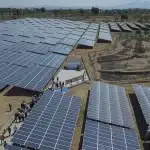
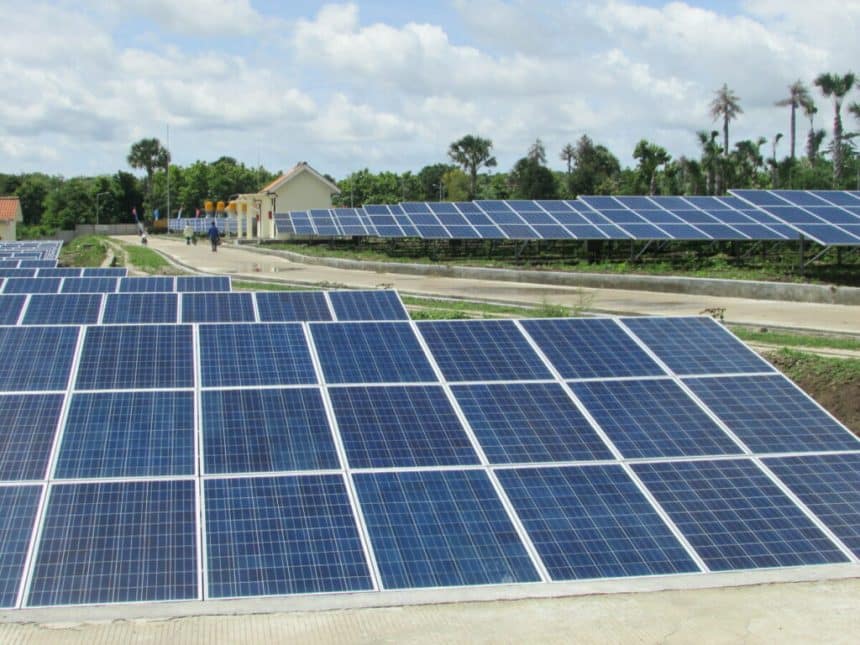
One key strategy is the development of rooftop solar power plants (PLTS). This technology offers a real solution for households, offices, and industries to reduce reliance on conventional electricity while simultaneously reducing carbon emissions.
However, behind its economic potential, solar power plants are also assets with unique risk characteristics.
Without proper risk management, investments worth hundreds of millions or even billions of rupiah can be lost due to natural disasters, technical failures, or human error.
In this context, PT Liberty and General Insurance Broker (L&G) is present as a strategic partner that helps industry players understand, manage, and transfer solar power plant risks professionally through appropriate insurance solutions.
Why Rooftop Solar Power Plants Are Called the Energy Asset of the Future
Eternal and Environmentally Friendly Energy Source
Indonesia has solar energy potential of up to 207 GWp spread across its territory. Rooftop solar power plants are the most efficient way to harness this potential without requiring new land.
Save on Electricity Operational Costs
With PLN’s net-metering system, solar power plant owners can sell excess energy back to the PLN grid, so that electricity bills can be reduced by up to 50–70%.
Increase Asset Value and Corporate Image
Buildings or factories that use clean energy have a higher selling value and support the achievement of ESG (Environmental, Social, and Governance) targets.
Energy Independence in the Future
With electricity prices continuing to rise, solar power plants are a long-term investment that protects businesses from energy fluctuations.
However, like any other important asset, solar power plants require planned and structured risk management.
Understanding the Risks of Rooftop Solar Power Plants Comprehensively
Rooftop solar power plants consist of various components such as solar panels, inverters, DC/AC cables, mounting structures, lightning protection, and digital monitoring systems.
Each has its own potential risks. Here’s the classification:
- Natural Risks
- Strong winds, storms, or earthquakes that damage the panels and supporting structures.
- Heavy rain and flooding caused a short circuit.
- Lightning strikes that damage inverters and electrical systems.
- Technical Risks
- Overheating of the inverter.
- Solar cell degradation due to extreme heat.
- Installation errors that cause electrical short circuits.
- Operational Risk
- Lack of routine maintenance.
- Human error while cleaning or repairing the system.
Animal disturbances (birds, rats) that damage cables.
- Social and Security Risks
- Theft of panels or inverters in industrial areas.
- Vandalism or sabotage.
- Financial Risk
- Serious damage that causes the system to stop operating (downtime).
- Losses due to loss of electricity production (loss of revenue).
All these risks cannot be completely eliminated, but they can be managed and partially transferred through insurance.
Strategic Steps in Solar Power Plant Risk Management
Solar power plant risk management includes three main stages: identification, mitigation, and risk transfer.
- Risk Identification
Conducting a hazard analysis from the planning stage:
- Is the location prone to lightning or flooding?
- How does the roof structure support the weight of the panels?
- Is the electrical protection system adequate?
Brokers such as L&G Insurance Broker help prepare risk assessment reports as a basis for determining insurance coverage.
- Risk Mitigation
Preventive steps to reduce potential losses:
- Installation of lightning protection and grounding systems.
- Using an IEC certified inverter.
- Periodic maintenance and inspection.
- Training of technicians and operators.
- Risk Transfer Through Insurance
If the risk cannot be avoided, it must be transferred to an insurance company.
This is where the broker’s role becomes vital to ensure all relevant risks are covered under the policy.
Types of Insurance for Rooftop Solar Power Plants at Each Project Stage
| Project Stages | Police Type | Guaranteed Risk |
| Design & Installation (EPC) | Construction/Erection All Risks (CAR/EAR) | Physical damage, negligence in installation, extreme weather |
| Operational | Property All Risks (PAR) | Fire, flood, lightning, storm, theft |
| Operational | Machinery Breakdown (MB) | Mechanical/electronic damage to the inverter |
| Operational | Business Interruption (BI) | Loss of income due to downtime |
| Operational | Public Liability | Legal liability towards third parties |
With this combination, solar power plant assets are comprehensively protected from the beginning to the end of their economic life.
How Can Insurance Brokers Help Manage Solar Power Plant Risks?
A broker’s role extends beyond finding low premiums. Brokers like PT Liberty and General Insurance Broker (L&G) act as independent risk advisors, working on behalf of their clients, not the insurance company.
The following are the stages carried out by L&G in the PLTS project:
- Technical and Financial Risk Analysis
- Assess potential losses based on system design, location, and capacity.
- Developing an Integrated Insurance Program
- Starting from the installation period (CAR/EAR) to the operational period (PAR, MB, BI).
- Assisting with Premium Negotiation and Policy Wording
- Ensure the clause covers typical risks of solar power plants such as inverter short circuits or lightning strikes.
- Annual Monitoring and Review
- Adjust the insurance value to increase capacity or change assets.
- Claim Assistance
- Preparing documents, negotiating with loss adjusters, and ensuring timely payments.
Real Case Example: Solar Power Plant in Bekasi Industrial Area
A textile factory in Bekasi installed a 1 MWp rooftop solar power plant with an investment of IDR 14 billion.
After six months of operation, a short circuit occurred due to a lightning strike that damaged the main inverter and some of the panels.
Luckily, the company had used the services of PT Liberty and General Insurance Broker (L&G).
L&G helped the client add the solar power plant endorsement to the plant’s Property All Risks policy before the system was operational.
The result:
- The claim of Rp 1.2 billion was approved in full within 30 days.
- Solar power plant operations returned to normal without additional costs.
- Management confidence is increasing to expand the capacity of the solar power plant in the following year.
This case proves that the right broker can save large investments through careful insurance planning.
Combining Solar Power Plant Insurance with Existing Property Policies
One efficient strategy is to incorporate solar power into an existing property insurance policy.
The steps are simple but have a big impact.
Stages:
- Calculate the investment value of PLTS.
- (Panel, inverter, cable, mounting, and installation costs.)
- Consult an insurance broker.
- The broker will prepare additional clauses (endorsements) in the policy.
- Add solar power guarantee to the insurance value.
- Total value = building + equipment + PLTS.
- Adjust premiums.
- Typically only adds 5–10% to the initial property premium.
- Make sure the clause is correct.
Example:
“This policy also covers damage to solar power systems permanently installed on the roof of the insured building due to fire, lightning, flood, wind, or explosion.”
This way, owners don’t have to buy a new policy but still get comprehensive protection.
Steps to Take If a Claim Occurs
- Report the incident within a maximum of 3×24 hours.
- Secure the area and avoid manipulating the equipment.
- Document evidence (photos/videos).
- The broker will help make a claim report to the insurance.
- A surveyor or loss adjuster will assess the damage.
- The claim was approved and paid according to the replacement value.
With the assistance of L&G Insurance Broker, the claims process is fast, accurate, and transparent.
Practical Tips for Managing Solar Power Plant Risks
- Use certified EPC contractors and international standard equipment.
- Install lightning protection and grounding systems according to SNI.
- Perform periodic inspections at least twice a year.
- Keep all technical documents, warranties, and maintenance reports.
- Consult with your broker before expanding system capacity.
- Make sure your insurance policy is renewed annually.
The Important Role of PT Liberty and General Insurance Broker (L&G)
As a national insurance broker with experience in energy and infrastructure projects, L&G understands that each solar power system has different risk characteristics — depending on design, capacity, and location.
L&G Advantages:
- Independent and in the interests of the client.
- Supported by LIGASYS digital system for fast policy and claims management.
- Experienced technical team in energy and EPC projects.
- Extensive network with national and international insurance companies.
- Through a risk-based approach, L&G assists clients not only in purchasing policies, but also in designing a comprehensive protection system from the beginning to the end of the project’s life.
Conclusion: Manage Risks Now, Reap Profits in the Future
Rooftop solar power is an investment for the future — efficient, environmentally friendly, and economical.
However, without proper risk management, these benefits can turn into significant losses due to disasters, technical failures, or operational errors.
With the support of PT Liberty and General Insurance Broker (L&G), home, office and factory owners can:
- Manage PLTS risks professionally,
- Get the right insurance solution,
- Ensure operational continuity, and
- Protecting long-term profits.
Solar energy is the future. Protect it with proper risk management and insurance today.
—
DON’T WASTE YOUR TIME AND SECURE YOUR FINANCES AND BUSINESS WITH THE RIGHT INSURANCE.
HOTLINE L&G 24 JAM: 0811-8507-773 (PHONE – WHATSAPP – SMS)
Website: lngrisk.co.id
Email: halo@lngrisk.co.id
—