



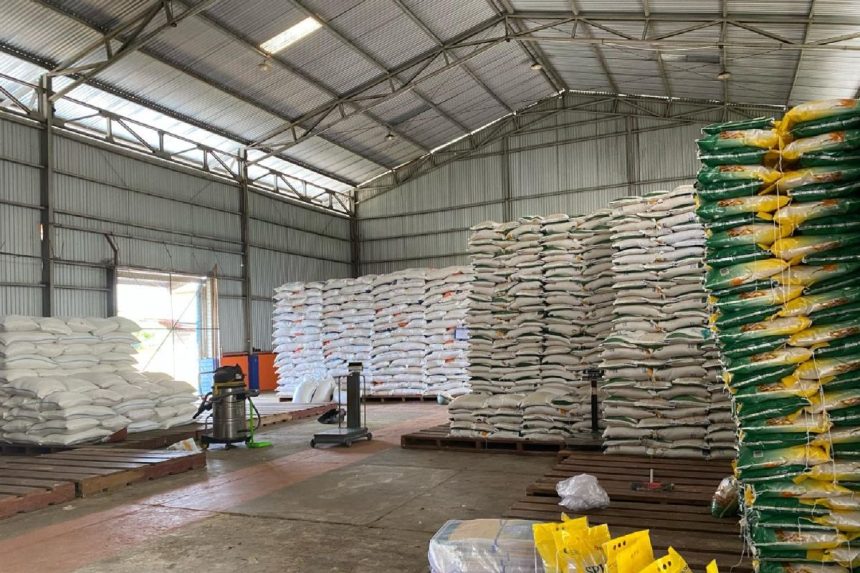
Bulog’s rice overstock is currently a concern for many. The abundant supply presents a significant opportunity for Indonesia to re-establish its position as a key player in the global rice market. This situation could be a strategic opportunity to expand international trade networks, particularly for businesses seeking to enter or increase rice export volumes.
However, it’s important to remember that great opportunities always come with great risks. Global trade isn’t just about shipping goods overseas; it also carries the risk of damage to goods, shipping delays, buyer default, and even political and regulatory risks in the destination country. Therefore, having export import insurance is no longer just an option, but a mandatory requirement to carry out rice exports safely and professionally.
Executive Summary
This article will discuss how Bulog’s overstock situation can become an export opportunity, the risks exporters should be aware of, and the essential types of insurance required before exporting rice. You’ll also understand why it’s advisable to use an official insurance broker registered with the OJK, such as L&G Insurance Broker. It’s much safer than buying through an agent or directly from an insurance company. L&G is fully committed to supporting you until your claim is fully paid.
Want to ensure your rice exports are safe from risk? Consult with L&G Insurance Broker for a FREE consultation via WhatsApp 08118507773 or email halo@lngrisk.co.id
Bulog’s Rice Overstock Presents a Huge Opportunity for Rice Exports
Bulog’s abundant rice stocks indicate that national food security is secure. This situation provides more room for the government and businesses to export to countries experiencing rice shortages.

Several countries in Asia, the Middle East, and Africa have high demand for quality Indonesian rice. With competitive prices and a stable supply, Indonesia has a significant opportunity to increase its rice export volume.
Exporters, both novice and experienced, can certainly capitalize on this opportunity. However, to compete in the global market, companies need to ensure product quality, competitive pricing, and robust protection and risk management systems.
This is where the role of export-import insurance becomes very important to ensure smooth transactions.
Risks in Rice Exports That Are Often Overlooked
Many novice exporters focus solely on sales opportunities, neglecting to consider the risks. However, in global trade, risks can arise at any time and are significant. Here are some of the main risks in rice exports:
- Transportation Risk
The cross-border shipping process can take days to weeks. During the journey, risks can arise at any time:
- damage due to extreme weather,
- containerleaking or damp,
- poor handling at the port,
- pencurian (cargo theft),
- even piracy in certain waters.
If there is no insurance, all these losses must be borne by the exporter.
- Payment Risk (Buyer Does Not Pay)
There are many cases of overseas buyers delaying payment or even running away after receiving the goods. Without protection like this,credit insuranceThis risk could cost exporters billions of rupiah.
- Regulatory & Legal Risks
Destination countries have strict regulations on food imports. Sudden regulatory changes, detention of goods at ports, or document problems can cause significant losses.
- Risiko Supply Chain
Ship delays, port congestion and port operator strikes are real and frequent risks.
Don’t let one risk stop your business. Ensure your shipments are protected by the right insurance policy. Get guidance from L&G Insurance Broker’s import-export experts.
Why is Export Import Insurance Mandatory for Rice Exports?
In rice exports, even a small loss can cost hundreds of millions of rupiah. Insurance isn’t there to add costs, but to safeguard your business’s capital and profits.
Here are the main benefits:
- Protects goods from damage during transit.
- Guarantee payment from the buyer (through credit insurance).
- Reducing the risk of loss due to political factors and policies of the destination country.
- Keeping the company’s cash flow stable.
- It is a mandatory requirement for many international buyers who only want to buy from exporters who have insurance protection.
In other words, export-import insurance is a mandatory shield for every businessman who wants to be successful in international trade.
Types of Insurance Required for Rice Exports
For maximum protection, here is the insurance you must have:
Primary protection for goods during transit. Marine cargo provides coverage for:
- physical damage,
- loss,
- fire,
- extreme weather,
- ship stranded,
- theft,
and other risks.
Use ICC A (Institute Cargo Clause A) for the most complete protection.
- Credit Insurance
Protecting exporters from the risk of buyer default. This is especially important if the destination country has high economic risk or the business relationship is new.
- Liability Insurance (Contractual Risk)
If the buyer feels disadvantaged because the quality of the rice does not match the contract, this policy protects you from legal action.
Protecting rice stocks before entering the shipping process.
Why Go Through an Insurance Broker, Instead of an Agent or Insurance Company Directly?
- Brokers Defend You, Not Insurance Companies
Agents work for insurance companies. Brokers work for you. Brokers are on your side from product selection to claim processing.
- Brokers are able to negotiate wording and premiums.
Brokers can recommend multiple insurance companies, not just one, and can tailor policy wording to best suit your export needs.
- The Most Fatal Problems When Buying Insurance Through an Agent
If a major claim arises, agents typically won’t assist you because they lack the authority and aren’t on your side. Many exporters have lost hundreds of millions of rupiah due to the lack of assistance from claims experts.
- L&G Insurance Broker = Registered & Supervised by OJK
- Official & legal
- Specialist in marine, cargo, trade and import-export insurance
- Claims support until payment is complete
- Experienced team in logistics & export-import industry
L&G is the best solution for exporters who want to play it safe in high-risk industries like international trade.
Real Case Study: Huge Losses Without Insurance
An exporter shipped 300 tons of rice to a South Asian country. During the sea voyage, the container sprang a leak due to a storm. Most of the rice was damaged. The buyer rejected the goods and refused to pay.
Potential loss: over Rp1 billion. Without insurance, the entire loss would be covered by the shipper themselves. However, with marine cargo insurance and credit insurance, the insurance company covers all losses. This is the importance of protection in exports.
Conclusion
Bulog’s rice overstock represents a golden opportunity to strengthen Indonesia’s position in the global market. However, this significant opportunity must be accompanied by appropriate protection. Risks from shipping, regulations, weather, damage, and even default can arise at any time. Therefore, having adequate rice stocks is crucial export import insurance is a mandatory step for every rice exporter.
And remember, don’t buy insurance through an agent or directly from an insurance company. Always use an OJK-approved broker like L&G Insurance Broker, who will assist you from start to finish until your claim is paid.