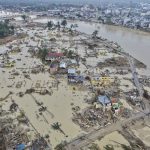




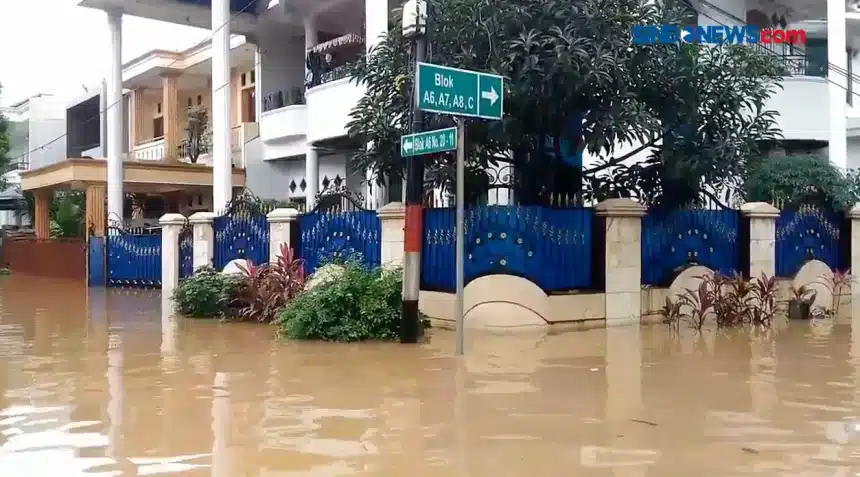
Flooding is one of the most common risks in Indonesia. Every year, thousands of homes are submerged, hundreds of cars are damaged, and many businesses are shut down due to water entering production areas. This is where insurance should provide a sense of security. But in reality, many people are confused when it comes to the process of flood insurance claims, where to start, what documents are needed, and how to ensure the claim is not rejected.
This article will cover the complete claim steps for homes, cars, and businesses, from proper documentation and reporting timelines to tips for getting your claim paid quickly.
And one important thing to understand: never buy a policy directly from an insurance company or agent, because when a flood occurs and you need to claim, no one is on your side. Agents work for the insurance company. Meanwhile, brokers like L&G Insurance Broker are 100% on your side, ensuring your claim goes smoothly and is paid in full.
If you need a free consultation, either before purchasing a policy or if you are experiencing a loss due to flooding, you can contact us L&G Insurance Broker through:
WhatsApp 08118507773 or email halo@lngrisk.co.id.
What is Flood Insurance?
Many people assume that all policies automatically cover floods. However, for most products, such as property and auto insurance, floods are an extended coverage that must be purchased separately.
In a home or business policy, flood coverage is usually written as:
- Flood
- Inundation
- Water Damage
- Rainwater damage
Meanwhile, for vehicles, flood coverage is included in the Additional Protections that must be checked from the outset. Without it, car flood claims will automatically be denied.
Because policy wording is often technical and confusing, brokers play a crucial role in ensuring that flood coverage is clearly stated and appropriate to your risk conditions.
Types of Flood Losses That Can Be Claimed
- Losses to Residential Homes
- Walls, floors, ceilings, doors, and other structures.
- Home furnishings such as sofas, mattresses, cupboards.
- Electronic goods: TV, AC, refrigerator, washing machine.
- Damage to electrical and plumbing installations.
- Loss to Vehicle
- The machine was submerged in water and died completely (water hammer).
- Damage to the ECU and electrical system.
- The interior was damaged by mud and water.
- Rust and corrosion due to submersion.
- Losses to Business
- Production assets: machinery, equipment, electrical panels.
- Damaged stock.
- Damage to warehouse and office.
- Business Interruption(losses due to production stoppage).
Each category has a different claims procedure, so it’s important to understand the steps from the start.
How to Claim Flood Insurance for Your Home
When your house is flooded, you might be tempted to clean it right away. But for the sake of your claim, hold off.
Here are the correct steps:
- Ensure Safe Conditions
Turn off the power and avoid handling wet cables or electronic devices. Safety is a priority.
- Document All Damage
Photos and videos before cleaning the house:
- Front view of the house
- Water in the house
- Submerged items
- Details of damage to walls, floors, electronics
The more complete the evidence, the stronger your position when making a claim.
- Report Claims within 3×24 Hours
The sooner, the better. Late reporting is often the reason claims are complicated.
- Don’t throw away damaged items
Let the surveyor see the item in person. If it needs to be thrown away, take photos from several angles first.
- Prepare Documents
- Insurance policy
- Insured’s ID card
- Chronology of events
- List of losses and estimated repair costs
- Photos/videos
- Attend the Survey
A surveyor or loss adjuster will inspect the site and assess the damage. A broker will usually accompany the contractor to ensure no losses are overlooked.
- Verification Process to Claim Payment
After that, the insurance company will analyze the policy, risks, and loss value before approving payment.
Important tip: do not make major repairs before the survey, unless it is an emergency.
How to Claim Flood Insurance for Vehicles
Vehicles are the most frequently damaged objects by flooding. However, the claims process has specific regulations.
- Do not start the engine
Starting the engine when the car is submerged can result in a claim being rejected as negligence.
- Document the Damage
Take a photo:
- Water level
- Inside the car
- External conditions
- Number plate
- Machine parts
- Contact a partner workshop
Use an authorized towing service from your insurance company. Don’t push or drive the car yourself.
- Report a Claim
Just like home, report within 3×24 hours maximum.
- Prepare Documents
- vehicle registration
- Insurance policy
- Damage photos
- Chronology of events
- Wait for the Surveyor’s Assessment
The workshop will provide a repair estimate and submit it to the insurance company.
When Can a Claim Be Rejected?
- Forcing through the flood.
- Turning on the engine even though it is submerged.
- Does not have a flood insurance extension.
Therefore, always check your policy from the start.
How to Claim Flood Insurance for Business
The business claims process is much more complex because it involves large loss values, stock of goods, production assets, and business losses.
Here are the steps:
- Secure the Area
Lock down the affected area and put up signs to prevent workers from entering.
- Documentation as Complete as Possible
Photos/videos of the entire production area, warehouse, electrical panels, machines, stock items, and damaged documents.
- Report Claims Immediately
Include initial information: water level, time of incident, and affected area.
- Prepare Documents
- Insurance policy
- Initial loss report
- Inventory list and book value
- Damage photos
- Related financial reports (if there is a BI claim)
- Survey and Negotiation Process
The loss adjuster will conduct a very detailed assessment. This is where the broker’s role is crucial. It’s the insurance broker who negotiates the loss value to reflect the reality on the ground.
Without a broker, companies typically struggle with complex technical processes and loss assessments.
Common Mistakes That Lead to Flood Insurance Claims Being Denied
- The policy does not cover floods.
- Late claim report.
- There is no adequate documentation.
- Clear the location before the survey.
- Starting the car after it has been submerged.
- Not understanding the policy clauses.
- Filing a claim through an agent who has no actual role in the claim.
Brokers not only help with the administrative process, but also ensure that you don’t make any fatal mistakes that could result in a failed claim.
The Role of Insurance Brokers in Flood Claims
This is the most important part.
Many people don’t realize that:
- Agents work for insurance companies.
- Brokers work for customers.
In the event of a flood, an agent cannot represent you in the event of a dispute. A broker, on the other hand, is obligated to assist you from reporting the claim and conducting the survey until the claim amount is approved and paid.
L&G Insurance Broker has handled numerous flood claims for homes, vehicles, and large factories. This experience ensures a faster claims process and a fair assessment of losses.
If you want to make sure your policy really covers floods or need help with a claim, you can have a free consultation with L&G via WhatsApp 08118507773 or email halo@lngrisk.co.id.
Tips for a Smooth and Paid Flood Insurance Claim
- Keep the police in digital form.
- Make sure the policy wording covers flood and water damage.
- Update asset values annually.
- Always take photos of conditions before and after the flood.
- Use a broker to minimize the risk of claims being complicated.
- Don’t panic, follow the procedure.
Example of Flood Insurance Claim Chronology
Here is an example of a simple chronology of words that you can use to create a claim report:
House Chronology
“On January 2, 2025, at around 7:00 PM, heavy rain caused the gutter in front of my house to overflow. Within 30 minutes, 40 cm of water had entered the living room and kitchen. I immediately turned off the electricity and recorded the situation. The next day, the floodwaters began to recede, and I filed a claim with my insurance company.”
Vehicle Chronology
“My car was parked in the office basement. On January 3, 2025, heavy rain flooded the basement to a depth of 1 meter. The car did not move or start at all. After the floodwaters receded, I documented the situation and filed a claim.”
Business Chronology
“On January 4, 2025, 80 cm of floodwater entered the factory’s production area, damaging laminating machines, finished goods inventory, and electrical panels. Production came to a complete halt. We secured the area, documented the damage, and filed a claim the same day.”
When is the Right Time to Buy Flood Insurance?
The answer is simple:before the rainy season.
When a flood is occurring, you can no longer purchase a new policy. Furthermore, insurance companies often close flood policy sales in areas considered high-risk.
Therefore, consult your needs well in advance so that the policy you buy is appropriate and the guarantee is complete.
Cover
Flood insurance claims It’s actually not complicated if you understand the procedures. However, without assistance, the process can be tedious, from gathering evidence and conducting surveys to negotiating with loss adjusters, to waiting for a decision from the insurance company.
By using L&G Insurance Broker, you don’t have to face the process alone. L&G will assist you from start to finish, ensuring your claim is properly paid.
If you want to have the right flood protection and not be afraid of your claim being rejected, consult your needs now with L&G Insurance Broker via WhatsApp 08118507773 or email halo@lngrisk.co.id.
—
DON’T WASTE YOUR TIME AND SECURE YOUR FINANCIAL AND BUSINESS WITH THE RIGHT INSURANCE.
HOTLINE L&G 24 JAM: 0811-8507-773 (CALL – WHATSAPP – SMS)
Website: lngrisk.co.id
Email: halo@lngrisk.co.id
—