



In a matter of seconds, a trip, a business activity, or even a major event can turn into an incident with an impact never anticipated.
A number of accidents in Indonesia over the past few days have once again demonstrated the diversity of risks we face. These include a fatal trailer truck accident in Pasuruan, a vehicle being struck by a train, a fire at a hotel and industrial facility, and a grandstand collapse that injured dozens.
Not only is it about asset damage and financial loss, every incident also carries risks to human safety, business continuity, and legal liability.
So, what can be learned from these incidents?
Here is a summary7 recent accident incidents in Indonesia, complete with Risk Accident Review and relevant types of insurance coverage.
A trailer truck carrying paper rolls went on a rampage in Pasuruan, hitting a vehicle and five houses, killing four people.
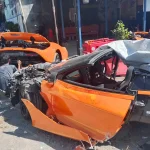
A multiple accident occurred on the Surabaya-Malang national highway, precisely in Ngerong Village, Gempol District, Pasuruan Regency, on Monday (27/7/2026) morning. A trailer truck carrying rolls of paper is suspected of losing control after hitting the truck in front of it, triggering a multiple collision involving two trucks, three motorcycles, and five residents’ houses. The trailer truck continued for about 500 meters before finally stopping after hitting a building on the side of the road. The incident resulted in four deaths, five people were injured, and caused major damage to vehicles and residents’ property. Police are still investigating the exact cause of the accident.
News source: https://www.detik.com/jatim/berita/d-8593247/7-fakta-kecelakaan-horor-di-gempol-pasuruan-tewaskan-4-orang?page=2
Risk Accident Review
This accident demonstrates the significant operational risks of heavy vehicles, particularly trailer trucks carrying heavy loads on busy national roads. When braking system failure, loss of control, or human error occur, the impact can be widespread, involving numerous vehicles, buildings, and other road users. In addition to causing loss of life and property damage, such incidents also have the potential to trigger lawsuits, disrupt logistics distribution, and result in significant financial losses. Transportation companies need to implementFleet Risk Management, pre-trip vehicle inspection, driver fatigue management (fatigue management), training defensive driving, cargo security, and the use of safety technology such asDriver Monitoring System (DMS) And Electronic Braking System (EBS)to minimize the risk of accidents.
Types of Insurance Needed
- Commercial Vehicle Insurance
Provides protection for trailer trucks and operational vehicles from the risk of collision, overturning, fire, or physical damage due to accidents during operations. - Third Party Liability (TPL) Insurance
Bear legal responsibility for losses suffered by third parties, including damage to vehicles, people’s homes, injuries, or deaths due to accidents. - Goods in Transit Insurance (Marine Cargo – Inland Transit)
Protects the paper roll load from the risk of damage or loss during the transportation process due to accidents. - Personal Accident Insurance
Provides compensation to drivers and passengers who suffer injury, permanent disability, or death due to an accident.
Pickup Truck Hit by Gajayana Train in Bekasi! Dragged 30 Meters, Driver Dies Trapped Inside Cabin
A fatal accident occurred at the Bulak Kapal railway crossing, East Bekasi, Bekasi City, on Monday (27/7/2026) early morning. A Mitsubishi Triton pickup truck was hit by the Gajayana Tambah train on the Gambir-Malang route while crossing the crossing with the gate open. According to witnesses, one vehicle managed to pass first, while the pickup truck behind it was hit by the train traveling from west to east. The strong impact caused the vehicle to be dragged about 30 meters and suffered heavy damage. The 24-year-old driver died at the scene due to being trapped inside the cabin. Police are still investigating the exact cause of the accident.
Risk Accident Review
Accidents at level crossings demonstrate that the intersection of railway lines and highways is a high-risk area. Factors such as driver negligence, limited visibility, and failure of crossing safety systems can lead to fatal accidents. For companies operating logistics and operational vehicles, such incidents can result in fatalities, vehicle damage, distribution disruptions, and even lawsuits. Risk mitigation requires driver safety training, adherence to procedures at railway crossings, regular vehicle inspections, and the use of technology.GPS Fleet Management, as well as the preparationJourney Management Planto ensure every trip takes place safely.
Types of Insurance Needed
- Commercial Vehicle Insurance
Provides protection for operational vehicles, including pickup trucks, from the risk of collision, fire, or physical damage due to accidents during operations. - Third Party Liability (TPL) Insurance
Bear legal responsibility if an accident causes loss to a third party, either in the form of asset damage or injury. - Personal Accident Insurance
Provides compensation to drivers and passengers if they suffer injury, permanent disability, or death due to an accident. - Employer’s Liability / Workmen Compensation Insurance
Provides protection to companies against compensation obligations if the driver is an employee who has an accident while carrying out his duties.
Oakwood Suites Hotel Kuningan on Fire! Thick Smoke Covers the 7th Floor, Deploys Dozens of Officers
A fire broke out at the Oakwood Suites Hotel in Kuningan, South Jakarta, on Sunday evening (July 26, 2026). Thick smoke was seen billowing from the seventh floor of the multi-story building, drawing the attention of local residents. The Jakarta Fire and Rescue Agency received a report at 10:43 PM WIB and immediately deployed 15 fire trucks and 44 personnel to the scene. Officers immediately began extinguishing and sweeping the area to control the fire and ensure it did not spread to other areas. The cause of the fire is still under investigation, and there have been no reports of casualties or material losses from the incident.
News source: https://www.metrotvnews.com/read/NrWC8AJO-hotel-di-setiabudi-kebakaran-asap-mengepul-dari-lantai-7
Risk Accident Review
A fire in a multi-story hotel is a high-risk incident because it involves the safety of guests and employees, as well as the potential disruption to business operations. In addition to causing damage to buildings and facilities, such an incident can trigger mass evacuations, loss of revenue due to operational shutdowns, and even legal action if guests or third parties suffer losses. Therefore, hotel managers need to ensure their fire safety systems are in place.Fire Protectionsuch as sprinklers, smoke detectors, fire alarms, hydrants, and evacuation routes are always functioning optimally. Electrical installation inspections, emergency response training, periodic evacuation simulations, and the preparation of emergency plans are carried out.Business Continuity Plan (BCP)also an important part of risk management strategy.
Types of Insurance Needed
- Property All Risk (PAR) Insurance
Provides protection for hotel buildings, interiors, furniture, and other assets from the risk of fire, explosion, and various other physical damage. - Business Interruption Insurance
Covers loss of income and fixed operating costs if the hotel cannot operate due to fire or damage covered by the policy. - Public Liability Insurance
Provides protection against legal claims from guests or third parties who suffer injury or loss due to fire incidents in the hotel area. - Electronic Equipment Insurance (EEI)
Covers damage to CCTV systems, servers, computers, control panels, reservation systems, fire alarms and other operational electronic devices. - Machinery Breakdown Insurance
Protects mechanical and electrical equipment such as elevators, HVAC (air conditioning), water pumps, generators, and electrical panels from the risk of sudden damage.
A motorcycle spare parts warehouse in Kudus was completely destroyed by fire. 10,000 parts were destroyed, causing losses of Rp1.5 billion.
A massive fire destroyed a motorcycle spare parts warehouse in Japan Pakis Village, Jati District, Kudus Regency, on Monday (July 27, 2026). The incident began when an employee turned on a blower and sparks appeared from the power outlet. The fire quickly spread as it caught fire from nearby flammable materials. The owner, employees, and residents attempted to extinguish the fire before a joint team of officers managed to control the fire at around 11:45 a.m. WIB. There were no fatalities, but approximately 10,000 spare parts, blowers, compressors, and the warehouse building were also burned. Material losses are estimated at IDR 1.5 billion, with the initial suspicion that the fire was caused by an electrical short circuit.
News source: https://www.detik.com/jateng/berita/d-8592250/gudang-sparepart-motor-di-kudus-ludes-terbakar-kerugian-miliaran-rupiah
Risk Accident Review
This fire demonstrates the significant electrical risks in warehousing facilities, especially when large quantities of flammable inventory and materials are stored. A spark in a power outlet can develop into a serious fire if the electrical installation is overloaded, damaged, or not regularly inspected. The high concentration of inventory also increases the potential for cumulative losses if the fire is not controlled early. This incident underscores the importance ofelectrical safety inspection, preventive maintenance on blowers and electrical equipment, use of appropriate electrical protection, provision of fire extinguishers, fire detection systems, as well as adequate stock and evacuation routes to limit the spread of fire.
Types of Insurance Needed
- Property All Risk (PAR) Insurance
Provides protection for warehouse buildings and the assets within them from the risk of fire and various other physical damage according to the policy provisions. - Stock Insurance
Guaranteeing spare parts inventory stored in the warehouse from the risk of fire or other damage. This protection is particularly relevant considering that approximately 10,000 spare parts were affected by the incident. - Machinery Breakdown Insurance
Protects equipment such as blowers, compressors, and other operational machines from damage due to mechanical or electrical disturbances according to policy coverage. - Business Interruption Insurance
Covers loss of profits and fixed operational costs if business activities are disrupted or stopped due to damage covered by the policy. - Public Liability Insurance
Provides protection against legal liability if a fire causes property damage or injury to third parties around the location.
A ship suspected to belong to Basarnas caught fire in Muara Baru. Firefighters battled for over two hours to extinguish the flames.
A fire broke out on a ship suspected to belong to Basarnas (National Search and Rescue Agency) in the Tuna Raya area of Muara Baru, Penjaringan, North Jakarta, on Wednesday evening (July 22, 2026). According to a report from the Jakarta Fire and Rescue Command Center, information about the fire was received from the public at around 7:58 PM WIB. Officers arrived three minutes later and immediately began extinguishing the fire. The fire was successfully localized at around 8:44 PM WIB before officers continued the cooling phase to ensure there were no remaining hotspots. The entire handling process was declared complete at 10:23 PM WIB. In the initial information available, the cause of the fire, the amount of losses, or information about the victims have not been explained further.
News source: https://news.okezone.com/read/2026/07/23/338/3231758/kapal-milik-basarnas-hangus-terbakar-di-muara-baru
Risk Accident Review
Ship fires have the potential for high losses because they can involve fuel, electrical systems, engines, and various operational equipment within a relatively confined space. If a fire is not immediately controlled, it can spread to other parts of the ship, even to nearby vessels moored. In addition to physical damage, fires can cause operational shutdowns and incur significant recovery costs. This incident underscores the importance of inspecting electrical and fuel systems.preventive maintenance, readiness of fire extinguishers on board,fire detection system, as well as emergency response training for crews to speed up response when fire indications appear.
Types of Insurance Needed
- Marine Hull & Machinery Insurance
Provides protection for the ship’s hull, engine and equipment from the risk of fire and other physical damage according to the policy provisions. - Protection & Indemnity (P&I) Insurance
Provides protection against various third party legal liabilities arising from vessel operations, including potential property damage, injury and pollution. - Machinery Breakdown Insurance
Protects the main engine, generator, and mechanical and electrical equipment from sudden damage according to the risks covered by the policy. - Crew Personal Accident Insurance
Provides compensation if the crew member suffers injury, permanent disability, or dies due to an accident while carrying out their duties.
A bamboo factory in Bantul was completely destroyed by fire, allegedly caused by an oven, causing losses of up to Rp1 billion.
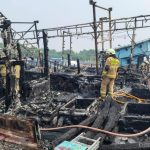
A fire broke out in the production warehouse and oven room of a bamboo factory in Wonokromo, Pleret, Bantul, on Saturday afternoon (July 25, 2026). The fire was first seen billowing black smoke from the oven area after production had finished and most employees had gone home. Initial efforts to extinguish the fire using fire extinguishers were unsuccessful in controlling the flames, which then quickly consumed the production building. The firefighting team, along with the Regional Disaster Management Agency (BPBD), the Indonesian Red Cross (PMI), Tagana (National Agency of Disaster Management), and related agencies, managed to extinguish the fire after several hours. There were no fatalities in this incident, but material losses are estimated to exceed IDR 1 billion. Police are still investigating the exact cause of the fire.
Risk Accident Review
Fires in production facilities using ovens represent a high risk of fire due to processes that generate high heat. If temperature monitoring systems, supporting installations, or operational shutdown procedures are not operating optimally, fires can quickly spread to production warehouses and flammable raw materials. In addition to damaging buildings, machinery, and inventory, such incidents have the potential to halt production activities, disrupt supply chains, and cause significant financial losses. Companies need to implement Fire Risk Management, routine inspections of oven furnaces, automatic fire detection and extinguishing systems, preventive maintenance, as well as Business Continuity Plan (BCP) to maintain operational continuity when an incident occurs.
Types of Insurance Needed
- Industrial All Risk (IAR) Insurance
Provides comprehensive protection for factory buildings, warehouses, production facilities, and company assets from the risk of fire, explosion, and various other operational risks. - Machinery Breakdown Insurance
Covers damage to oven furnaces, production machines, electrical panels and industrial equipment due to mechanical or electrical failure. - Stock Insurance
Protects bamboo raw materials, goods in process, finished products, and other supplies from the risk of fire and damage guaranteed by the policy. - Business Interruption Insurance
Provides protection against loss of profits, fixed operating costs, and cash flow disruptions during production interruptions due to fire. - Public Liability Insurance
Bear legal responsibility if the fire causes damage to third party property or causes injury to people around the location. - Employer’s Liability / Workmen Compensation Insurance
Provides protection to companies regarding compensation obligations for employees who experience work accidents while carrying out duties or during evacuation processes. - Electronic Equipment Insurance (EEI)
Guaranteeing control panels, automation systems, production computers, CCTV, and operational support electronic devices from the risk of damage due to fire or electrical disturbances.
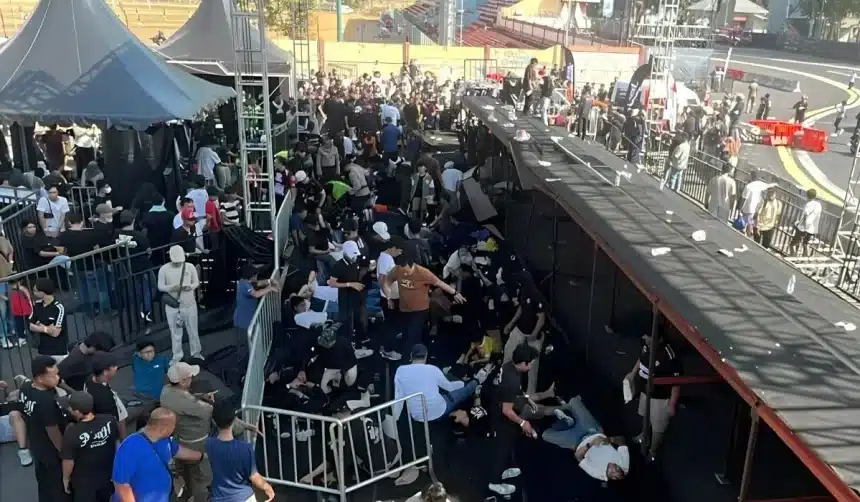
VIP Grandstand Collapses at Purwokerto National Drift Championship, Injuring 90 Spectators
The VIP grandstand at the 2026 National Drift Championship Series 3 at the Satria Purwokerto Sports Hall, Banyumas, collapsed on Sunday (July 26, 2026), injuring 90 spectators. The victims were evacuated using more than 20 ambulances and received treatment at 11 hospitals. Based on the initial police investigation, the incident is suspected to have been triggered by the movement of spectators who jostled when a number of drifters threw shirts towards the grandstand. The movement of the crowd is suspected to have caused uneven load distribution on the non-permanent grandstand, causing the structure to shift and eventually collapse. The Banyumas Police are still investigating to determine the cause and other contributing factors to the incident.
Risk Accident Review
The collapse of the grandstand demonstrates the high safety risks involved in events involving large crowds. In non-permanent structures, changes in load distribution due to spectators moving and crowding can increase dynamic stresses, potentially affecting structural stability. In addition to construction aspects, capacity control, crowd management, promotional activities, evacuation routes, and emergency preparedness are all important factors. Incidents involving dozens of casualties can also result in medical expenses, lawsuits, and reputational damage for organizers. Therefore, pre-event structural inspections and certifications, along with capacity restrictions, are required.event risk assessment, crowd control, and Emergency Response Plan coordinated.
Types of Insurance Needed
- Event Public Liability Insurance
Provides protection to organizers against legal liability if spectators or third parties suffer injury or loss during the event. - Personal Accident Insurance for Participants & Spectators
Provide compensation or benefits according to the policy if participants or spectators suffer injury, permanent disability, or death due to an accident during the event. - Event Cancellation Insurance
Provides protection against financial loss if the event has to be cancelled, stopped or postponed due to an event covered by the policy. - Property All Risk (PAR) Insurance
Protects assets, equipment, facilities and property used during the event from physical damage due to risks covered by the policy.
Conclusion
The seven incidents above serve as a reminder that risks can arise from a variety of activities on roads, in workplaces, at sea, and even at events. The causes are diverse, ranging from human factors and technical failures to fires and structural failures.
Therefore, risk management cannot be implemented solely after an incident occurs. Risk identification, preventative measures, safety procedures, and appropriate insurance coverage must be prepared early to minimize financial and operational impacts.
L&G Insurance Broker ready to be your company’s partner in identifying potential risks, developing mitigation strategies, and designing insurance protection solutions that suit your business characteristics.
Contact the L&G team via WhatsApp at 0811-8507-773 or email to halo@lngrisk.co.id to get professional risk management and insurance program consultation.
Don’t wait for risks to turn into major losses. Consult your business insurance needs with L&G Insurance Broker.