



In recent weeks, numerous accidents have occurred across Indonesia, ranging from restaurant fires and multiple toll road accidents to maritime transportation incidents that have threatened lives and assets. These incidents not only caused significant material losses but also demonstrated that risks can arise at any time, whether from technical factors, human error, or unforeseen external circumstances.
In this summary, we will review the latest shocking events, while also understanding the importance of risk management and insurance protection as crucial mitigation measures.
Bus Loses Control on Batang Toll Road, Hitting 5 Cars at Once
A multiple-vehicle accident occurred on the Pemalang–Batang Toll Road, KM 361+600, lane A, in Gondang Village, Subah District, Batang Regency, Central Java, on Sunday (March 15, 2026) at around 3:45 p.m. WIB. The incident involved a Hino bus belonging to PO Haryanto and five private vehicles.
The bus, driven by Tega Wijanarko (42), a resident of Gunungpati, Semarang City, was traveling from west to east in the left lane. However, at the scene of the incident, the driver allegedly lost control and hit the vehicle in front of him.
The first collision occurred with a Wuling Alvez car driven by Hari Mulyono (50), a resident of East Jakarta. After that, the bus swerved to the right and hit several other vehicles simultaneously.in a row, namely Toyota Innova, Suzuki XL7, and one Chery electric car.
The road conditions at the time of the incident were reported to be straight, flat, and the weather was clear. Despite the involvement of multiple vehicles, there were no fatalities or serious injuries. One person reportedly suffered minor injuries and received medical treatment.
The incident caused traffic congestion on the toll road, before returning to normal after police officers responded to the scene. The Batang Police Traffic Unit is currently investigating the accident.
Risk Accident Review
Multiple accidents on toll roads demonstrate the high risk of multi-vehicle collisions on high-speed lanes, even in straight-line conditions and clear weather. The primary factors typically stem from human error, such as loss of control, driver fatigue, or lack of anticipation of the vehicle ahead. When a single large vehicle, such as a bus, is involved, the impact can be widespread due to the vehicle’s high mass and momentum. Losses include not only vehicle damage but also potential injuries, traffic disruptions, and claims from multiple parties. Without adequate insurance coverage, the burden of repair costs and legal liability can be substantial.
Types of Insurance Needed
- Comprehensive Motor Vehicle Insurance (All Risk)
Protects the private vehicles involved from various types of damage. - Third Party Liability (TPL)
Provides protection against third party losses, including damage to other vehicles and injury to victims. - Personal Accident Insurance
Covers the risk of injury or death to both the driver and passengers.
In transportation operations, especially on toll roads, one small error can trigger a chain accident involving many vehicles at once.
As an insurance broker and consultant, it is important to ensure that every vehicle, both commercial and private, has adequate insurance coverage and is supported by strict driving safety standards to minimize the impact of financial losses and legal risks in the future.
Car Catches Fire While Driving on the Semarang–Solo Toll Road! Suspected Engine Short Circuit
A Ford Ecosport with license plate number H 1796 TX caught fire while driving on the Semarang–Solo toll road on Saturday (March 21, 2026) at around 1:50 p.m. WIB. The incident occurred at KM 449+500 of Route A, in Watuagung Village, Tuntang District, Semarang Regency.
The vehicle was driven by Faisal Zein (27), a resident of Kendal Regency. According to police, the driver was found not to have a Class A driving license when driving the vehicle.
The incident began as the car was traveling from Semarang to Solo. Suddenly, an electrical short circuit occurred in the engine, triggering a spark. The fire quickly grew, accompanied by thick smoke, until the driver stopped the vehicle at the side of the road.
Officers then arrived at the scene to extinguish the fire. There were no fatalities, but the entire car was damaged, with estimated losses reaching around Rp 30 million.
The police urge drivers to always carry out routine vehicle checks and maintenance to prevent similar incidents.
News source: https://regional.kompas.com/read/2026/03/21/164001578/korsleting-saat-melaju-mobil-terbakar-di-tol-semarang-solo
Risk Accident Review
A vehicle fire while in motion presents a high risk of electrical system failure or engine overheating. An electrical short circuit can trigger a spark that quickly spreads, especially in vehicles containing fuel and flammable materials in the engine compartment. The risk increases if the vehicle is not regularly maintained or is used without adequate technical inspection. In addition to total vehicle loss, this incident also has the potential to cause traffic disruption, further accidents, and potential third-party claims if the fire spreads to other vehicles. Without insurance coverage, the owner must cover all losses independently.
Types of Insurance Needed
- Comprehensive Motor Vehicle Insurance (All Risk)
Covers vehicle damage due to fire, short circuits, or other accidents. - Total Loss Only (TLO) Insurance
Provides replacement if the vehicle is totally damaged due to fire. - Third Party Liability (TPL)
Protects against third party claims for damages if the fire impacts other vehicles or public facilities. - Personal Accident Insurance
Provides protection for drivers against the risk of injury or death due to accidents.
In vehicle operations, risks do not only come from road accidents, but also from internal technical failures of the vehicle itself.
As an insurance broker and consultant, it is important to ensure that vehicles have the right protection and are always in roadworthy condition, both in terms of electricity, engine, and complete driver legality to minimize the risk of unexpected losses.
A plastics factory in Cengkareng was completely destroyed by fire, allegedly triggered by a teenager setting off firecrackers in the early hours.
A fire broke out at a plastics factory on Jalan Bojong Raya, Rawa Buaya, Cengkareng, West Jakarta, early Friday morning (March 20, 2026). The incident is strongly suspected to have been triggered by a group of teenagers playing with firecrackers near the scene.
According to officers, the incident began around 3:23 a.m. WIB (Western Indonesian Time) when several teenagers set off firecrackers near the factory area. Despite being reprimanded by local security officers, the teenagers continued their activity.
One of the firecrackers is believed to have entered the factory premises and ignited a fire in the flammable plastic material. The fire quickly spread and destroyed part of the factory.
Firefighters were immediately dispatched to the scene after receiving the report. A total of 17 fire trucks and 85 personnel were deployed to control the blaze. The firefighting effort lasted nearly two hours, finally being extinguished at around 5:10 a.m. Western Indonesian Time.
There were no fatalities or injuries in the incident, but material losses are estimated to be quite large due to the fire involving plastic materials.
Risk Accident Review
Fires in plastic factories pose a very high risk because plastic is highly flammable and can significantly accelerate the spread of fire. This incident also highlights the existence of external risks (third-party risk), where the ignition source originates from uncontrolled external activity. Without a robust perimeter security system, potential external disruptions such as vandalism or public negligence can trigger significant losses. The impact of a fire includes not only damage to buildings and production inventory, but also operational disruptions, potential third-party claims, and reputational risks to the company. Without adequate insurance coverage, financial losses can be significant.
Types of Insurance Needed
- Property All Risks (PAR)
Covers damage to factory buildings and facilities due to fire or other risks, including those caused by third parties. - Stock Insurance
Protect plastic raw materials and finished goods from damage or loss due to fire. - Business Interruption Insurance
Replacing lost income due to the cessation of factory operations following a fire. - Public Liability Insurance
Provides protection if the incident causes losses to third parties around the location. - Industrial All Risks (IAR)
Comprehensive coverage for industrial assets, including buildings, machinery, and stock in one policy.
In the manufacturing industry with flammable materials, risks come not only from internal operations, but also from external factors that are often unexpected.
As an insurance broker and consultant, it is important to ensure the existence of an area security system (security control), active fire protection, and a comprehensive insurance program to protect company assets from various potential risks that can occur at any time.
A ship carrying basic necessities exploded at Selayar Port. Two people were killed, suspected to have been caused by a ruptured gas cylinder.
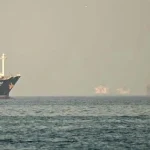
The Motor Ship (KM) Citra Anugrah experienced a massive explosion accompanied by a fire while docked at Rauf Rahman Benteng Port, Selayar Islands Regency, South Sulawesi, on Monday (16/3/2026).
According to police, initial suspicions suggest the explosion originated from a 12-kilogram LPG cylinder found split open at the scene. The explosion occurred suddenly, leaving no time for the crew to escape.
As a result of the incident, two people were declared dead: the ship’s captain, Aryadin (40) and crew member, Arif Jaya (40). Meanwhile, two other crew members survived but suffered injuries. One victim suffered a broken bone after jumping from the ship, while the other suffered minor injuries.
The ship was known to be carrying various logistical needs, including basic necessities, LPG gas, and fuel oil (BBM) which would be distributed to the Pasimarannu District area ahead of Eid.
Authorities are currently conducting further investigations to determine the exact cause of the explosion, while also anticipating disruptions to logistics distribution due to this incident.
Risk Accident Review
The ship explosion incident demonstrated the high risk of transporting hazardous cargo, such as LPG and fuel, in a single mode of transport. The combination of flammable materials in a confined space increases the potential for explosions due to gas leaks, excessive pressure, or inadequate handling. In addition to asset losses, major risks include loss of life, total ship damage, disruption to logistics distribution, and potential environmental pollution. The absence of strict safety procedures, such as cargo segregation and routine inspections, can magnify the impact of losses. Insurance coverage is crucial to mitigate financial and operational risk exposure.
Types of Insurance Needed
- Marine Hull Insurance
Covers damage or loss of ships due to explosions, fires and other marine accidents. - Marine Cargo Insurance
Protecting cargo such as basic necessities, LPG, and fuel from the risk of damage or loss during transportation. - Protection & Indemnity (P&I) Insurance
Provides protection against legal liability to crew members, third parties, and the risk of death or injury. - Personal Accident Insurance (Crew Insurance)
Guaranteeing protection for ship crew against the risk of work accidents, including death and permanent disability. - Pollution Liability Insurance
Cover the risk of environmental pollution due to fuel spills or other hazardous materials.
In maritime logistics activities, especially those involving high-risk cargo, strict safety standards and comprehensive insurance protection are required.
As an insurance broker and consultant, it is important to ensure that every shipping process is equipped with good risk management, appropriate handling procedures, and optimal financial protection to minimize the impact of major losses such as this incident.
A tourist boat sank off Salah Namo Island in North Sumatra due to engine failure and leaks.
A fishing boat carrying a group of tourists had an accident and sank in the waters of Salah Namo Island, Batubara Regency, North Sumatra, on Monday (24/3/2026).
The incident occurred while the ship was en route to the tourist destination. Around 4:00 PM WIB, the ship allegedly experienced engine failure, which then led to water entering the hull. This situation triggered panic among the passengers.
The tourists finally took the initiative to save themselves by heading to a nearby island before the ship sank completely. Upon receiving the emergency report, the Water Police (Polairud) team immediately moved to the location using a local fishing boat.
When officers arrived at around 6:00 PM WIB, the ship was already sinking. Fortunately, all 64 passengers survived, having reached land first. Further evacuations were carried out that night, and all victims arrived safely at Tanjung Tiram Port in the early morning.
The police are still investigating to determine the exact cause of the incident, while also urging the public to pay more attention to safety aspects during marine tourism activities.
News source: https://sumut.inews.id/berita/kapal-nelayan-karam-di-pulau-salah-namo-batubara-64-wisatawan-diselamatkan/all
Risk Accident Review
This pleasure boat accident illustrates the high risks inherent in non-commercial or traditional maritime transportation, which often suffers from limited technical airworthiness and safety standards. Engine failure and subsequent hull leaks indicate potential maintenance failures and a lack of routine pre-voyage inspections. Key risks include shipwreck, mass casualties, and delayed evacuation due to limited rescue facilities. Other factors such as overcapacity, weather, and inadequate safety equipment can also exacerbate the situation. Without insurance coverage, both operators and passengers face significant financial and legal consequences.
Types of Insurance Needed
- Marine Hull Insurance
Covers damage or loss of ships due to sinking, leaks, or other marine accidents. - Passenger Liability Insurance
Provides protection against operator liability to passengers for the risk of accidents. - Personal Accident Insurance
Ensures protection for passengers against the risk of injury, disability or death. - Marine Cargo Insurance (if carrying goods)
Protecting luggage or logistics during sea travel. - Protection & Indemnity (P&I) Insurance
Covers the risk of legal liability, including evacuation, passenger injury, and third-party claims.
In the marine tourism sector, safety must be a top priority, particularly regarding vessel seaworthiness, passenger capacity, and emergency preparedness.
As an insurance broker and consultant, it is important to ensure that each operator has good operational standards and adequate insurance coverage, to mitigate the impact of major risks that can suddenly occur at sea.
Bali House Restaurant in South Tangerang Burns Down 99%! Bamboo Structure and Strong Winds Cause the Fire to Spread Uncontrollably
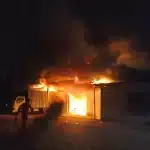
A massive fire engulfed the Bali House restaurant on Jalan Raya Puspitek, Buaran, Serpong District, South Tangerang City, on Tuesday evening (March 17, 2026). The building, largely constructed of bamboo and with a thatched roof, was almost completely destroyed.
Officers received a report of the incident at around 8:30 PM WIB. The fire quickly spread due to the highly flammable building materials, coupled with strong winds, which accelerated the spread of the flames throughout the restaurant.
Eight fire trucks, including assistance from Bogor Regency, were deployed to extinguish the fire. After intensive efforts, the blaze was finally brought under control at around 10:40 PM WIB.
The firefighting process was hampered by traffic congestion in the area and limited water resources. Two firefighters experienced shortness of breath while on duty, but their condition has since improved.
There were no fatalities in the incident, but material losses are estimated at around Rp 2 billion. The initial suspicion is that the fire was caused by an electrical short circuit.
Risk Accident Review
Fires in commercial buildings made from highly combustible materials like bamboo and thatch can spread very quickly, especially when influenced by strong winds. The risk is exacerbated by the potential for electrical short circuits, which are often the primary ignition source. In addition to total building damage, operational obstacles to extinguishing fires, such as limited access, congestion, and limited water sources, can increase the severity of losses. This incident also presents a significant risk to firefighter safety and the potential for business interruption. Without an active fire protection system and adequate insurance, business owners face significant financial impacts and long-term operational disruptions.
Types of Insurance Needed
- Property All Risks (PAR)
Covers damage to restaurant buildings due to fire, including electrical short circuits. - Business Interruption Insurance
Replacing lost income due to business operations being halted following a fire. - Public Liability Insurance
Protects against third party claims, including visitors or affected parties. - Fire Insurance
Provides specific protection against fire risks to business assets. - Employee Personal Accident Insurance
Ensures protection for employees against the risk of injury during emergency events.
In the culinary business with a natural building concept, fire risk needs to be a primary concern due to the flammable nature of the material.
As an insurance broker and consultant, it is important to ensure the presence of a fire protection system, regular electrical installation inspections, and comprehensive insurance coverage to minimize the impact of major losses such as this incident.
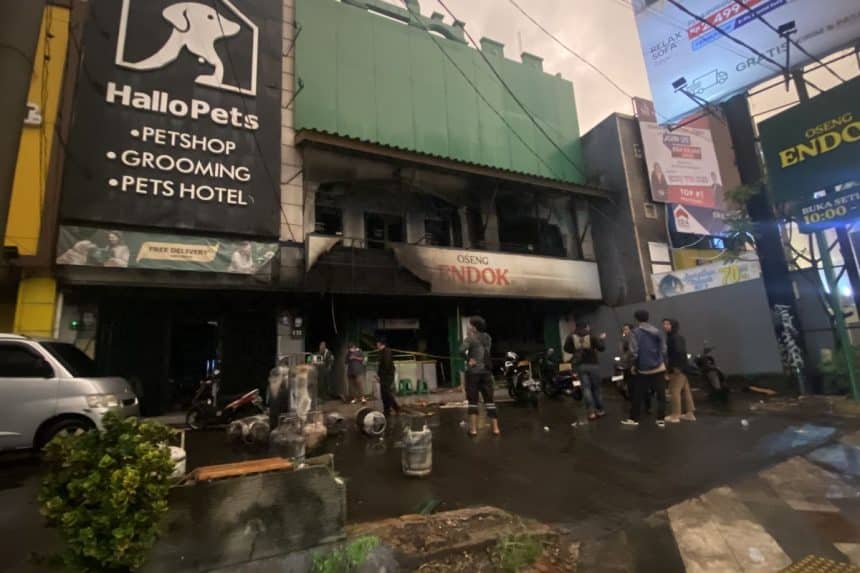
The Oseng Endok restaurant in Depok was completely destroyed by fire. Allegedly caused by a gas leak, causing losses of up to Rp 3 billion.
A fire engulfed the Oseng Endok Restaurant on Jalan Margonda Raya, Depok, West Java, on Saturday (March 21, 2026). The incident destroyed most of the building, including the rear area of the restaurant, which was reportedly newly opened.
According to reports at the scene, the fire is believed to have started around 1:30 PM WIB. When residents arrived, thick smoke was already billowing high into the air. Several gas cylinders were seen charred and were evacuated from the restaurant area after the incident.
The Depok City Fire Department reported that the fire originated in the kitchen area. Preliminary suspicions are that a gas leak ignited the gas hose, which ignited the stove, sparking a massive blaze.
Eight fire trucks and 35 personnel were deployed to handle the incident. The fire was extinguished around 5:55 PM WIB, aided by rain falling in the Depok area.
There were no fatalities or injuries in this incident. Sixty people were safely evacuated. Material losses were estimated at Rp 3 billion, while assets worth Rp 11 billion were salvaged.
Risk Accident Review
Restaurant fires caused by gas leaks present a high risk to commercial kitchen operations, especially those using LPG as the primary fuel. Undetected leaks in gas lines can easily be ignited by open flames, causing flashfires and rapid fire spread. The risk is exacerbated by a lack of routine inspections, inadequate ventilation, and the absence of gas leak detection systems. The impacts include not only asset damage and operational disruption, but also the potential for mass casualties if evacuations are delayed. Without risk mitigation and insurance protection, financial losses can be significant for businesses.
Types of Insurance Needed
- Property All Risks (PAR)
Covers damage to restaurant buildings due to fire, including gas leaks. - Business Interruption Insurance
Replacing lost income due to operational interruption following a fire. - Public Liability Insurance
Protects against third party claims, including customers who were at the location when the incident occurred. - Equipment Breakdown Insurance
Covers damage to kitchen equipment due to technical failure or operational incidents.
In the culinary business, the kitchen area is the highest risk point that requires special attention.
As an insurance broker and consultant, it is important to ensure regular inspections of gas installations, the use of standard equipment, and comprehensive insurance coverage to minimize the potential for significant losses due to unforeseen events such as these.
From various incidents ranging from fires and traffic accidents to maritime accidents, it’s clear that risk is always present in every activity, whether personal or business. Many of these incidents can be minimized through a combination of proper prevention and adequate insurance coverage.
As insurance brokers and consultants, our role extends beyond providing financial protection to helping identify potential risks early and providing tailored solutions. With sound risk management and the right insurance support, significant losses can be minimized, and business continuity and individual safety can be better assured.