



A series of accidents and fires has once again highlighted the fragility of safety and risk management systems across Indonesia’s various sectors. From electric car fires on toll roads, container truck accidents and container detaching, factory fires caused by lightning strikes, and the most serious incident, the crash of an ATR 42-500 aircraft during an airport approach—all of these events demonstrate the broad, complex, and impactful spectrum of risks. They pose not only billions of rupiah in material losses but also risks to human safety, supply chain disruptions, legal liability, and operational continuity.final. In the edition7 Shocking Accident Incidents in IndonesiaIn this case, each incident is analyzed from the perspective of risk and the need for crucial insurance protection.
Electric Car Catches Fire on the JORR Toll Road! Investigation Reveals Battery Pack Still Intact. What Was the Real Cause?
A fire involving an electric car has occurred again in Indonesia. A DFSK Gelora E electric vehicle caught fire while traveling on the Jakarta Outer Ring Road (JORR) toll road at Km 23+300 A on Friday (January 16, 2026) at around 4:15 PM WIB. The incident went viral after a video of the extinguishing process circulated on social media.
PT Sokonindo Automobile, the manufacturer, stated that it had received a report of the incident and confirmed there were no fatalities. Based on the technical team’s initial investigation, key components, including the battery pack, high-voltage cables, power distribution unit, electric motor, and on-board charger, were found intact. However, the company is still conducting an in-depth investigation with external parties to determine the exact cause of the fire.
Risk Accident Review
Fires in electric vehicles pose a different risk profile than conventional cars, particularly due to their high-voltage battery systems and complex electronic components. Incidents on toll roads increase the potential for multiple losses: total vehicle damage, traffic disruption, special evacuation costs, and the risk of legal liability if damage occurs to others. Even if initial investigations indicate an intact battery pack, factors such as short-circuiting accessories, electrical modifications, or external heat still require vigilance. The lack of dedicated EV fire extinguishing facilities can also increase claim amounts. Fleet owners and operators must have insurance plans that adapt to the risk characteristics of electric vehicles.
Types of Insurance Needed
- Motor Vehicle Insurance – Comprehensive/All Risk
Covers damage due to fire, collision, and evacuation costs specifically for electric cars. - EV-Specific Fire Warranty Expansion
Protection against lithium battery risks, thermal runaway, and special outage handling. - Third Party Liability (TPL)
Covers third party claims if the incident causes damage to other vehicles, toll infrastructure, or injury to road users. - Personal Accident for Driver & Passenger
Protection in case of injury or fatal risk in an accident.
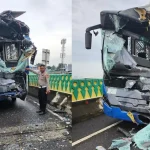
Container Detaches from Salatiga Highway! Container Truck Involved in Single-Sided Accident
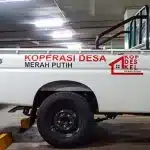
A Nissan container truck with the license plate number B-9532-UU was involved in a single accident on the South Ring Road (JLS) Salatiga, near the Family Hotel, Sidomukti, Monday night (19/01/2026). The vehicle driven by Gatot Triyono (56), a resident of Sawah Besar Semarang, was traveling from Blotongan towards Cebongan.
Crime scene investigation revealed the truck veered too far to the left, hitting a tree branch. The impact caused the container to detach from the truck’s bed. There were no fatalities or injuries in the incident, but material damage is estimated at around Rp 5 million.
Traffic police officers immediately secured the location and directed traffic. Police urged freight drivers to ensure their vehicles were roadworthy and their loads were securely secured before operating.
Risk Accident Review
The container detachment incident demonstrates the high operational risks in land logistics transportation, particularly related to cargo lashing and vehicle condition. Human error, substandard lashing techniques, and minimal pre-road inspections are the main triggers. Even without casualties, the potential losses could be much greater: damage to other vehicles, damage to road infrastructure, claims for delayed delivery, and legal liability for the goods owner. For transportation companies, this incident underscores the importance of compliance-based risk management, cargo security standard operating procedures (SOPs), and integrated insurance coverage for vehicles, cargo, and third-party liability.
Types of Insurance Needed
- Motor Vehicle Insurance – All Risk for Trucks
Covers unit damage due to a single accident, including towing costs and body/chassis repairs. - Marine Cargo Insurance (Inland Transit)
Protecting the value of goods in containers from the risk of falling, rolling or being damaged during land transportation. - Third Party Liability (TPL)
Protection if the container damages other vehicles, public facilities, or gives rise to legal claims. - Personal Accident Driver
Guarantee for drivers in case of injury during operations.
Source: https://rasikafm.com/truk-kontainer-alami-laka-tunggal-di-jls-sopir-hanya-kaget/
Lightning Triggers Fire at Bag and Shoe Raw Materials Factory in Jepara, Causing Rp5 Billion in Losses
A major fire engulfed a bag and shoe raw materials factory owned by PT Chengqi Industrial Indonesia in Pringtulis Village, Nalumsari District, Jepara, on Saturday morning. The fire was reported to have started around 10:38 a.m. WIB (Western Indonesian Time) and was fully extinguished at 3:45 p.m. WIB after 12 fire trucks from various agencies were deployed together.
The teams involved included members of the Jepara Fire Department, the Regional Disaster Management Agency (BPBD), the Police, the Environment Agency (DLH), and firefighting units from nearby companies. Initial suspicions suggest the fire was triggered by a lightning strike that caused an electrical short circuit. The affected area is estimated to be 150 x 100 meters.
The incident resulted in two workers suffering burns and is currently being treated at PKU Regional Hospital. There were no fatalities, but material losses are estimated at Rp 5 billion. Authorities are still investigating and securing the aftermath of the incident.
Risk Accident Review
Fires caused by lightning strikes demonstrate the high risk exposure of industrial facilities storing flammable materials such as textile, rubber, and synthetic raw materials. The absence of lightning protection systems, substandard electrical installations, and minimal internal fire protection can accelerate the escalation of fires. The financial impact includes not only damage to buildings and inventory, but also operational disruptions, delayed deliveries to buyers, contract penalty claims, and liability for injured workers. Manufacturing companies are required to have multi-layered mitigation measures: technical protection (hydrants, fire extinguishers, lightning systems), occupational health and safety procedures, and comprehensive insurance schemes to ensure business continuity after an accident.
Types of Insurance Needed
- Property All Risk (PAR) / Industrial All Risk
Covers damage to buildings, machinery and stock due to fire, lightning, explosion and other property risks. - Business Interruption (Loss of Profit)
Reimburse lost revenue due to production downtime during factory recovery. - Workmen Compensation / Employer’s Liability
Protection of medical costs and compensation for workers who suffer burns. - Public Liability Insurance
Anticipate third party claims if the fire impacts the surrounding environment. - Machinery & Electrical Equipment Insurance
Guarantees damage to production machines due to short circuits or electrical disturbances.
Padang Fish Warehouse Fire Causes IDR 600 Million in Losses and IDR 2 Billion in Assets Nearly Destroyed
A fish storage warehouse at Jalan Tanah Baroyo No. 32, Belakang Tangsi Village, Padang Barat District, Padang City, caught fire on Monday afternoon (January 19, 2026). The fire reportedly began at around 3:40 p.m. WIB on the second floor of the building and quickly spread, destroying most of the warehouse, which covers approximately 100 square meters.
The Padang City Fire Department immediately deployed six fire trucks with approximately 80 personnel. Thanks to their swift response, the fire was successfully localized and extinguished around 4:15 p.m. WIB, preventing it from spreading to surrounding buildings. There were no fatalities or injuries in the incident.
Material losses are estimated at Rp 600 million, while assets worth around Rp 2 billion were saved. The Indonesian Red Cross (PMI), Indonesian National Armed Forces (TNI), Indonesian National Police (Polri), PLN (State Electricity Company), Public Order Agency (Satpol PP), and local authorities assisted in the firefighting efforts. The cause of the fire is still under investigation by authorities.
Risk Accident Review
Fires in cold storage facilities and fish warehouses pose a high risk due to the presence of high-power electrical installations, refrigeration equipment, and flammable packaging materials. Delays in fire detection can damage stocks worth billions and disrupt food supply chains. This incident highlights the importance of active fire protection systems such as hydrants, fire extinguishers, and regular electrical inspections. Beyond physical damage to buildings, the greatest potential losses stem from the destruction of frozen fish stocks and the interruption of business operations. Without proper insurance, business owners risk facing a significant recovery burden.
Types of Insurance Needed
- Property All Risk (PAR) / Fire Insurance
Covers damage to buildings, refrigeration machines, and fish stocks due to fire, short circuits, or explosions. - Business Interruption (Loss of Profit)
Reimburse lost revenue while the warehouse is out of service. - Machinery Breakdown Insurance
Protects compressors, freezers, and cold storage installations that are vulnerable to damage during fire. - Stock Deterioration Insurance
Guarantees against damage to fish quality due to electrical disturbances or post-fire temperatures. - Public Liability Insurance
Protection if a fire causes damage to neighboring buildings or third parties.
Source: https://katasumbar.com/gudang-ikan-di-padang-barat-terbakar-kerugian-capai-rp600-juta/
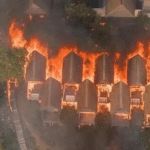
A fire raged through a densely populated area of Kendari, destroying 17 buildings and causing losses of up to Rp5 billion.
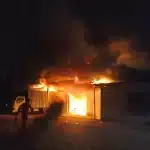
A massive fire engulfed a densely populated area on Jalan Pembangunan, Sanua Village, West Kendari District, Kendari City, Southeast Sulawesi, on Saturday evening (January 17, 2026). The incident destroyed a total of 17 buildings, including three clove warehouses, six kiosks, four food stalls, and four homes.
The Head of the Kendari City Fire Department, Ahriawandy Effendy, stated that the fire was reported at around 9:55 p.m. WITA (Central Indonesian Time). When firefighters arrived on the scene, the fire had already grown large and quickly spread to surrounding buildings, as most of the structures were constructed of wood and planks.
The firefighting effort involved Kendari Fire Department personnel, supported by the Indonesian National Armed Forces (TNI), the Indonesian National Police (Polri), the Search and Rescue (SAR) community, and the tower community, who provided water. The fire was completely extinguished around 12:40 a.m. WITA (Central Indonesian Time), and cooling operations were underway to prevent further fires. There were no fatalities, but material losses are estimated at Rp 5 billion (approximately US$300,000). The cause of the fire is still under investigation by authorities.
Risk Accident Review
Fires in densely populated areas with semi-permanent buildings pose a very high risk of escalation. The presence of clove warehouses with flammable materials, kiosks, and adjacent houses accelerates the spread of fire and increases losses. In addition to building damage, the risk of lost inventory, disruption to livelihoods, and potential third-party claims are serious consequences. This incident underscores the importance of fire risk management, including segregated storage areas, active fire protection systems, and adequate insurance coverage to prevent business owners and residents from facing significant financial burdens in the aftermath of an incident.
Types of Insurance Needed
- Fire Insurance / Property All Risk (PAR)
Protect warehouse buildings, kiosks, houses and their contents from the risk of fire. - Stock Insurance
Covers losses of raw clove materials and merchandise due to fire. - Business Interruption (Loss of Profit)
Replacing lost income due to the cessation of shop and kiosk businesses. - Public Liability Insurance
Protection against third party claims due to the impact of fire on surrounding buildings. - Personal Accident Insurance
Additional protection for business owners and workers from the risk of work accidents. - Home Insurance
Providing financial recovery guarantees for residents affected by fires.
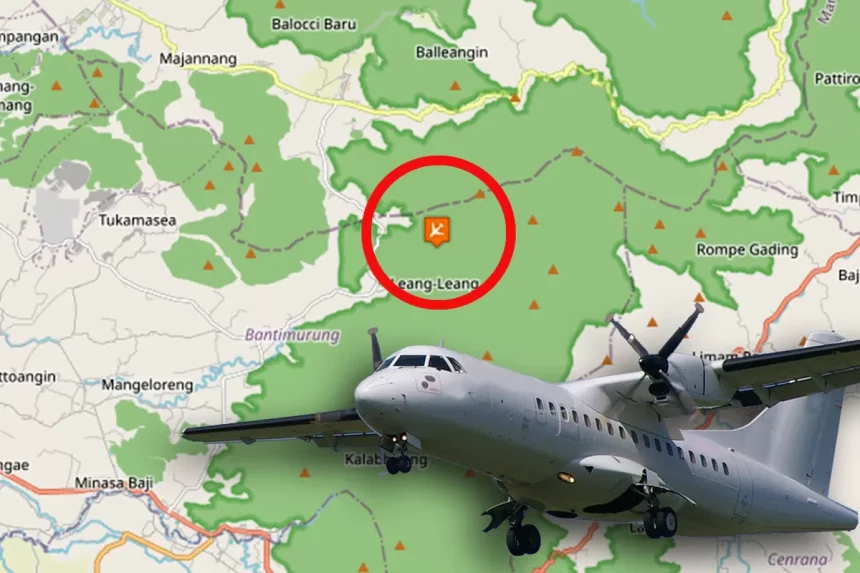
An ATR 42-500 aircraft belonging to Indonesia Air Transport lost contact and was found crashed in Maros, South Sulawesi.
An ATR 42-500 aircraft belonging to Indonesia Air Transport, chartered by the Ministry of Maritime Affairs and Fisheries for a surveillance mission, reportedly crashed in the Maros region of South Sulawesi. Transportation Minister Dudy Purwagandhi explained that the aircraft departed from Yogyakarta for Makassar on Saturday (January 17, 2026) carrying 10 people, consisting of seven crew members and three passengers from the Ministry of Maritime Affairs and Fisheries.
While approaching Sultan Hasanuddin Airport at around 12:23 a.m. WITA, Air Traffic Control (ATC) detected the aircraft was not on the proper approach path and issued a position correction instruction. Shortly thereafter, communication was lost and contact was declared lost, prompting an emergency phase to be declared.
A joint search operation involved Basarnas, the Indonesian National Armed Forces (TNI), the Indonesian National Police (Polri), the National Transportation Safety Committee (KNKT), and Airnav. The following day, aircraft debris was found in the Mount Bulusaraung area. The SAR team also recovered two bodies, while the investigation into the cause of the crash is ongoing.
Risk Accident Review
This flight accident demonstrated a highly complex risk exposure: operational risks of the chartered aircraft, navigation during approach, and ATC coordination. Loss of contact during the critical landing phase increases the likelihood of significant claims, including damage to the aircraft’s fuselage and liability to passengers, crew, and third parties on the ground. Furthermore, there are contractual risks between the operator and charterer (the Ministry of Maritime Affairs and Fisheries) related to the failure of the surveillance mission. This incident underscores the importance of aviation safety management, procedural compliance, and a multi-layered insurance structure to adequately and quickly address the financial impact on the operator, charterer, and victims’ families.
Types of Insurance Needed
- Aviation Hull & Liability Insurance
Covers total/partial damage to the aircraft hull. Legal liability to passengers, crew, and third parties. - Passenger Legal Liability
Death/disability benefits for passengers according to aviation regulations. - Crew Personal Accident & Loss of License
Special protection for pilots and crew, including the risk of losing their license.
A fire at a herbal medicine factory in Gunung Putri, Bogor, caused chemical fumes to engulf the industrial area.
A major fire broke out at the herbal medicine factory of PT Phytochemindo Reksa, located in the PT Darya Varia area of Cicadas Village, Gunung Putri, Bogor, on Friday morning (January 16, 2026). The fire is believed to have originated in a raw material oven in the production room and quickly sent thick black smoke billowing outward, visible beyond the industrial area. Residents nearby even heard explosions coming from within the factory.
Firefighters received a report at around 9:40 a.m. Western Indonesian Time and immediately deployed units from Gunung Putri, Cileungsi, Bogor City, and Babakan Madang. The firefighting effort lasted approximately three hours, hampered by limited access and the large pile of flammable drugs and cardboard boxes. Firefighters had to use breathing apparatus due to the thick smoke. There were no fatalities, and the exact cause of the fire is still under investigation by police.
Risk Accident Review
The pharmaceutical industry faces a high level of risk due to the use of heating ovens, active chemicals, and the storage of flammable materials such as cardboard and packaging. These incidents have the potential to cause significant losses, including damage to production machinery, contamination of raw materials and finished products, and even business interruption. Chemical fumes also increase the risk of environmental liability and worker health. Limited access to premises slows extinguishing operations and increases losses. Without comprehensive insurance protection, companies face the burden of asset recovery costs, drug stock replacement, distribution disruptions, and potential third-party claims from tenants in industrial areas.
Types of Insurance Needed
- Property All Risk (PAR) – termasuk Fire & Explosion
Covers damage to buildings, production machines, ovens and drug stocks due to fire/explosion. - Business Interruption Insurance
Replace lost profits and fixed costs while the factory is out of operation. - Stock & Deterioration Insurance
Guarantees damage to raw materials, finished products, and packaging contaminated by smoke/heat. - Public Liability Insurance
Protects against third party claims (nearby tenants, residents, industrial environment). - Environmental Impairment Liability
It is important because it involves chemicals and potential contamination. - Workmen Compensation / Employer Liability
Protection for workers in the event of injury due to a similar incident.
—
These incidents all highlight one important conclusion: operational risks, fires, and transportation accidents are no longer incidental, but rather a tangible consequence of technological complexity, operational intensity, and weak prevention systems across a number of sectors. Without disciplined risk management, adherence to safety standards, and appropriate insurance schemes—from vehicles, cargo, property, legal liability, to aviation liability—the financial and legal impacts can extend far beyond the initial physical damage. With the increasing frequency and escalation of incidents, a comprehensive preventive approach and insurance protection are no longer just complementary, but fundamental to maintaining human safety and business continuity.
—
DON’T WASTE YOUR TIME AND SECURE YOUR FINANCES AND BUSINESS WITH THE RIGHT INSURANCE.
HOTLINE L&G 24 JAM: 0811-8507-773 (PHONE – WHATSAPP – SMS)
Website: lngrisk.co.id
Email: halo@lngrisk.co.id
—