



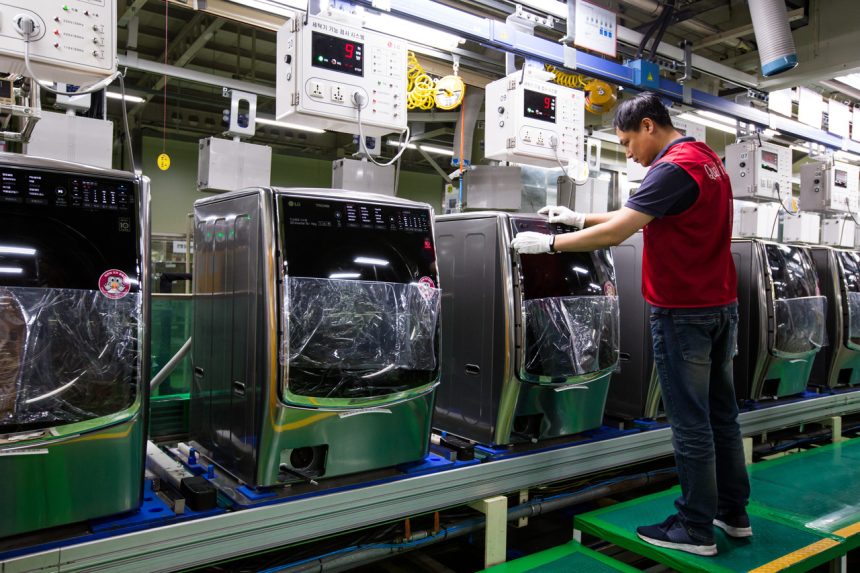
Why Electronics Manufacturing Carries the Highest Risk Concentration
Electronics and precision manufacturing represent some of the highest-value, highest-risk industrial investments in Southeast Asia. For Korean companies operating overseas, especially in Indonesia, success is not defined solely by production efficiency or labor costs—but by how well operational risks are managed, and financial risks are mitigated.
Batam has emerged as a strategic manufacturing base for Korean electronics companies due to its Free Trade Zone status, proximity to Singapore, and strong industrial infrastructure. Many Korean firms operate facilities producing:
- Electronic components and assemblies
- Precision parts and modules
- Control systems and industrial electronics
- High-value export-oriented products
However, electronics manufacturing also concentrates significant risk in a single location. A minor incident—fire, power failure, machinery breakdown, or clean-room disruption—can trigger massive business interruption losses and contractual consequences across global supply chains.
This is why risk management and insurance planning for electronics plants must be precise, proactive, and professionally structured.
The Unique Risk Profile of Electronics Manufacturing Plants
Unlike conventional manufacturing, electronics and precision facilities face a combination of high asset value and extreme sensitivity to disruption.
Key characteristics include:
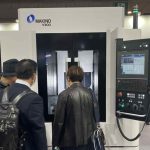
- Expensive machinery and imported equipment
- Clean-room or controlled environments
- High dependency on continuous power supply
- Just-in-time production schedules
- Tight delivery commitments to global OEM customers
Because of this, electronics plants are often underinsured, poorly protected, or misaligned with actual operational risk, especially when insurance is treated as a compliance item rather than a strategic tool.
Major Risks Faced by Korean Electronics Manufacturers in Batam
- Fire Risk: The Largest Single Threat
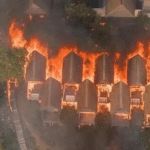
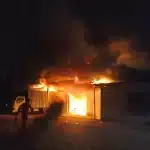
Fire remains the most severe risk for electronics manufacturing facilities in Indonesia.
Fire risk factors in electronics plants include:
- High electrical load from production equipment
- Overheating of machinery and control panels
- Dense cabling and wiring systems
- Plastic components and packaging materials
- Clean-room airflow that can spread smoke rapidly
Even a small electrical fire can result in:
- Total contamination of clean-room environments
- Damage to sensitive equipment
- Prolonged shutdown for decontamination
- Loss of customer confidence
In many cases, smoke damage and contamination cause more loss than flames themselves—yet these exposures are often underestimated during insurance placement.
- Clean-Room and Controlled Environment Risk
For precision electronics manufacturers, clean-room integrity is critical.
Key clean-room risks include:
- Smoke or dust contamination
- Fire suppression residue damage
- HVAC system failure
- Improper maintenance or modification
- Power instability
A disruption lasting only a few hours can require weeks of recalibration, validation, and certification, especially for export-oriented production.
If clean-room risk is not properly identified and insured:
- Business interruption losses may not be fully recoverable
- Claims may be limited due to policy exclusions
- Recovery time may be underestimated by insurers
- Machinery Breakdown and Electrical Failure
Electronics manufacturing relies heavily on:
- Automated production lines
- Precision calibration systems
- PLC and control systems
- High-speed assembly equipment
Machinery breakdown risks include:
- Electrical short circuits
- Control system malfunction
- Voltage fluctuations
- Cooling system failure
- Human error during maintenance
A single machinery failure can halt multiple production lines simultaneously. Without proper machinery breakdown and business interruption coverage, losses quickly escalate beyond repair costs.
- Power Supply and Utility Dependency Risk
Stable electricity is essential for electronics production.
Key power-related risks in Batam include:
- Sudden power outage
- Voltage fluctuation
- Inadequate backup systems
- Failure of UPS or generator systems
Power disruptions may result in:
- Equipment damage
- Loss of in-process goods
- Production scrap
- Extended downtime
Insurance policies that do not specifically address utility failure and resulting damage may leave companies exposed.
- Supply Chain and Export Commitment Risk
Most Korean electronics plants in Batam are export-driven, supplying components to global production networks.
Risks include:
- Delayed shipments due to plant shutdown
- Contractual penalties from OEM customers
- Loss of preferred supplier status
- Increased logistics costs during recovery
Business interruption losses often exceed physical damage—but only if properly insured.
Risk Management Framework for Electronics Manufacturing Plants
Effective risk management for electronics facilities must be systematic and integrated.
Step 1: Risk Identification Based on Actual Operations
Risk identification must consider:
- Process flow
- Equipment layout
- Electrical load distribution
- Fire protection design
- Dependency between production lines
Generic risk checklists are insufficient for high-precision environments.
Step 2: Risk Control Through Engineering and Operations
Fire Protection Controls
Key fire risk controls include:
- Automatic fire detection and early warning systems
- Clean-agent fire suppression for sensitive areas
- Fire compartmentation between production zones
- Hot work permit systems
- Regular electrical inspections and thermography
Insurers closely evaluate these controls when pricing premiums and settling claims.
Machinery and Process Controls
Effective controls include:
- Preventive and predictive maintenance programs
- Critical spare parts inventory
- Redundancy planning for key equipment
- Operator and technician training
- Clear maintenance documentation
These controls reduce both frequency and severity of losses.
Step 3: Risk Transfer Through Proper Insurance Structuring
Insurance should not be purchased as a standard package. It must reflect actual exposure.
Essential insurance covers for electronics plants include:
- Property All Risks Insurance
- Machinery Breakdown Insurance
- Business Interruption Insurance
- Electronic Equipment Insurance
- Public and Employer’s Liability Insurance
- Marine Cargo Insurance for imports and exports
Critical considerations:
- Accurate replacement value of machinery
- Adequate business interruption indemnity period
- Appropriate deductibles for electronics risks
- Policy wording covering smoke, contamination, and utility failure
Why Insurance Fails for Many Electronics Manufacturers
Insurance failures usually occur due to:
- Under-declared asset values
- Inadequate business interruption limits
- Exclusions for electrical or contamination damage
- Misalignment between policy terms and actual operations
- Poor documentation at the claim stage
These issues are rarely visible until after a loss occurs.
The Strategic Role of Insurance Brokers in Electronics Risk
Insurance brokers are essential partners for electronics manufacturers—especially foreign investors.
A professional broker:
- Translates technical operations into insurable risks
- Coordinates engineering surveys with insurers
- Aligns local insurance policies with Korean HQ standards
- Structures business interruption coverage correctly
- Acts as claim advocate during complex loss events
In Indonesia, where policy wording and claims practice require local expertise, this role is critical.
Why Korean Electronics Companies in Batam Work with L&G Insurance Broker
L&G Insurance Broker supports Korean and foreign electronics manufacturers across Indonesia with a risk-based, engineering-oriented approach.
Our services include:
- On-site electronics plant risk assessment
- Fire and clean-room risk analysis
- Machinery and BI exposure mapping
- Insurance gap analysis
- Claims preparation and negotiation support
We understand:
- The expectations of the Korean headquarters
- The operational realities of Indonesian plants
- The importance of certainty during claims—not surprises
Our objective is not simply to place insurance, but to ensure insurance performs when it matters most.
Business Interruption: The Most Underestimated Loss
For electronics manufacturers, physical damage is often not the main loss.
Business interruption losses may include:
- Lost production margin
- Overtime and recovery costs
- Outsourcing expenses
- Contractual penalties
- Loss of customer trust
Without properly structured BI insurance:
- Recovery may take months
- Financial impact may exceed insured limits
- Global supply chain relationships may suffer
Risk Management as a Competitive Advantage
Well-managed electronics plants benefit from:
- Faster recovery after incidents
- Lower long-term insurance costs
- Stronger insurer support
- Better credibility with global customers
- Improved operational resilience
Risk management is no longer a defensive strategy—it is a competitive advantage.
Conclusion: Protecting Precision, Continuity, and Capital
Electronics manufacturing in Batam offers strong strategic advantages for Korean companies—but only if risks are properly identified, controlled, and insured.
High-value assets, clean-room environments, and global supply chain commitments demand:
- Professional risk management
- Accurate insurance structuring
- Strong local advisory support
Risk ignored becomes loss. Risk management becomes stability.
If your company:
- Operates an electronics or precision manufacturing plant in Batam
- Is expanding production capacity
- Depends on uninterrupted operations for global supply chains
Now is the right time to review your risk and insurance strategy.
Contact L&G Insurance Broker for a professional electronics manufacturing risk and insurance review, tailored specifically for Korean companies operating in Indonesia.
Protect your technology – Protect your production – Protect your investment
—
DON’T WASTE YOUR TIME AND SECURE YOUR FINANCES AND BUSINESS WITH THE RIGHT INSURANCE.
HOTLINE L&G 24 JAM: 0811-8507-773 (PHONE – WHATSAPP – SMS)
Website: lngrisk.co.id
Email: halo@lngrisk.co.id
—