



About the author.
Mhd. Taufik Arifin, ANZIIF (Snr. Assoc) presents this article. Taufik is Founder and CEO of L&G Insurance Broker, with over 43 years of direct experience in Indonesian risk management, insurance structuring, governance advisory, and complex claims execution.
His work focuses on protecting foreign investors, boards, institutions, and multinational companies operating in Indonesia by translating local regulatory, operational, ESG, and governance risks into practical, insurable, and executable risk strategies.
The analysis presented reflects real Indonesian loss experience, not theoretical or offshore assumptions.
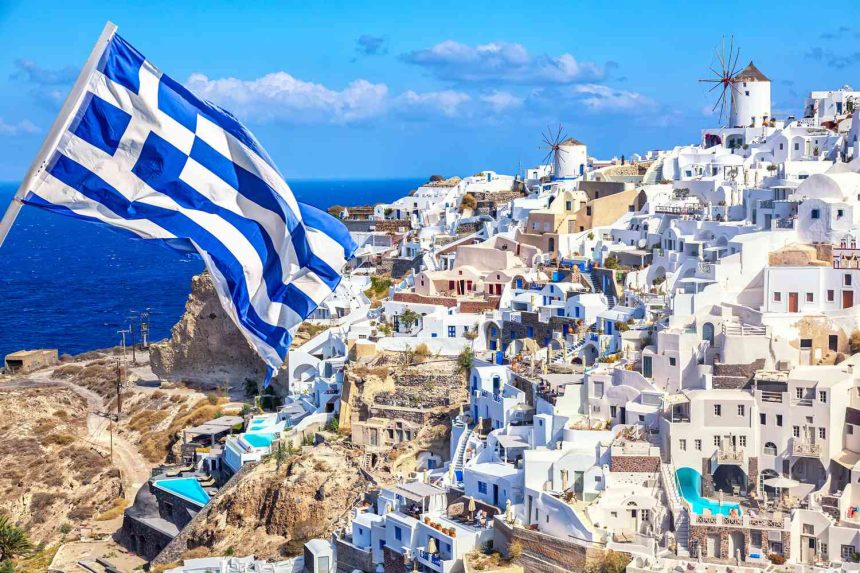
Greek Maritime Heritage Meets Indonesia’s Archipelagic Reality
Greece is globally synonymous with maritime excellence. Greek shipowners, operators, and maritime financiers have shaped international trade for generations—built on disciplined risk management, operational know-how, and long-term asset stewardship. Operating under the governance and regulatory expectations of the European Union, Greek maritime enterprises are accustomed to markets where contracts are standardized, insurance mechanisms are established, and claims follow predictable pathways.
When Greek maritime capital and expertise extend into Indonesia, the opportunity is compelling—but the operating reality is fundamentally different. Indonesia is the world’s largest archipelagic state, straddling critical sea lanes that connect the Indian and Pacific Oceans. It is a natural arena for Greek shipping, offshore logistics, port services, and energy transport. Yet Indonesia also introduces unique structural risks—geographical, regulatory, climatic, and operational—that demand localized risk strategy rather than global templates.
In Indonesia, maritime success is not determined solely by fleet quality or chartering strategy.
It is determined by how well risk is anticipated, transferred, and executed on the ground.
Greece’s Maritime & Infrastructure Connection to Indonesia
Greek maritime interests intersect with Indonesia across several strategic dimensions:
- Deep-sea shipping and bulk trades (coal, minerals, agricultural commodities) serving Indonesian exports and imports.
- Tankers and energy transport, supporting crude oil, refined products, and LNG flows across Southeast Asia.
- Offshore and port-related logistics, including support vessels and heavy-lift movements for energy and infrastructure projects.
- EU–ASEAN investment channels, where Greek maritime capital participates indirectly through global chartering and financing structures.
Greek shipping leadership—represented institutionally by bodies such as the Union of Greek Shipowners—operates globally, but Indonesia’s maritime ecosystem tests even the most experienced operators due to its port diversity, regulatory decentralization, and environmental exposure.
Why Indonesia Is Strategically Important for Greek Shipping
Indonesia is not just another port-of-call. It is:
- A top global exporter of coal, nickel, palm oil, and bulk commodities.
- A rapidly expanding energy market, with offshore development and LNG infrastructure.
- A critical maritime corridor, where congestion, weather, and regulatory controls directly affect voyage economics.
- A country with over 2,000 commercial ports, each with varying standards, handling practices, and risk profiles.
For Greek shipowners and maritime investors, Indonesia represents volume, velocity, and variability—a combination that magnifies risk if not properly managed.
Core Maritime & Infrastructure Risk Domains in Indonesia
1/. Port Risk & Operational Variability
Unlike hub-and-spoke port systems in Europe, Indonesian ports differ widely in:
- Infrastructure quality
- Stevedoring standards
- Safety procedures
- Draft limitations and tidal constraints
Losses frequently arise from:
- Cargo handling damage
- Improper lashing or lifting
- Congestion-related delays
- Accumulation risk at anchorages and terminals
For Greek operators accustomed to standardized port regimes, port risk is one of the most underestimated exposures in Indonesia.
2/. P&I, Pollution & Environmental Liability
Indonesia enforces strict environmental and pollution controls, particularly in coastal and port areas. Maritime incidents—however minor—can escalate rapidly into:
- Detention of vessels
- Environmental cleanup orders
- Fines, penalties, and third-party claims
- Media and community scrutiny
Greek shipowners operating tankers, bulk carriers, or offshore support vessels face elevated P&I exposure, especially where local authorities expect immediate response and financial security.
3/. Climate, Weather & Navigational Risk
Indonesia’s maritime environment includes:
- Monsoon cycles
- Sudden squalls and extreme rainfall
- Strong currents in narrow straits
- Limited shelter in remote regions
Weather-related incidents often do not result in total loss—but they cause delay, cargo damage, demurrage disputes, and off-hire exposure, all of which directly impact voyage profitability.
4/. Offshore Energy & Project Cargo Exposure
Greek maritime participation in Indonesia increasingly intersects with:
- Offshore energy development
- Port construction and expansion
- Heavy-lift and project cargo movements
These activities carry:
- Installation and marine construction risk
- Delay in Start-Up (DSU) exposure
- Contractual penalties and liquidated damages
- Complex interface between cargo, hull, and liability insurance
A single damaged module or delayed installation can cascade into multi-million-dollar losses far beyond the vessel itself.
5/. Regulatory & Claims Execution Risk
Indonesia’s maritime regulatory environment is decentralized. Port authorities, customs, environmental agencies, and maritime police operate with significant local discretion.
For Greek operators, the challenge is not regulation per se—but claims execution:
- Delays in surveyor access
- Disputes over causation and jurisdiction
- Requirement for local guarantees or security
- Slow resolution without local advocacy
Insurance that looks adequate on paper may underperform operationally without strong local execution.
Why Global Maritime Insurance Is Often Not Enough
Greek shipping companies are among the most sophisticated users of:
- Hull & Machinery (H&M)
- P&I Clubs
- Charterers’ liability
- Cargo and project insurance
However, Indonesia exposes a critical gap: insurance placement without local claims capability.
Common shortcomings include:
- Limited local insurer participation
- Unclear coordination between P&I correspondents and authorities
- Slow response during detentions or pollution incidents
- Misalignment between charter terms and insurance cover
In Indonesia, speed and presence matter as much as policy wording.
Maritime Risk as a Board-Level Issue
For Greek shipowners and investors, Indonesian exposure affects:
- Voyage economics and cash flow
- Asset utilization and off-hire risk
- Charterer relationships
- Environmental, Social & Governance (ESG) credibility
Boards should ask:
- Are Indonesian ports and routes explicitly risk-assessed?
- Is P&I response aligned with local enforcement reality?
- Are delay and detention risks financially survivable?
- Do we have local claims advocacy when incidents occur?
In Indonesia, maritime risk is enterprise risk, not operational noise.
The Role of Insurance in Maritime Continuity
Insurance in Indonesia must function as:
- Liquidity protection during delay or detention
- Negotiation leverage with authorities and counterparties
- Reputation protection during environmental or safety incidents
- Operational continuity support, not post-loss paperwork
Without this mindset, even experienced Greek operators can find themselves exposed.
The Broker as a Strategic Maritime Partner
In complex maritime jurisdictions, an independent broker adds value by:
- Translating global maritime insurance into local execution
- Coordinating between shipowners, P&I correspondents, insurers, and authorities
- Ensuring rapid surveyor deployment and claims documentation
- Protecting owners’ commercial and reputational interests
For Greek shipping interests, brokers are not intermediaries—they are risk navigators.
L&G Insurance Broker: Supporting Greek Maritime Interests in Indonesia
L&G Insurance Broker supports Greek shipowners, operators, charterers, and maritime investors operating in Indonesian waters and ports.
L&G provides:
- Local coordination for P&I, marine liability, and cargo claims
- Support during vessel detention, port incidents, and environmental events
- Alignment of marine insurance with Indonesian regulatory practice
- On-the-ground advocacy with authorities and service providers
L&G bridges Greek maritime sophistication with Indonesian operational reality.
Building Sustainable Greece–Indonesia Maritime Engagement
Greek maritime success in Indonesia is strongest when companies:
- Treat Indonesia as a strategic operating environment, not a routine trade lane
- Integrate local risk assessment into voyage planning
- Align insurance with delay, detention, and environmental exposure
- Ensure claims readiness before incidents occur
Resilience is built before the vessel enters port, not after an incident happens.
Conclusion: Protect the Voyage, Protect the Value
Indonesia will remain a cornerstone of global maritime trade—and a critical market for Greek shipping, offshore logistics, and maritime investment. But it is a jurisdiction where experience alone is not enough.
If you are a Greek shipowner, maritime executive, investor, or insurer with exposure to Indonesia, now is the time to review your Indonesian maritime risk and insurance strategy through a local lens.
Engage with L&G Insurance Broker to ensure your vessels, cargoes, crews, and reputation are protected by responsive insurance, strong local execution, and trusted claims advocacy—so Greek maritime excellence continues to deliver value across one of the world’s most complex archipelagic markets.
—
DON’T WASTE YOUR TIME AND SECURE YOUR FINANCIAL AND BUSINESS WITH THE RIGHT INSURANCE.
HOTLINE L&G 24 JAM: 0811-8507-773(CALL – WHATSAPP – SMS)
Website: lngrisk.co.id
Email: halo@lngrisk.co.id
—