




Managing an international music festival like Coachella is every organizer’s dream. However, behind the grandeur of the stages and the cheering crowd of thousands, lies a complex and incredibly high level of risk. In fact, the larger the event, the greater the legal and financial responsibilities. Understanding the importance of Event Insurance is no longer an option, but a necessity for business continuity. Without proper Concert Insurance coverage, one small incident can trigger a domino effect that destroys your reputation and financial stability in an instant.
Many event organizers fall into a false sense of security because they believe they have experience. However, a small error in crowd management or a technical failure with production equipment can result in billions of rupiah in losses. Protection through Event Liability Insurance is a key tool to ensure these risks don’t directly burden your company’s balance sheet.
What are the main problems in a large event?
Most organizers spend 90% of their time focusing on:
- Ticket sales optimization and marketing strategies
- Curated lineup of top artists
- Instagrammable stage production
However, they often neglect one crucial pillar: Comprehensive risk management.
As a result:
- Operational risks were not identified at the planning stage.
- There is no clear mitigation plan and contingency plan.
- Unpreparedness for worst-case scenarios, such as artist cancellations or on-set accidents.
Hidden Risks in Big Concerts
The following are the risks that occur most frequently but are rarely recognized by industry players:
1. Spectator Safety Risks
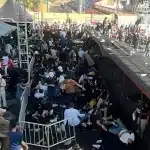
Crowd crush is the most real threat at an event like Coachella. Squeezed areas in front of the stage or inadequate evacuation routes can lead to mass injuries and potentially fatalities. The consequences can range not only from medical compensation to major lawsuits that could permanently end a promoter’s career.
2. Risk of Property and Infrastructure Damage
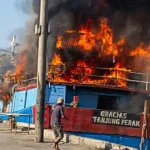
Production equipment like lighting rigs or LED walls weighs tons. Structural failure or stage collapse can not only damage equipment worth billions of rupiah but also force the event to be cancelled altogether. In this case, Concert Insurance acts as a guarantor for the physical assets you use.
3. Weather and Force Majeure Risks
Many major festivals fail not due to mismanagement, but due to external factors. Thunderstorms, strong winds, or lightning strikes can damage sensitive electronic equipment and endanger lives. Without Event Insurance that covers weather, ticket refund obligations can immediately bankrupt organizers.
4. Vendor and Third Party Risk
Vendors often don’t realize they could be directly sued if an incident occurs. Unsafe wiring or substandard stage installations can trigger lawsuits directly targeting the vendor. Therefore, having Event Liability Insurance is crucial for vendors to protect their business.
5. Legal Risks and Liability
When an incident occurs, the question of “who is responsible?” often becomes extremely complex. Is it the promoter, the stage vendor, or the venue owner? Without clear contracts and insurance protection, these legal proceedings can take years and be untold costs.
Impact of Frequent Losses
The losses in major events are multidimensional:
- Direct Financial Losses: Includes equipment damage, ticket refund obligations, and medical compensation costs for victims.
- Operational Losses: Events stopped midway, artist schedules messed up, and loss of business momentum.
- Reputational Loss: Loss of public trust, damage to brand image, and difficulty in securing sponsorship for future events.
In many cases, the reputational damage is far more costly than the physical value of the collapsed stage.
Common Mistakes
Based on our experience in the insurance brokerage industry:
- Too Focused on Production: Risk is considered an afterthought once the stage is up.
- Not Understanding Liability: Many parties do not know who will be sued when an incident occurs.
- Relying on Luck: Thinking that because the previous event was safe, the next one will be too. In reality, risk never goes away; it just shifts or hides.
In the various cases we studied in the entertainment cluster:
- Small vendors are often the first to be blamed for covering up major coordination errors.
- A small fault in a cable or electrical connection can trigger a chain reaction that destroys the entire production system.
- Most often: Losses do not come from major incidents, but from the accumulation of small, unprotected errors.
Why Major Events Remain High Risk
Even with professional vendors and thorough planning, risks remain high due to the numerous uncontrollable variables and the simultaneous involvement of hundreds of parties. Human error is a factor that cannot be completely eliminated, so financial protection is the only realistic safety net.
How to Manage Event Risk
As an insurance broker, we recommend a four-pillar approach:
- Early Risk Identification: Dissecting potential hazards from the perspective of the masses, infrastructure, and vendors.
- Mapping Responsibility: Clearly determine who is responsible for each risk segment.
- Risk Protection: Transferring financial, operational and legal risks to insurance companies through Event Insurance.
- Scenario Planning: Prepare a thorough protocol for scenarios of cancellation or loss of life on site.
What Happens If It’s Not Managed
Without robust risk management, a single incident can result in endless lawsuits, billions of rupiah in payouts, and even permanent business closure. Don’t let your hard work be ruined by a lack of protection.
FAQ (Frequently Asked Questions)
What are the biggest risks in a big concert?
- Crowd safety risks (crowd management) and legal liability due to third party injuries.
- Who is responsible if an accident occurs?
- Legal implications can include organizers, vendors, or venues; that’s why Event Liability Insurance is needed to protect all parties.
- Can small vendors be sued?
Yes, vendors are often the first to be sued if an incident stems from equipment they provide.
How much will the event lose if an incident occurs?
- It depends on the scale, but for events like large festivals, losses can reach tens of billions of rupiah.
- Are big events always safe?
No. The larger the scale of the event, the more complex the variables, and the higher the risks.
Conclusion
A major concert like Coachella may look perfect on social media. However, behind the glittering lights, there are significant risks that could destroy your business in an instant. Risk isn’t about if it will happen, but when it will happen. Make sure you’re ready when that moment arrives.
For concert organizers, vendor owners, or venue managers seeking insurance for their businesses to protect their event investments from the threat of damage and lawsuits that could cripple their company’s revenue, it’s crucial to understand that energy asset protection isn’t just about buying a policy. However, it’s important to understand that the role of an insurance broker goes far beyond simply selling you a product. We act as strategic partners, assisting you in selecting the most appropriate insurance solution through in-depth risk audits, technical negotiations with the insurance market, and providing recommendations for specific coverage extensions tailored to the risks of your entertainment business through Concert Insurance.
In fact, the technical details of your liability clause significantly determine the validity of your claims and the cost-effectiveness of your annual premium. Therefore, ensure every aspect of your event operations is audited by a risk expert capable of defending your interests with insurance companies to ensure business stability is maintained without draining your capital reserves in the event of a major disaster. As a result, you can focus on the success of your event without worrying about operational disruptions that could destroy your business in an instant.
—
Get a Premium Simulation Now for your risk audit with L&G Insurance Broker experts.
HOTLINE L&G 24 JAM: 0811-8507-773 (PHONE – WHATSAPP – SMS)
Website: lngrisk.co.id
Email: halo@lngrisk.co.id
—
Developing the right risk strategy from the outset is the difference between a successful event and a major, unexpected loss. Let’s discuss securing your next event.