



Imagine a coal briquette factory operating normally. Presses are turning, conveyors are moving materials, coal stocks are neatly stacked in the warehouse, and employees are busy meeting production targets. Everything seems smooth, safe, and productive.
However, a single spark or a machine malfunction can suddenly bring the entire operation to a halt in minutes. In the coal briquette manufacturing industry, risks like these are often considered trivial until they actually occur.
Your briquette factory may look safe today, but is it prepared for a major incident?
FREE consultation on briquette factory risk analysis via WhatsApp 08118507773 or email halo@lngrisk.co.id before the risk turns into a real loss.
Let’s take a deeper look at the risks that threaten briquette factories, and how briquette factory insurance can be a lifesaver for your business.
Coal Briquette Factories Are Not Just Production Sites, But High-Risk Centers
Not many people realize that coal briquette manufacturing is a high-risk industry, not only because of the flammable nature of the raw materials, but also because of the complexity of the machinery and the non-stop production process.
Production Process Full of Potential Dangers
In the briquette-making process, coal is processed, compressed, and molded using high-pressure machines. The dryers or ovens used to dry the briquettes operate at high temperatures. Furthermore, coal dust is highly flammable and, when mixed with air, can trigger an explosion. All of this makes briquette factories a work area with a high potential for physical hazards.
Combination of Physical and Financial Risks
Risks don’t stop with machinery or fire. Asset damage can potentially halt production, which automatically disrupts cash flow. Fixed costs such as employee salaries, rent, and supplier payments continue to accrue. One small incident can escalate into significant losses.
Major Risks Threatening Coal Briquette Factories
Let’s discuss one by one the risks that are often overlooked by factory owners.
- Coal Dust Fire and Explosion Risks
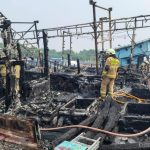
Coal dust is a hidden enemy. A single spark from static electricity, an overheated engine, or even a carelessly discarded cigarette can start a fire. Coal dust explosions can even occur in enclosed spaces, destroying machinery and stock.
Cases like this often occur in the briquette industry, and usually the factory owner only becomes aware of it after the incident.
- Risk of Damage to Production Machines
Presses, conveyors, and dryers are all expensive and the backbone of production. If a machine stops working, it not only costs money to repair but also potentially loses revenue due to production disruptions. Some factories have even had to delay contract deliveries for weeks.
- Risk of Damage and Loss of Coal & Briquette Stock
Coal and briquette stocks are a factory’s primary assets. Fire, water leaks, or improper storage can destroy stocks in an instant. Unfortunately, many factories insure their buildings and machinery but don’t fully cover their stocks, resulting in compounded losses.
- Warehouse and Factory Building Risks
Warehouses that store briquettes are also at risk. Old electrical installations, leaking roofs, or exceeding the warehouse’s capacity can all lead to damage and fires. Don’t forget, the building structure also needs to be insured to protect all assets.
Many Briquette Factories Feel Safe, Even Though They Are Not Protected
Many factory owners feel like they have insurance, so it’s safe. But in reality, policies often don’t match the specific risks of a briquette factory.
Insurance Exists, But It Doesn’t Match the Risk
Generic policies for heavy industry typically don’t cover risks unique to briquette factories, such as coal dust explosions or costly press downtime. As a result, when incidents occur, claims may be denied or only partially paid.
Fatal Errors That Often Occur
- Unrealistic coverage value– not adjusted to the latest machine prices and stock.
- Expensive machines are not allowed in police stations– because it is considered “additional equipment” but is very crucial.
- Fluctuating stock is not updated– sometimes insured for only half the actual value.
If your briquette factory already has insurance, the question is not “does it have insurance or not” but “does it have enough insurance or not”.
Consult your policy and protection structure for FREE via WhatsApp 08118507773 or email halo@lngrisk.co.id before the claim becomes problematic.
What is Briquette Factory Insurance and Why Can’t It Be Compared to Other Industries?
Many people think factory insurance is the same for all industries. In fact, coal briquette factories have specific risks that differ from other manufacturing industries.
All Risk Property Insurance for Briquette Factory
Property All Risks is basic protection for buildings, warehouses, and stock. This policy can be extended to cover fire, explosions, and natural disasters. Without this extension, claims may be denied in the event of a dust explosion or local fire.
Machinery Breakdown Insurance
Production machinery is a vital asset. A Machinery Breakdown Policy covers internal damage to machinery, whether caused by electrical damage, sudden wear and tear, or operational errors. This is crucial to prevent prolonged production interruptions.
Business Interruption as a Cash Flow Guard
Imagine a machine breaking down, stock burning, or production halting. Without Business Interruption, cash flow remains, but revenue is lost. This policy covers losses resulting from production interruptions, ensuring business stability.
The Role of Insurance Brokers in Protecting Coal Briquette Factories
As brokers, our job isn’t just to sell policies. We’re here to analyze specific risks, tailor clauses, and ensure appropriate coverage.
Brokers Manage Risk, Not Just Sell Policies
- Identifying specific risks of briquette factories
- Adjusting policy wording to suit real conditions
- Provides additional protection recommendations
Claims Assistance When Risk Occurs
Brokers are there when you need them most: when a claim arises. We ensure complete documentation, smooth negotiations, and settlements meet your needs. This differs from purchasing a policy yourself, which is prone to claim rejection.
A Brief Case Study – When Protection Determines the Fate of a Factory
For example, two briquette factories faced local fires:
- Factory A– standard policies, unrealistic machines and stock values. As a result, claims were largely denied, production was halted for a long time, and losses reached billions.
- Factory B– Complete policy structure, appropriate asset values, extended fire and explosion coverage. Claims are quickly disbursed, and production can resume immediately.
This difference in results shows that the right insurance structure can save business and cash flow.
Is Your Briquette Plant Properly Insured?
Try checking your factory:
- Are all major assets secured?
- Is the insurance value realistic and appropriate to current conditions?
- Are the typical risks of briquette factories included in the policy?
If in doubt, this is a good time for a policy review and risk consultation.
Conclusion
“Factory protection isn’t about buying a policy, but about ensuring that risks can be claimed.”
In the coal briquette manufacturing industry, even small errors in insurance structure can have devastating consequences when disaster strikes. Early consultation is far less expensive than fixing problems at the time of a claim.
FREE consultation now via:
WhatsApp: 08118507773
Email: halo@lngrisk.co.id
Make sure your factory is completely safe from risks that could threaten machines, stock, and warehouses.