



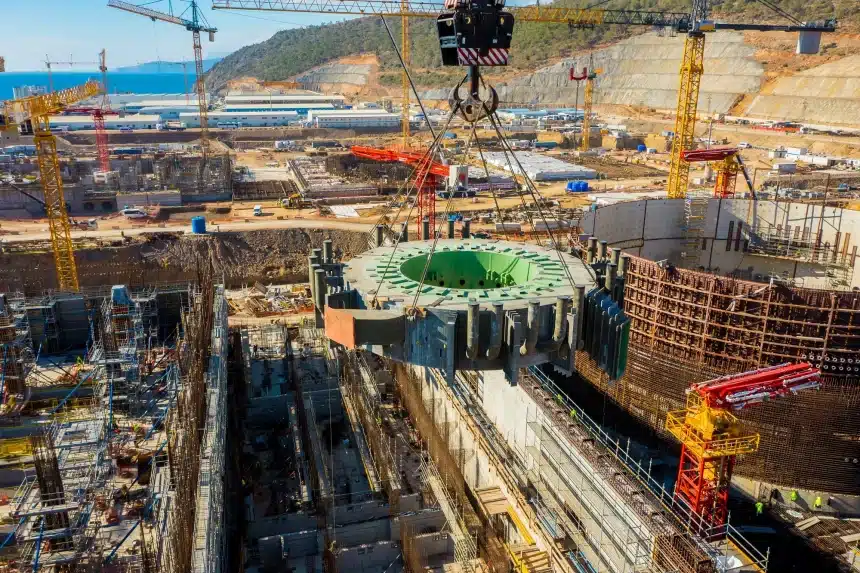
Indonesia has emerged as one of the most attractive markets in Asia for infrastructure development, energy projects, and industrial construction. Supported by government-led infrastructure programs, energy transition initiatives, and private sector investment, the country offers significant opportunities for Turkish EPC contractors, developers, and engineering firms.
However, project execution in Indonesia presents a distinct risk landscape. Natural catastrophe exposure, regulatory complexity, contractual risk allocation, and local operational challenges mean that insurance must be structured as part of a holistic risk management strategy, not arranged as a last-minute contractual requirement.
This article provides an advisory overview of project, construction, and energy risks for Turkish companies operating in Indonesia, highlighting key insurance considerations and the strategic role of an experienced insurance broker.
Why Indonesia Attracts Turkish Contractors and Energy Investors
Turkish companies are increasingly active in Indonesia due to several strategic factors:
- Large-scale infrastructure expansion (roads, ports, railways, airports)
- Growing demand for power generation and energy transition projects
- Competitive labor and construction costs
- Opportunities for EPC, PPP, and joint venture structures
- Strong diplomatic and trade relations between Indonesia and Turkey
Sectors of particular interest include:
- Power plants (gas, hydro, renewable)
- Industrial facilities and manufacturing plants
- Ports and logistics infrastructure
- Mining-related infrastructure and utilities
While the opportunity is clear, success depends on understanding local project risks and managing them effectively.
Key Project Risks in Indonesia
- Natural Catastrophe and Environmental Risk
Indonesia is located on the Pacific Ring of Fire, making it highly exposed to:
- Earthquakes
- Volcanic activity
- Floods and landslides
- Severe weather events
For construction and energy projects, these risks can cause:
- Physical damage to works and equipment
- Delays in project completion
- Extended testing and commissioning periods
Insurance programs must be designed to reflect these realities, not generic regional assumptions.
- Regulatory and Permitting Risk
Projects in Indonesia are subject to:
- Central and regional government approvals
- Environmental impact assessments (AMDAL)
- Local content requirements
- Changing regulatory interpretations
Delays in permits or regulatory compliance can result in:
- Project suspension
- Cost overruns
- Contractual penalties
While insurance cannot eliminate regulatory risk, it can mitigate financial consequences arising from insured events.
- Contractual and Commercial Risk
Many Turkish contractors operate under EPC or EPCF contracts, which often include:
- Fixed-price obligations
- Liquidated damages (LDs)
- Strict completion timelines
- Performance guarantees
If contracts are not reviewed alongside insurance arrangements, companies may face:
- Uninsured contractual liabilities
- Deductibles exceeding risk tolerance
- Coverage exclusions conflicting with indemnity clauses
- Local Operational and Workforce Risk
Project execution typically involves:
- Local subcontractors
- Joint venture partners
- Indonesian labor and management teams
Risks include:
- Inconsistent safety standards
- Worksite accidents
- Communication and coordination challenges
These risks have direct implications for Third Party Liability, Employer’s Liability, and Workers’ Compensation coverage.
Essential Insurance Programs for Projects in Indonesia
A well-structured project insurance program typically includes:
- Construction All Risks (CAR) / Erection All Risks (EAR)
Core coverage for:
- Physical loss or damage to works
- Construction materials and equipment
- On-site and off-site storage
Policy design considerations:
- Adequate sum insured
- Natural catastrophe sub-limits
- Testing and commissioning extensions
- Third Party Liability (TPL)
Covers:
- Bodily injury to third parties
- Property damage to surrounding assets
Critical for projects near:
- Residential areas
- Public infrastructure
- Industrial zones
- Delay in Start-Up (DSU) / Advanced Loss of Profit (ALOP)
Protects against:
- Loss of revenue due to insured project delays
- Extended financing costs
Often required by:
- Lenders
- Project financiers
- Investors
- Professional Indemnity (PI)
Relevant for:
- Design-and-build contractors
- Engineering consultants
- EPC contractors with design responsibility
- Marine Cargo Insurance for Project Shipments
Covers:
- Imported machinery and equipment
- Project-critical components
- Inland transit to the site
Contractual Risk vs Insurance Risk: A Critical Distinction
One of the most common project failures arises from the assumption that:
“If the risk is in the contract, it must be covered by insurance.”
In reality:
- Not all contractual liabilities are insurable
- Policy exclusions may override contract obligations
- Deductibles and sub-limits may leave significant exposure
Examples include:
- Contractual penalties not covered by CAR
- Delay caused by non-insured events
- Design defects excluded under standard policies
An insurance broker’s advisory role is to identify these gaps before project commencement.
Importance of Insurance Timing and Condition Precedent
In Indonesia, project insurance often includes condition precedent clauses, requiring:
- Insurer approval before work starts
- Compliance with risk recommendations
- Proper documentation submission
Failure to comply can result in:
- Policy suspension
- Claim rejection
- Coverage disputes
Early broker involvement ensures:
- Compliance with policy conditions
- Alignment between project schedule and insurance activation
- Proper documentation from day one
Why Turkish Companies Should Work with a Local Indonesian Insurance Broker
Operating in Indonesia requires compliance with local insurance regulations, including the use of admitted insurers for certain risks. Turkish companies arranging insurance remotely often face:
- Non-compliance issues
- Claims handling difficulties
- Communication barriers with local insurers
A local broker bridges this gap by:
- Structuring compliant insurance programs
- Coordinating with insurers, reinsurers, and adjusters
- Supporting claims management in-country
Why L&G Insurance Broker Is a Strategic Partner for Project Risks
L&G Insurance Broker supports Turkish contractors and investors in Indonesia through:
- Pre-contract project risk reviews
- Insurance program design aligned with EPC contracts
- Negotiation of policy terms, deductibles, and extensions
- Ongoing claims advocacy during construction and commissioning
The focus is on risk clarity, coverage effectiveness, and loss recovery, not just policy placement.
Practical Recommendations for Turkish Project Sponsors and Contractors
Before mobilizing in Indonesia, Turkish companies should:
- Conduct a formal project risk assessment
- Review EPC and JV contracts alongside insurance coverage
- Ensure compliance with Indonesian insurance regulations
- Structure CAR/EAR and DSU coverage early
- Engage a local insurance broker before project commencement
These steps significantly reduce project disruption and financial loss.
Conclusion
Indonesia offers substantial opportunities for Turkish companies in construction and energy, but project success depends on disciplined risk management and properly structured insurance. Natural hazards, contractual exposure, and regulatory complexity demand a professional advisory approach.
Insurance, when guided by experienced broker support, becomes a stabilizing force that enables projects to proceed with confidence—even in challenging environments.
Suggestion for Turkish Project Developers and Contractors
Turkish companies planning or executing construction and energy projects in Indonesia are encouraged to review their project risk exposure and insurance structure early in the project lifecycle.
L&G Insurance Broker provides confidential advisory support to help Turkish contractors and investors structure locally compliant, contract-aligned project insurance programs and manage claims effectively throughout the project duration.
Early engagement can prevent costly delays, disputes, and uninsured losses.
About the Author
The author is a senior insurance and risk management professional with over 30 years of experience advising international contractors, developers, and investors across Asia and emerging markets. As part of L&G Insurance Broker, the author specializes in project risk analysis, CAR/EAR insurance, DSU, and cross-border construction risk management for companies operating in Indonesia.
—
DON’T WASTE YOUR TIME AND SECURE YOUR FINANCES AND BUSINESS WITH THE RIGHT INSURANCE.
HOTLINE L&G 24 JAM: 0811-8507-773 (PHONE – WHATSAPP – SMS)
Website: lngrisk.co.id
Email: halo@lngrisk.co.id
—