



A series of fatal accidents and major fires have occurred again in various regions of Indonesia, highlighting the high risk exposure in transportation, industry, business areas, and densely populated residential areas. From a deadly pileup on the Cisumdawu Toll Road, a train accident at a level crossing, a landslide that claimed dozens of lives in West Bandung, to a major fire that crippled factories, shipyards, markets, and restaurants—all these incidents demonstrate that technical failure, operational negligence, and the risk of natural disasters remain real threats. This edition summarizes seven tragic accident incidents that resulted in loss of life, billions of rupiah in material losses, and significant potential legal liability.
Truck Reverses on Cisumdawu Toll Road Incline, Collision Kills 3
A multiple-vehicle accident occurred on the Cisumdawu Toll Road, Lane A, at kilometer 179 towards Sumedang, West Java, on Monday morning (January 26, 2026). The incident involved four vehicles and killed three people at the scene. In a circulating video, a trailer truck with license plate number AD 8826 AH is seen lying across the toll road after sustaining heavy damage from the collision.
In addition to the truck, the accident also involved an Atlis sedan, a Toyota Vios, and a Honda Mobilio. All of the victims who died were passengers in the sedans. Cisumdawu Toll Road Road Safety Officers and the Sumedang Police Traffic Accident Unit immediately conducted a crime scene investigation and closed part of the road to ease traffic. Initial suspicions are that the accident occurred because the truck couldn’t make it up the incline, rolled back, and struck the vehicle behind it. The investigation is ongoing.
Risk Accident Review
This accident illustrates the high risk of heavy vehicles on uphill toll roads. Technical failures, such as those involving braking systems, engine power, or overloading, can lead to a chain reaction collision with fatal consequences. In addition to loss of life, financial risks include vehicle damage, medical expenses, compensation for fatalities, and potential third-party lawsuits. Lane closures also pose operational liability risks for fleet managers and owners. Without adequate insurance protection, truck owners face the potential for substantial liability claims, driver medical expenses, and long-term reputational and operational losses.
Types of Insurance Needed
- Motor Vehicle Insurance (Comprehensive / TLO): Covers damage to trucks and other insured vehicles.
- Third Party Liability (TPL): Covers claims for damage and injury to third parties due to accidents.
- Public Liability Insurance: Important for fleet owners and logistics companies.
- Personal Accident Insurance: Death and permanent disability benefits for drivers and passengers.
Gajayana Train Hits Truck in Kebumen After Truck Breaks Through Barrier, One Life Lost at Level Crossing
The Gajayana train on the Malang–Jakarta route crashed after hitting a truck with license plate number L 8861 UC at the level crossing between Kutowinangun–Prembun Station, Kebumen Regency, Central Java, on Tuesday (January 27, 2026) evening. The incident occurred at around 9:32 p.m. WIB when the truck crossed the tracks and allegedly broke through the barrier while the train was traveling at high speed from the direction of Surabaya.
The heavy impact severely damaged the front of the truck, resulting in one person’s death at the scene. Two other victims sustained injuries and were rushed to the hospital. Railway officials and local authorities immediately evacuated the victims and inspected the train. After being declared safe, the Gajayana train continued its journey. The cause of the accident is still under investigation.
Risk Accident Review
Accidents at level crossings are a classic but potentially fatal risk, particularly involving heavy vehicles and high-speed trains. The main risks include loss of life, damage to high-value assets (locomotives, train sets, trucks), disruption to train operations, and potential third-party liability claims. Driver negligence, weak crossing security, and lack of compliance with traffic signs are crucial factors. Financially, a single incident can trigger multiple claims: liability, vehicle, personal injury, and even business interruption. Without adequate insurance coverage, the burden of losses can be significant.
Types of Insurance Needed
- Motor Vehicle Insurance (Comprehensive / TLO): Covers damage to trucks due to collisions.
- Third Party Liability (TPL): Covers claims for injury, death, and damage to third party.
- Personal Accident Insurance: Death and injury compensation for drivers and passengers.
- Railway Liability / Operator’s Liability: Protection of railway operational legal risks.
- Excess Liability / Umbrella Policy: For large claims due to loss of life and massive damage.
Source: https://www.beritasatu.com/jateng/2961838/ka-gajayana-tabrak-truk-tronton-di-kebumen-1-orang-tewas
The West Bandung landslide left dozens missing and dead.
The landslide disaster that hit the villageYellow SandPasirlangu Village, Cisarua District, West Bandung Regency, West Java, remains in deep mourning. As of the fourth day of the search, Tuesday (January 27, 2026), 32 residents were reported missing. The joint SAR team has recovered a total of 48 body parts from the landslide site, including nine recovered on the fourth day of the search.
All evacuated victims were immediately handed over to the Disaster Victim Identification (DVI) Team for identification. According to the latest data, the total number of affected residents has reached 155, with 75 survivors and 80 reported missing. The search process was hampered by rain, but continued with the expansion of the evacuation area to new sectors.
Risk Accident Review
This landslide underscores the high risk of natural disasters in areas with hilly terrain and high rainfall. The primary risk is not only loss of life, but also loss of homes, personal assets, and disruption to people’s income sources. From a risk management perspective, natural disasters are characterized by low frequency and high severity, meaning they occur infrequently but have significant financial impacts. Without insurance coverage, the burden of recovery falls entirely on the victims and the government. Mitigation approaches must include risk mapping, education, and long-term financial protection.
Types of Insurance Needed
- Property Insurance: Covers damage or loss of home due to natural disasters.
- Natural Disaster Insurance (Earthquake & Landslide Extension): Extension of property policy for landslide, flood and earthquake risks.
- Life insurance: Provide financial compensation to the heirs of deceased victims.
- Personal Accident Insurance: Covers the risk of death and permanent disability due to disasters.
Source: https://www.metrotvnews.com/read/NxGCPj5E-longsor-cisarua-bandung-barat-32-orang-masih-hilang
Fire Sweeps Through Restaurant in Sukabumi, Destroying Restaurant, Car, and Documents
A fire broke out at a restaurant on Jalan Jalur Lingkar Selatan, Sukabumi City, West Java, on Tuesday (January 27, 2026) at around 3:00 p.m. WIB. The flames were first seen emerging from the rear left corner of the building and quickly spread, destroying almost the entire Parantina Restaurant area.
Firefighters arrived on the scene as the fire had already spread. Five fire trucks, including those from Sukabumi Regency, were deployed to control the blaze. The firefighting process took approximately 1 hour and 45 minutes. One car and several important documents were also burned during the incident. The cause of the fire and the estimated losses are still under investigation.
Risk Accident Review
Fires in restaurants demonstrate the high operational risks of the F&B sector, particularly those related to electrical installations, production kitchens, and the storage of flammable materials. In addition to building damage, major risks include the loss of movable assets, operational vehicles, business documents, and the interruption of business activities. Delays in initial response can exacerbate losses. This incident underscores the importance of basic fire protection systems, kitchen safety procedures, and insurance coverage that covers not only physical assets but also the financial impact of business disruption.
Types of Insurance Needed
- Property All Risks Insurance (PAR): Guarantees restaurant buildings, kitchen equipment and contents due to fire.
- Vehicle Insurance: Guaranteeing operational cars that were also burned.
- Business Interruption (BI) Insurance: Covering losses due to the cessation of restaurant operations.
- Public Liability Insurance: Protection against third party claims (customers or the surrounding environment).
A major fire engulfed the Swallow Sandal Factory in Medan, causing losses estimated to reach billions of rupiah.
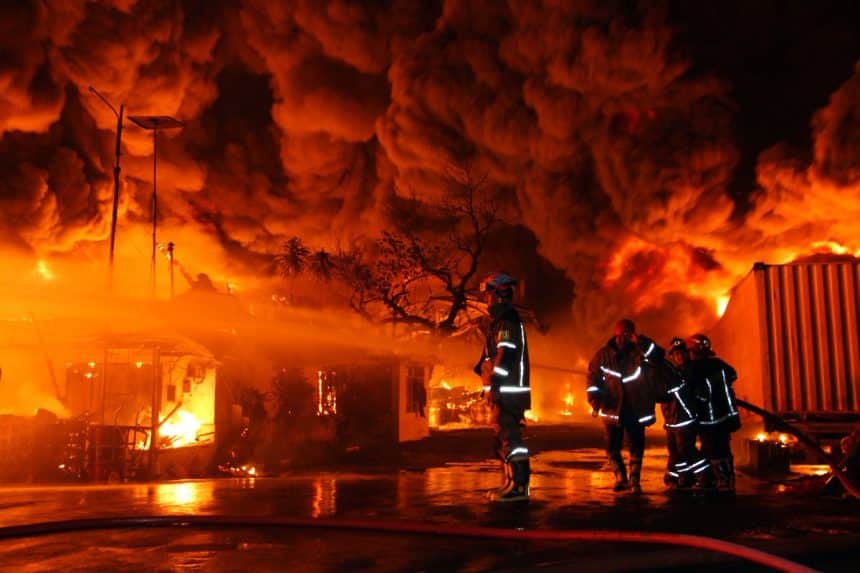
A massive fire engulfed the Medan Swallow Factory, located at Jalan Kolonel Yos Sudarso KM 6.5, Tanjung Mulia Village, Medan Deli District, on Tuesday evening (January 27, 2026). The rapidly growing flames turned the night sky a fiery red and sparked panic among local residents. The incident also caused severe congestion on the main route to Belawan Port until early Wednesday morning.
The fire is believed to have started in the raw materials warehouse area at around 10:12 PM WIB, marked by a loud explosion. Flammable rubber and chemicals accelerated the spread of the fire. More than 15 firefighters were deployed, but extinguishing the fire was difficult due to congested roads and the difficult-to-extinguish nature of the materials. As of Wednesday morning, there were no reports of casualties, but material losses are estimated to reach billions of rupiah. The cause of the fire is still under investigation by police.
Risk Accident Review
The Swallow Factory fire in Medan illustrates the high risk of fire in rubber and chemical-based industries. Key risk factors include electrical system failure, substandard raw material storage, and limited early fire detection systems. The impact of the risks extends beyond physical asset damage to the factory, including operational disruptions, interruptions in logistics distribution, exposure to toxic fumes for the surrounding community, and potential legal liability claims. This incident underscores the importance of integrating risk management, OHS compliance, and comprehensive insurance coverage to ensure business continuity.
Types of Insurance Needed
- Property All Risks Insurance (PAR): Guarantees buildings, machinery and factory contents against fire and explosion.
- Machinery Breakdown Insurance: Protects production machines from damage due to overheating and short circuits.
- Business Interruption (BI) Insurance: Covering losses due to operational interruptions and loss of income.
- Public Liability Insurance: Covers claims of local residents due to smoke, pollution, or disruption of activities.
- Environmental Liability Insurance (optional, high risk): For potential environmental pollution due to industrial fires.
A tanker caught fire during repairs at PT ASL Shipyard in Batam.
A fire broke out again at the PT ASL Shipyard Tanjung Uncang industrial complex in Batam, Riau Islands, on Sunday (January 25, 2026). The incident involved the tanker Elnusa Trans Samudera, owned by a Pertamina subsidiary, which was undergoing repairs (docking) at the shipyard.
The Head of the Riau Islands Manpower and Transmigration Agency, Diky Wijaya, stated that the ship was empty and had not been operating for a long time. There were no fatalities or injuries as there was no work activity at the time of the incident. The Barelang Police Chief also confirmed the same.
Initial suspicions suggest the cause of the fire was a system failure exacerbated by strong winds. The fire broke out around 2:00 p.m. Western Indonesian Time and was extinguished two hours later by rescue teams from PT ASL Shipyard and BP Batam. This incident adds to the growing number of repeated fire incidents at the same shipyard.
Risk Accident Review
The tanker fire in the shipyard area reflects the high risk of shipyard activities, particularly during docking and idling. Even when the vessel is empty, the potential for danger remains high due to residual flammable materials, electrical systems, and exposure to extreme weather. The history of repeated fires in the same location demonstrates weak risk controls, safety procedures, and technical oversight. The risks include not only significant damage to assets but also potential lawsuits, disruption to shipyard operations, and reputational risk for shipowners and facility managers. A comprehensive risk management approach and insurance protection are crucial.
Types of Insurance Needed
- Marine Hull & Machinery Insurance: Covers physical damage to the ship during docking and repairs.
- Ship Repairer’s Liability Insurance: Shipyard protection against damage to ships belonging to third parties.
- Marine Builder’s / Shipyard All Risks Insurance: Guarantees the risk of fire, explosion and accidents in the shipyard area.
- Employer’s Liability & Personal Accident: Protection of shipyard workers (very crucial considering the history of fatalities).
- Business Interruption Insurance: Guarantees losses due to the cessation of shipyard operations.
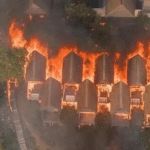
Fire rages through Kasongan Market, destroying 15 houses and shophouses, suspected to be caused by an electrical short circuit.
A massive fire engulfed the Kasongan Market Complex in Katingan Regency, Central Kalimantan, on Sunday evening (January 25, 2026). The incident destroyed at least 15 buildings, including homes and shophouses. The fire was finally extinguished after seven hours of intensive firefighting efforts, which continued until early Monday morning.
The Head of the Katingan Regional Disaster Management Agency (BPBD), Markus, stated that the initial suspicion was that the fire was caused by an electrical short circuit. The fire extinguishing operation involved supplying up to 5,000 liters of water. There were no fatalities, but the building was severely damaged.
Kasongan Lama Village Head, Zainal Fahrudin, explained that the fire is believed to have started at a food stall on Jalan Bungai before spreading rapidly due to strong winds. Police are still investigating the exact cause of the fire.
Risk Accident Review
Fires in market areas and densely populated residential areas carry a very high risk of escalation. Electrical short circuits, closely packed buildings, and strong winds accelerate the spread of fire and increase losses. The main risks include total destruction of business and residential assets, loss of inventory, and potential lawsuits.betweenBuilding owners. The lengthy firefighting process reflects limited access and water resources. Without insurance coverage, shophouses and homeowners risk permanent financial losses and difficulty recovering from a fire.
Types of Insurance Needed
- All Risks Property Insurance:Covers damage to houses, shophouses and buildings due to fire and electrical short circuits.
- Building Contents Insurance (Stock Insurance):Protect merchandise stock, business equipment, and household goods.
- Third Party Liability Insurance (TPL):Closes claims if the fire spreads and damages other buildings.
- Micro & Retail Business Insurance:Suitable for small stalls and shophouses in market areas.
- Business Interruption Insurance:Covers loss of income due to business interruption following a fire.
This series of incidents reinforces one important conclusion: the risk of accidents, fires, and disasters is not an extraordinary event, but rather a real consequence of operational complexity, activity density, and weak risk management across various sectors. Without a disciplined safety system, OHS compliance, adequate emergency procedures, and comprehensive insurance coverage—from vehicles, property, liability, personal accident, to business interruption—the impact of an incident can escalate into a long-term financial and reputational crisis. More than just news, each of these incidents serves as a stark reminder that a preventative approach and risk protection are not optional extras, but rather the core foundation for protecting human life and maintaining business continuity.
—
DON’T WASTE YOUR TIME AND SECURE YOUR FINANCES AND BUSINESS WITH THE RIGHT INSURANCE.
HOTLINE L&G 24 JAM: 0811-8507-773 (PHONE – WHATSAPP – SMS)
Website: lngrisk.co.id
Email: halo@lngrisk.co.id
—