



Indonesia today stands at a rare intersection of scale, momentum, and strategic relevance. As Southeast Asia’s largest economy, a G20 member, and a country rich in natural resources, Indonesia continues to attract multinational corporations, institutional investors, EPC contractors, and financial institutions seeking growth beyond mature markets.
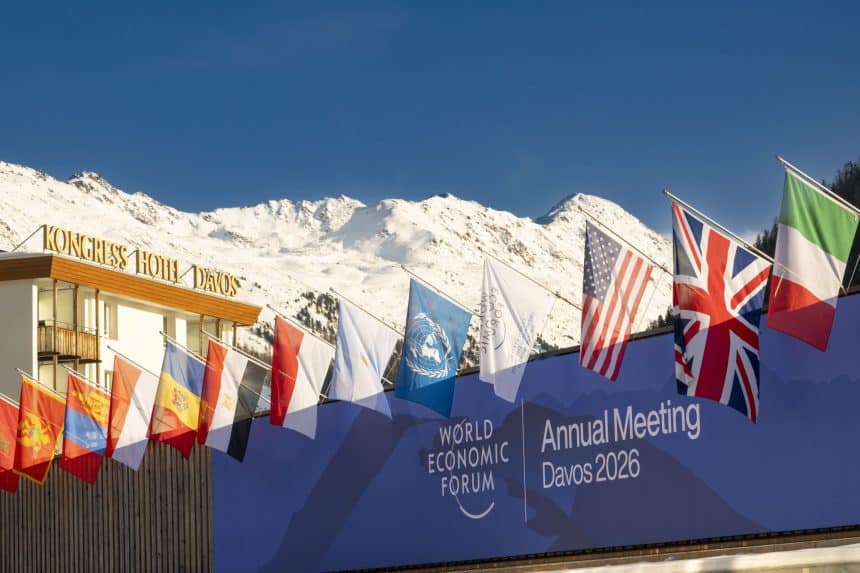
Government narratives, reinforced on global stages like the World Economic Forum, consistently emphasize Indonesia’s openness to investment, its commitment to industrial downstreaming, infrastructure expansion, energy transition, and food security. New state-led initiatives, sovereign investment platforms, and regulatory reforms aim to accelerate capital inflows and long-term partnerships.
Yet, behind this optimism lies a truth every seasoned investor eventually learns:
Indonesia is open for business—but success belongs only to those who are risk-ready.
The same factors that create opportunity—geography, scale, regulatory evolution, and rapid development—also generate complex, interconnected risks that are frequently underestimated, poorly transferred, or inadequately insured.
This article explores why Indonesia remains a compelling investment destination, while mapping the real risks investors face, the common insurance gaps, and the critical role of broker-led risk structuring. It also explains why experienced advisors like L&G Insurance Broker are not optional—but strategic.
- Strategic & Political Risks
Opportunity Driven by Policy — Exposure Created by Change
The opportunity
Indonesia’s strategic vision is ambitious: downstreaming raw materials, building national champions, accelerating infrastructure, and asserting economic sovereignty while remaining investment-friendly. Political stability at the national level has improved over the last decade, and Indonesia continues to present itself as a pragmatic, pro-growth democracy.
The risk reality
Strategic and political risks in Indonesia are rarely about abrupt instability—they are about policy evolution.
Key exposures include:
- Regulatory reinterpretation or tightening
- Changes in local content requirements (TKDN)
- Shifts in tax, royalty, or export regimes
- Decentralized decision-making at regional levels
- National interest clauses affecting contracts
These risks often emerge mid-project, after capital has already been committed.
Real business impact
- Delays in licensing and permitting
- Increased project costs due to regulatory changes
- Contract renegotiations with state-linked entities
- Reduced project bankability for lenders
Common insurance gaps
Many investors assume political stability eliminates political risk. As a result:
- Political Risk Insurance (PRI) is not purchased
- Contract frustration and expropriation risks remain uninsured
- Lenders demand cover late, increasing cost or reducing availability
Why broker-led structuring matters
An experienced broker:
- Assesses which political risks are insurable and which must be contractually mitigated
- Structures PRI aligned with financing tenors
- Negotiates wording that responds to regulatory actions—not just coups or war
- Aligns insurance with shareholder agreements and loan covenants
Without expert structuring, political risk insurance often exists—but does not respond.
- Infrastructure & Project Risks
Growth Through Construction — Vulnerability Through Execution
The opportunity
Indonesia’s infrastructure drive spans:
- Power plants and renewables
- Roads, ports, and airports
- Smelters, processing plants, and industrial estates
- Telecommunications and digital infrastructure
This creates enormous opportunities for EPC contractors, project sponsors, and financiers.
The risk reality
Infrastructure risks in Indonesia are execution risks, amplified by:
- Complex geotechnical conditions
- Remote and island-based locations
- Weather volatility
- Multi-layer subcontracting
- Imported machinery with long lead times
Real business impact
- Cost overruns and schedule delays
- Liquidated damages under EPC contracts
- Delayed revenue and debt service stress
- Claims disputes between owners, contractors, and insurers
Common insurance gaps
Typical weaknesses include:
- CAR/EAR policies with inadequate limits
- Delay in Start-Up (DSU) not aligned with financial exposure
- Poor definition of insured works
- Exclusions hidden in endorsements
- Insufficient coverage for testing & commissioning
Why broker-led structuring matters
A specialist broker:
- Designs CAR/EAR programs aligned with EPC contracts
- Structures DSU based on real cashflow models—not guesswork
- Coordinates owner-controlled and contractor-controlled insurance
- Ensures deductibles and waiting periods are commercially viable
- Manages multi-insurer placements to avoid coverage fragmentation
Insurance that does not match the construction contract is not protection—it is decoration.
- Financial & Credit Risks
Capital Is Available — Cashflow Is Not Guaranteed
The opportunity
Indonesia’s domestic market is vast, and many projects benefit from:
- Long-term offtake agreements
- Government-related counterparties
- Growing financial sector participation
The risk reality
Payment risk remains one of the most underestimated exposures:
- Delayed payments from buyers or state entities
- Counterparty financial stress
- Currency volatility
- Refinancing risk
Even profitable projects can collapse due to cash flow interruptions.
Real business impact
- Liquidity crunches
- Inability to service debt
- Supplier disputes
- Erosion of shareholder returns
Common insurance gaps
Investors frequently overlook:
- Trade Credit Insurance
- Non-payment risk coverage
- Contract frustration protection
- Political non-payment extensions
Instead, risk is retained on balance sheets—often unintentionally.
Why broker-led structuring matters
An experienced broker:
- Identifies insurable receivables
- Structures credit insurance alongside financing
- Aligns coverage with payment milestones
- Advises on risk-sharing mechanisms with lenders
Risk transfer is not just about assets—it is about cashflow.
- Operational & Logistics Risks
Archipelagic Advantage — Logistical Exposure
The opportunity
Indonesia’s geography enables:
- Maritime trade
- Resource extraction
- Regional distribution hubs
The risk reality
Indonesia’s archipelagic nature introduces:
- Port congestion
- Inland transport bottlenecks
- Cargo handling risks
- Heavy equipment mobilization exposures
- Weather-related transit disruption
Real business impact
- Damaged or lost cargo
- Project delays due to late equipment arrival
- Disputes with freight forwarders
- Escalating replacement costs
Common insurance gaps
Common mistakes include:
- Underinsured cargo values
- Inadequate marine open policies
- Exclusions for loading/unloading
- No coverage for inland transit
- No Freight Forwarder Liability (FFL) review
Why broker-led structuring matters
A broker with marine and logistics expertise:
- Designs end-to-end marine cargo solutions
- Covers multimodal transport
- Reviews freight contracts and liability limits
- Coordinates claims across carriers, surveyors, and insurers
In Indonesia, logistics risk is not peripheral—it is central to project success.
- ESG, Climate, and Sustainability Risks
Sustainability as Strategy — Or as Liability
The opportunity
Indonesia’s push for energy transition, ESG compliance, and sustainable finance opens access to:
- Green financing
- Blended capital
- International institutional investors
The risk reality
ESG risks are no longer reputational only:
- Floods, landslides, and climate events disrupt operations
- Community disputes delay projects
- Environmental claims escalate
- ESG non-compliance triggers financing consequences
Real business impact
- Project suspension
- Litigation and regulatory penalties
- Loss of financing eligibility
- Asset stranding
Common insurance gaps
Typical issues include:
- Limited natural catastrophe coverage
- No environmental liability insurance
- Poor integration of ESG into underwriting
- Cyber and data risks excluded from ESG thinking
Why broker-led structuring matters
A forward-looking broker:
- Integrates ESG into risk assessment
- Structures environmental liability coverage
- Aligns insurance with lender ESG covenants
- Advises on resilience measures that reduce premiums
Insurers increasingly reward sustainability—if it is properly documented and structured.
Why Risk Management and Insurance Are Strategic Enablers
Across all categories, one conclusion is clear:
Insurance in Indonesia is not a compliance requirement. It is a strategic financing and continuity tool.
Properly structured insurance:
- Improves project bankability
- Lowers cost of capital
- Protects balance sheets
- Accelerates recovery after loss
- Enables long-term investment confidence
But insurance only delivers value when it is designed, negotiated, and managed professionally.
The Role of L&G Insurance Broker
From Transactional Placement to Strategic Partnership
Indonesia’s complexity demands more than policy placement. It requires risk architecture.
L&G Insurance Broker positions itself as a specialist partner with deep experience across:
- Construction and EPC projects
- Mining and heavy equipment
- Energy and power generation
- Marine cargo and logistics
- Financial and credit risks
L&G delivers:
- Tailored insurance program design
- Access to domestic and international markets
- Precise wording negotiation
- Proactive claims management
- Strategic advisory aligned with business objectives
For investors, contractors, and financiers, this translates into certainty in uncertain environments.
Final Thought: Opportunity Rewards the Prepared
Indonesia is not a market to avoid. It is a market to understand, structure, and respect.
The country’s growth story is real—but so are its risks. Those who treat risk as an afterthought will pay for it later. Those who address it early, strategically, and professionally will unlock Indonesia’s full potential.
If Indonesia is open for business, the real question is this: Are you risk-ready?
L&G Insurance Broker stands ready to help you answer “yes”—with clarity, confidence, and capability.
—
DON’T WASTE YOUR TIME AND SECURE YOUR FINANCES AND BUSINESS WITH THE RIGHT INSURANCE.
HOTLINE L&G 24 JAM: 0811-8507-773 (PHONE – WHATSAPP – SMS)
Website: lngrisk.co.id
Email: halo@lngrisk.co.id
—