



The concrete manufacturing and distribution industry plays a crucial role in infrastructure development and construction projects in Indonesia. Nearly all major projects, from toll roads and high-rise buildings to industrial estates and housing developments, depend on a stable and timely supply of concrete. However, behind these significant business opportunities, there are several real risks that are often underestimated by business owners.
Many concrete factories only realize the extent of the risks after experiencing significant losses. When incidents occur, the impact not only damages physical assets but also halts operations, disrupts cash flow, and even threatens business continuity.
This article will discuss the five main risks that frequently plague concrete factories and distributors in Indonesia, as well as how the right insurance protection strategy can provide a solution.
For FREE consultation contact L&G Insurance Broker today!
Email: halo@lngrisk.co.id

Customer Service L&G: 08118507773
The Concrete Industry in Indonesia: Big, Growing, but Full of Risks
The growth of the national construction industry is driving an increasing demand for ready-mix concrete and its supporting materials. Concrete plants and distributors are required to operate at high capacity, maximize efficiency, and meet tight delivery times. This pressure increases operational risk.
The Strategic Role of Concrete Factories and Distributors
Concrete factories function not only as producers but also as part of the supply chain for strategic projects. Delays or production disruptions can directly impact projects worth billions of rupiah. Concrete distributors also play a crucial role in ensuring materials reach project sites safely and on time.
Why Risks in the Concrete Industry Are Often Underestimated
Many businesses are so focused on production and sales that risk management is often neglected. Insurance is still seen as an additional expense, not a business protection tool. As a result, risks are only truly recognized when an incident occurs and losses are already inevitable.
Risk 1: Fire and Explosion in Production and Warehouse Areas
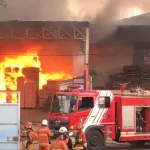
The risk of fire is the most serious threat to concrete plants. Nearly 24-hour production, the use of powerful machinery, and complex electrical installations create a high potential for fire.
Sources of Fire Risk in Concrete Plants
Some common sources of fire risk include electrical short circuits, overheating machinery, and operational negligence. Warehouse areas that store large quantities of materials also increase the potential for losses if a fire occurs.
Impact of Fire on Operations and Finances
Fires not only damage buildings and machinery but also halt entire production activities. Projects can be delayed, contracts risk being canceled, and companies lose significant revenue.
The Role of All Risks Property Insurance
Property All Risks insurance provides primary protection against fire and other physical damage. This policy protects buildings, machinery, and inventory from a variety of risks, except those expressly excluded. Without proper property all risks insurance, fire losses can quickly devastate a business.
Risk 2: Sudden Machine and Batching Plant Failure
Concrete plants rely heavily on production machinery and batching plants. A sudden failure in any of these key components can immediately halt production.
High Dependence on Production Machines
Batching plant machines, conveyors, and automation systems operate continuously under heavy loads. This increases the risk of mechanical failure.orsudden electrical shock.
Impact of Production Downtime
Machine breakdowns not only result in expensive repairs but also lead to production downtime. In the concrete industry, time is crucial. Every hour of lost production means lost potential revenue.
Machinery Breakdown Insurance as a Solution
Machinery breakdown insurance provides special protection against sudden breakdowns in production machinery. This policy helps cover the costs of repairing or replacing machinery, allowing the factory to return to operation more quickly without undue financial stress.
Risk 3: Production Stoppage and Loss of Revenue
Many concrete industry players assume that losses stem solely from damage to physical assets. However, the greatest impact often stems from lost revenue due to production interruptions.
Financial Risks Behind Production Halts
When production stops, fixed costs such as employee salaries, installments, and operational costs still have to be paid. Without revenue, this can quickly erode a company’s cash flow.
Business Interruption Insurance Maintains Cash Flow
Business interruption insurance covers financial losses resulting from operational interruptions following property claims or machinery breakdowns. This insurance helps concrete companies remain financially resilient during the recovery period.
Errors in Determining the Indemnity Period
One common mistake is setting the indemnity period too short. As a result, coverage ends before operations are fully restored. Careful planning is essential when determining the structure of this policy.
Risk 4: Lawsuits and Third Party Losses
Concrete factory and distribution activities pose risks not only to internal assets, but also to third parties around the operational area.
Risk of Injury and Damage to Third Party Property
Dust, noise, heavy vehicle traffic, and loading and unloading activities can pose a risk of injury or property damage. Concrete distributors face similar risks during the delivery process.
Legal Impact and Business Reputation
Lawsuits not only have financial consequences but also damage a company’s reputation. Compensation costs and legal proceedings can become a significant burden if not properly protected.
Third Party Liability Insurance
Third-party liability insurance provides protection against lawsuits and compensation obligations. This policy is often overlooked, even thoughthe risksvery real in the concrete industry.
Risk 5: Concrete Distribution and Transportation Risk
For concrete distributors, the risks don’t stop at the factory. The distribution process to project sites presents its own challenges.
Challenges of Concrete Distribution in Indonesia
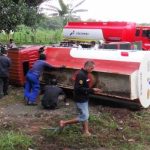
Road conditions, long distances, and heavy traffic increase the risk of accidents and cargo damage. Any distribution disruption can directly impact the project schedule.
Losses During the Shipping Process
Material damage, late delivery, or loss of cargo can result in financial losses and claims from clients.
Transportation Insurance as Distribution Protection
Marine cargo insurance provides protection during the shipping process. This policy helps ensure that distribution risks do not become a financial burden for the company.
Why Do Many Concrete Plants Only Realize the Risks After Losses Have Occurred?
Many cases show a similar pattern: companies only realize the importance of risk management after experiencing significant losses. Lack of understanding of policy content, inappropriate coverage values, and a lack of professional support are the main causes.
The Role of Insurance Brokers in Managing Risks in Concrete Factories and Distributors
Industrial insurance brokers act as strategic partners, not simply policy sellers. Brokers help identify risks, structure appropriate coverage, and ensure policies are fully operational when claims arise.
With a broker, concrete plant owners get clarity on protection, optimization of insured value, and professional claims assistance.
L&G Insurance Broker: A Strategic Partner Addressing Concrete Industry Risks
L&G Insurance Broker is here to help concrete manufacturers and distributors manage risk comprehensively. Using a real-world risk-based approach, L&G Insurance Broker designs coverage tailored to the specifics of the concrete industry.
We not only help you select a policy but also ensure effective coverage and optimal claims handling. Through risk consultation and policy evaluation, L&G Insurance Broker is a strategic partner in ensuring your operational security and business sustainability.
Cover
In the risky concrete industry, delaying insurance management is tantamount to risking the future of the business. With the right combination of insurance and the support of an experienced broker, risks can be managed and the business can run more safely and sustainably.
Contact L&G Insurance Broker for a consultation on your concrete industry risks, and ensure every asset, operation, and potential business loss is optimally protected.
For FREE consultation contact L&G Insurance Broker today!
Email: halo@lngrisk.co.id
Customer Service L&G: 08118507773